Unpacking Large Language Models
Introduction to Large Language Models
What Are Large Language Models?
A Large Language Model, or LLM, is a type of artificial intelligence designed to understand, generate, and interact with human language. Think of it as a massive, complex brain trained on a colossal amount of text and code from the internet, books, and other sources.
The "large" in its name refers to two things: the enormous size of the model itself (containing billions of parameters, which are like the knobs and dials the AI uses to make decisions) and the vast quantity of data it was trained on. This scale allows it to recognize intricate patterns, grammar, context, and even nuanced styles of writing.
At their core, LLMs are pattern-matching machines. They learn the statistical relationships between words and phrases to predict the most likely next word in a sequence.
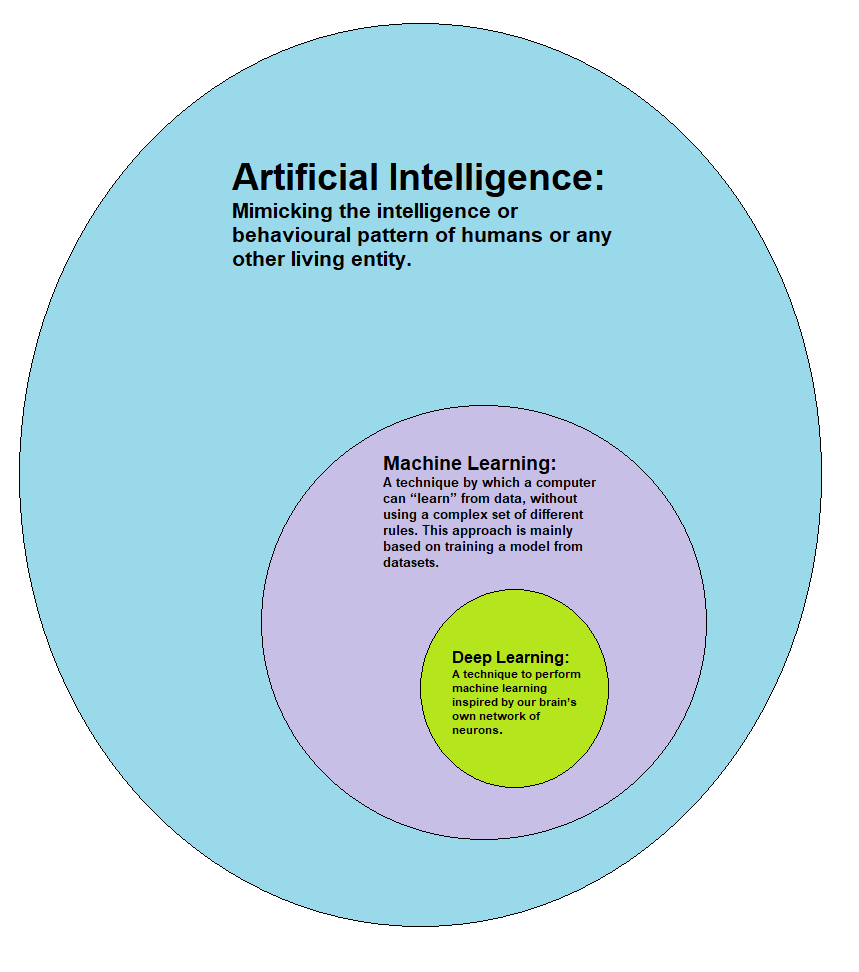
This ability to predict what comes next is surprisingly powerful. It’s what enables an LLM to do everything from writing an email to explaining a complex scientific topic or even generating computer code. Their significance lies in making human-computer interaction more natural and intuitive than ever before. Instead of clicking buttons or using rigid commands, we can now simply ask for what we want in plain language.
A Brief History
The journey to today's LLMs began decades ago with much simpler approaches to language. Early systems relied on hand-written rules created by linguists. For example, a program might have a rule that says "a noun often follows an adjective." These systems were clever but brittle; they broke down when faced with the messy, unpredictable nature of real human language.
Later, statistical methods like n-grams came into play. These models looked at sequences of words (like a 2-word or 3-word phrase) to calculate the probability of the next word. It was an improvement, but they lacked a deeper understanding of long-range context. They might know that "New York" is a common pair, but struggle to connect the beginning of a long paragraph to its end.
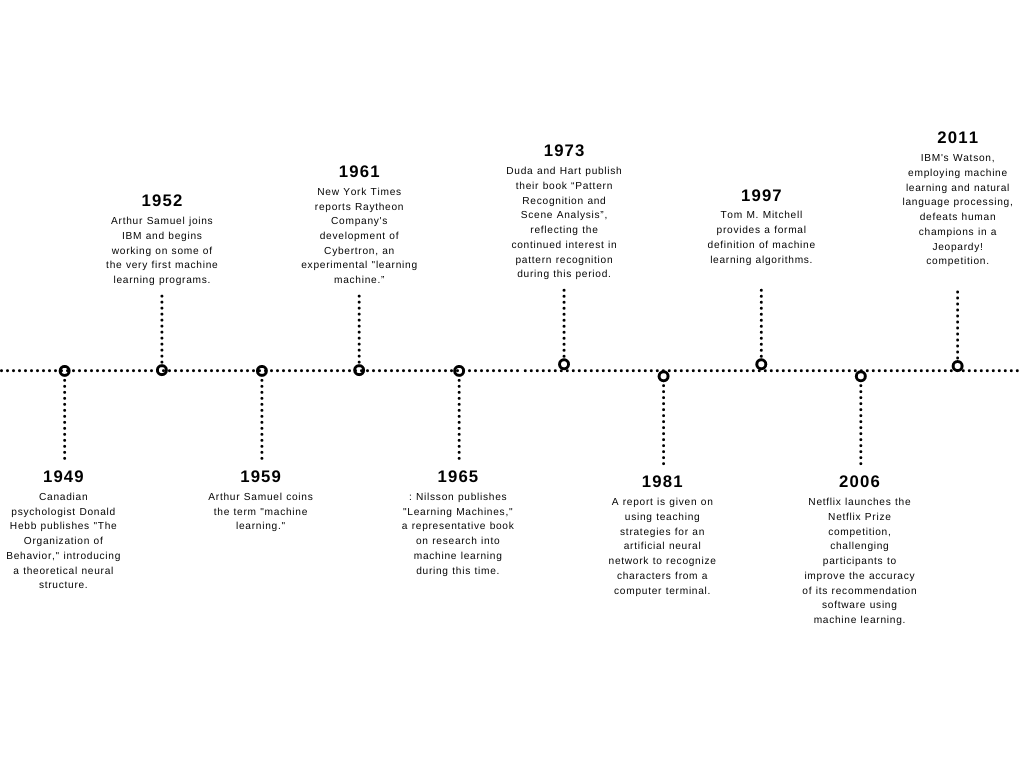
The real breakthrough came with the development of deep learning and a specific architecture called the Transformer, introduced in 2017. This new model design was incredibly effective at handling sequential data like text, allowing it to weigh the importance of different words in a sentence, no matter how far apart they were. This ability to grasp long-range dependencies was the missing piece of the puzzle.
From there, researchers began to scale up. By feeding these Transformer-based models more data and increasing their size, their capabilities grew exponentially, leading to the powerful and versatile LLMs we have today.
What Can LLMs Do?
Because they are trained on such a diverse range of text, LLMs are incredibly versatile. They aren't designed for just one task but can be applied to a wide array of problems across many different fields. Their abilities generally fall into a few key categories.
| Application Area | Example Use Cases |
|---|---|
| Content Creation | Writing emails, drafting articles, generating marketing copy, creating social media posts. |
| Information Synthesis | Summarizing long reports, answering complex questions, explaining topics in simple terms. |
| Software Development | Generating code snippets, debugging errors, translating code between programming languages. |
| Creative Work | Writing poetry, composing song lyrics, brainstorming ideas, helping to write scripts. |
| Customer Service | Powering intelligent chatbots and virtual assistants to answer user questions instantly. |
These applications are just the beginning. As the technology continues to evolve, LLMs are being integrated into more and more tools, changing how we work, learn, and create.
What does the "large" in Large Language Model primarily refer to?
What is the core capability that allows an LLM to perform such a wide variety of tasks like writing emails and explaining complex topics?