Unmasking UX Dark Patterns
Introduction to Dark Patterns
Designs That Deceive
Have you ever tried to cancel a subscription, only to find yourself in a maze of confusing menus? Or maybe you've signed up for a service and later discovered you were opted into marketing emails by default. If an interface has ever felt like it was tricking you, you've likely encountered a dark pattern.
Dark patterns are design choices that deliberately manipulate users into making decisions that benefit the business, often at the user’s expense.
These aren't design mistakes or bugs. They are carefully crafted features based on an understanding of human psychology. Their goal is to make you do things you might not have done otherwise, like buying more, signing up for something, or giving away your data.
The term "dark patterns" was coined in 2010 by UX designer Harry Brignull. He started cataloging these deceptive practices to raise awareness among designers and consumers. The core issue is that they prioritize business goals over the user's interests, creating a conflict.
The Ethics of Influence
Good user experience (UX) design is about making technology easy and enjoyable to use. It's meant to be a helpful guide. Dark patterns, however, turn that guidance into manipulation. Instead of helping users achieve their goals, they exploit cognitive biases to push them toward a business goal.
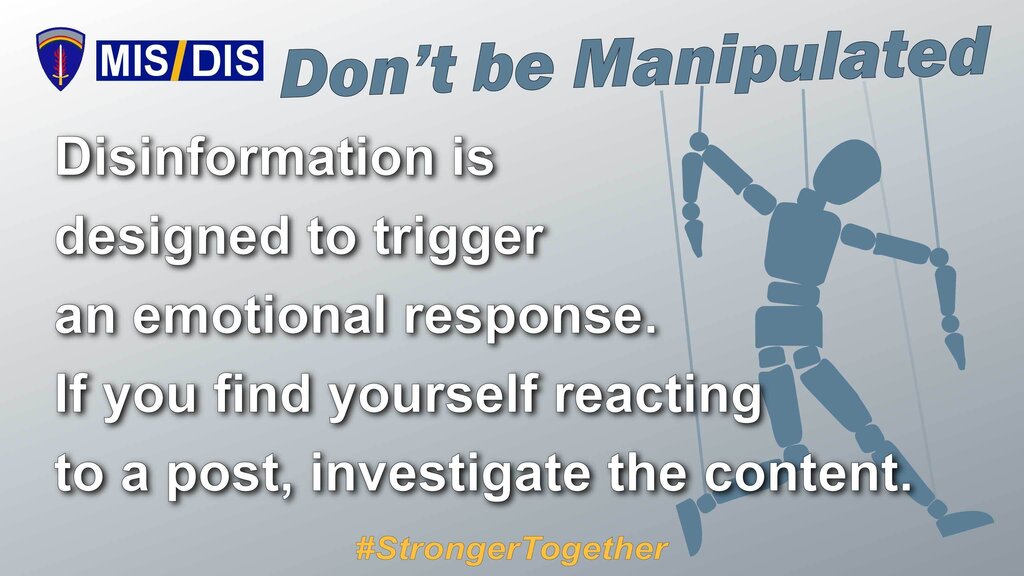
This raises serious ethical questions. Is it right to trick someone into a purchase? Or to make canceling a service so difficult that they just give up? While a company might see a short-term boost in sales or sign-ups, there's a significant long-term cost.
The High Cost of Lost Trust
The biggest casualty of dark patterns is trust. When users feel deceived, they lose confidence in the brand. That feeling of being tricked sticks around long after they've navigated the confusing interface.
A user might click the wrong button once, but they won't forget the experience. In the long run, this can lead to customer churn, negative reviews, and a damaged reputation. Ethical design, which is transparent and respects the user's autonomy, is what builds lasting customer loyalty.
Good design empowers users by making things clear. Dark patterns disempower them through confusion and deception.
Now, let's review the key ideas we've covered.
Ready to check your understanding?
What is the primary purpose of a 'dark pattern' in user interface design?
True or False: Dark patterns are generally considered an effective strategy for building long-term customer trust and loyalty.
Recognizing the principles behind dark patterns is the first step toward promoting more ethical and user-friendly design across the web.