Unmasking UX Dark Patterns
Introduction to Dark Patterns
What Are Dark Patterns?
Have you ever tried to unsubscribe from an email list, only to find yourself navigating a maze of confusing options and buttons? Or maybe you've signed up for a free trial and later discovered it was nearly impossible to cancel. These aren't accidents or bad design. They are often intentional choices.
Dark patterns are user interfaces and experiences, like those found in websites and apps, that are deliberately (a.k.a. very much on purpose!) designed to trick the user into doing certain things, like signing up inadvertently for extra “insurance” when they buy an experience, or camouflaged ads that don’t look like ads so that the user clicks on them.
In short, dark patterns are tricks used in websites and apps to make you do things you didn't mean to, like buying or signing up for something. They exploit common user behaviors and psychological principles to prioritize business goals over your best interests. Instead of helping you achieve your goal, the design guides you toward the company's goal.
A Brief History
The term "dark pattern" isn't new. It was coined in 2010 by UX designer Harry Brignull. He started cataloging these deceptive practices to raise awareness among designers and consumers. Brignull recognized that while many designers strive to create clear and helpful experiences, others were using their skills to manipulate users.
His work created a vocabulary for discussing these manipulative techniques, allowing people to identify and call them out. The concept quickly gained traction as more people became aware of how interfaces could be designed to mislead them.
The Ethical Line
Good user experience (UX) design is about empathy. It's about understanding a user's needs and creating a product that is easy, efficient, and pleasant to use. It builds trust between the user and the company.
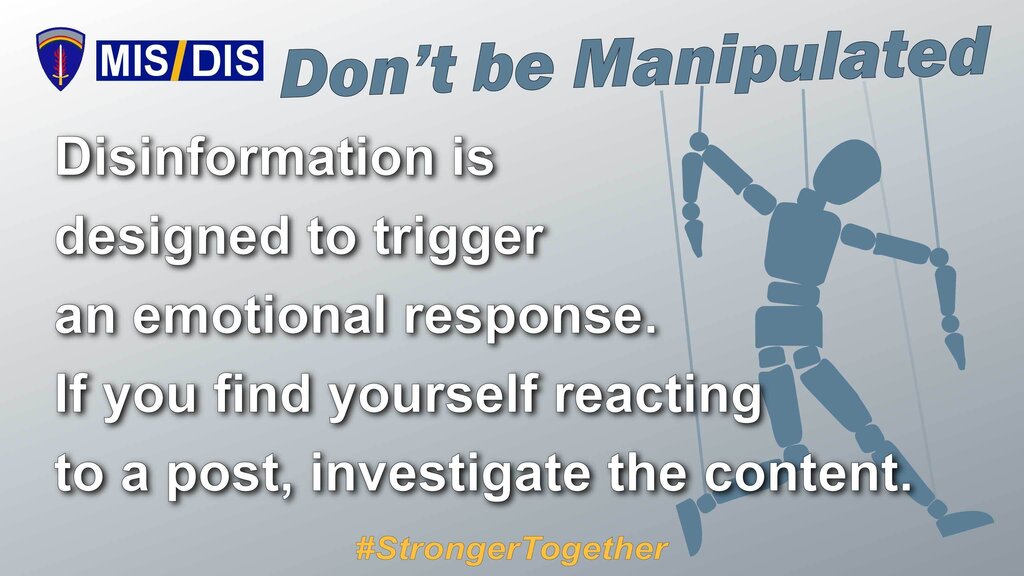
Dark patterns do the opposite. They erode trust by intentionally creating frustrating or misleading experiences. This raises a significant ethical question for designers and businesses: Where is the line between persuasion and manipulation?
While a persuasive design might highlight the benefits of a premium subscription, a manipulative one might make the button to continue with the free version almost invisible. Persuasion helps users make an informed choice; manipulation tricks them into a choice they might not have made otherwise.
The use of dark patterns puts short-term business gains, like increased sign-ups or sales, ahead of a long-term user relationship built on trust. As awareness grows, these practices are facing more scrutiny from both the public and regulators, leading to calls for more transparent and fair design standards.
Let's check your understanding of these core concepts.
What is the primary purpose of a dark pattern in user interface design?
Who coined the term "dark pattern" and began to formally identify and categorize these practices?
Now that you can define dark patterns and understand their ethical implications, you're ready to learn how to spot them in the wild. Next, we'll explore the most common types of dark patterns.