Unmasking Media Bias
Understanding Media Bias
What is Media Bias?
Media bias isn't the same as fake news. It's more subtle. Bias refers to how news outlets select, frame, and present stories. It's the perspective or slant that can influence how you interpret information. Think of it like two friends describing the same movie. One might focus on the amazing special effects, while the other talks about the slow plot. Neither is lying, but they're giving you very different impressions of the film.
Every news source has some form of bias, whether it's intentional or not. It can stem from the journalists' personal views, the outlet's business interests, or the intended audience. The goal isn't to find a source with zero bias, but to recognize the biases that exist so you can form a more complete picture.
Media bias can be defined as the bias of journalists and news producers within the mass media in selecting and covering numerous events and stories.
Common Types of Bias
Bias shows up in a few key ways. Once you know what to look for, you'll start seeing it everywhere. Two of the most common types are selection bias and presentation bias.
Selection Bias
noun
The choice to report on certain stories while ignoring others. This is sometimes called "agenda-setting" because it influences what topics the public thinks are important.
Presentation bias is about how a story is told. It's not about which stories get picked, but the details, language, and tone used within them. This can be more difficult to spot.
For example, describing a protest as a "demonstration" has a different feel than calling it a "riot." Both words might be technically accurate, but they carry different emotional weight and suggest different things about the participants.
Another form of presentation bias is framing. This is when a story is positioned to emphasize certain aspects over others. A report on a new tax policy could be framed around its potential to stimulate the economy or, alternatively, around the burden it places on low-income families. Both frames might be valid, but they lead the audience to different conclusions.
Why Media Literacy Matters
Media literacy is the ability to access, analyze, and evaluate information from different sources. It’s a critical skill for navigating today's complex information landscape. Being media literate means you don't just consume news passively; you engage with it critically.
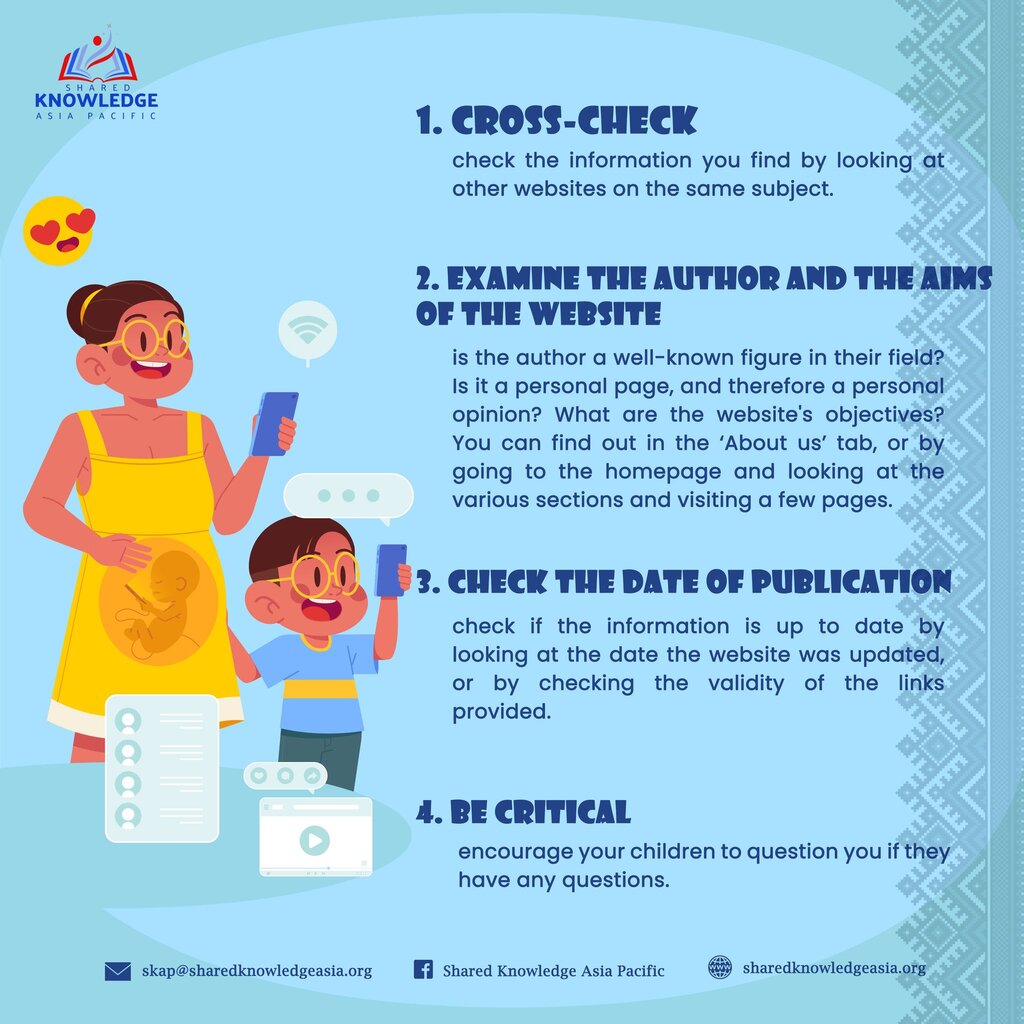
When you practice media literacy, you start asking important questions:
- Who created this message, and what is their purpose?
- What techniques are being used to attract my attention?
- Whose voices are being heard, and whose are being left out?
- How might different people interpret this message differently?
Answering these questions helps you identify bias and understand its potential impact. Media bias shapes public perception by influencing what we think about and how we think about it. By consistently showing certain groups in a negative light or by only covering one side of a political debate, the media can sway opinions and reinforce stereotypes over time.
By becoming aware of how and why bias in journalism happens, readers can make more informed decisions and think critically about the media they consume.
Developing media literacy empowers you to look beyond a single headline or story. It encourages you to seek out multiple sources and piece together a more nuanced and complete understanding of the world.
Ready to test your knowledge?
Which of the following best defines media bias?
The ultimate goal of media literacy is to find a news source with zero bias.
By learning to spot bias, you can become a more informed and discerning news consumer.