Unmasking Media Bias
Understanding Media Bias
What Shapes the News?
Have you ever noticed how two different news channels can report on the exact same event in wildly different ways? One might focus on the economic impact, another on the human-interest story. This isn't just about different reporting styles; it's often a result of media bias.
Media bias
noun
The tendency of journalists and news organizations to select, frame, and report events and stories from a particular perspective.
Media bias is the slant that news outlets put on their reporting. It’s not always a conscious choice to mislead. More often, it stems from the perspectives of the journalists, the values of the news organization, or the expectations of its audience. Think of it like a filter. The events of the world pass through this filter, and what comes out is a version of the story that's been shaped by it.
Why It Matters
The way a story is told influences what we think and how we feel about it. Media bias can highlight certain facts while ignoring others. It can use language that frames a person as a “freedom fighter” in one report and a “terrorist” in another. This shaping of information has a powerful effect on public perception.
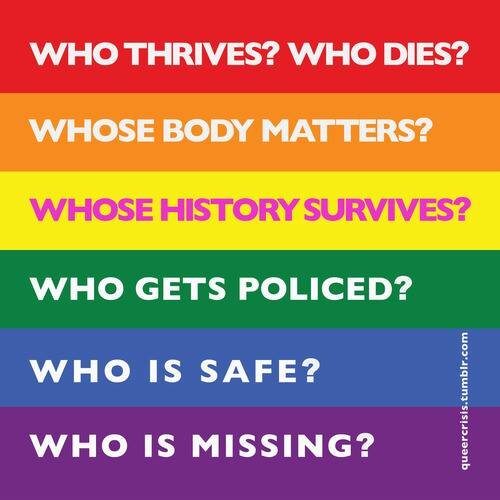
Media have tremendous power in shaping political and cultural narratives—telling us what and who matters, why things are as they are and what it would mean to change them.
When media outlets consistently present a biased view, they can create a skewed reality for their audience. Over time, this can reinforce existing beliefs, deepen social divides, and make it difficult for people to understand opposing viewpoints. It affects how we see the world and our place in it.
Bias and Democracy
A healthy democracy relies on citizens having access to reliable, objective information. They need it to make informed decisions about who to vote for and what policies to support. Widespread media bias can disrupt this process.
If people are only exposed to news that confirms their own views, it can create echo chambers where different segments of the population are operating with completely different sets of facts. This can lead to increased political polarization and an erosion of trust in democratic institutions, including the press itself.
The Role of Media Literacy
So, what can we do? The key is developing media literacy. This is the ability to access, analyze, and evaluate information from various sources. It's about becoming a more critical consumer of news.
Being media literate doesn't mean finding news that is completely free of bias. It means learning to recognize bias when you see it and understanding how it affects the story.
By understanding that all sources have a potential for bias, you can start to piece together a more complete picture. It empowers you to think for yourself, question the narratives presented to you, and engage more thoughtfully with the world. This is a crucial skill in today's information-rich environment.
According to the text, what is the best description of media bias?
Which of the following is described as a significant consequence of widespread media bias for a democracy?