Unmasking Media Bias
Understanding Media Bias
What is Media Bias?
Media bias is the tendency of journalists and news outlets to present stories from a particular perspective. It doesn't necessarily mean they are lying. Instead, it’s about the choices they make: which stories to cover, which facts to highlight, which sources to quote, and what language to use.
Think of it like two people describing the same party. One might focus on the great music and dancing, calling it the best night ever. The other might talk about how crowded it was and how long they waited for a drink, calling it a disaster. Both are telling their version of the truth, but their perspectives create very different pictures of the same event. Media outlets do this, too, shaping our understanding of the world.
Media bias can be defined as the bias of journalists and news producers within the mass media in selecting and covering numerous events and stories.
This bias isn't always intentional. Every person, including every journalist, has unique experiences and beliefs that shape how they see things. But sometimes, bias is driven by outside forces.
Why Does Bias Happen?
Several factors contribute to media bias. A primary one is that news organizations are often businesses with financial goals. The need to attract and retain an audience can influence editorial decisions.
Another key factor is ownership. A media outlet's parent company or major advertisers can have specific interests or political leanings. This might lead to favorable coverage of certain topics or industries and less critical reporting on others.
Finally, the journalists themselves bring their own perspectives. While professional standards call for objectivity, a reporter's background and personal views can unintentionally color their work. The pressure of the 24-hour news cycle also means stories are often produced quickly, leaving little time for deep, multi-faceted investigation.
Common Types of Bias
Bias can show up in a few common ways. Recognizing them is the first step to becoming a more critical news consumer.
Political Bias
noun
This is when a news outlet seems to favor a particular political party, candidate, or ideology. It can be seen in positive coverage for one side and negative framing for the other. For example, an article might describe a politician as a "strong leader" while labeling their opponent a "rigid partisan," even when they take similar actions.
Another prevalent form is corporate bias.
Corporate bias occurs when the business interests of a media outlet's owners or advertisers influence the news. An outlet might avoid negative stories about a company that buys a lot of ad space, or it might promote industries that its parent company has a stake in.
Then there's sensationalism. This is the media's tendency to favor the dramatic and exceptional over the everyday. Stories are often presented in a way that provokes a strong emotional reaction, like fear or excitement, to capture attention.
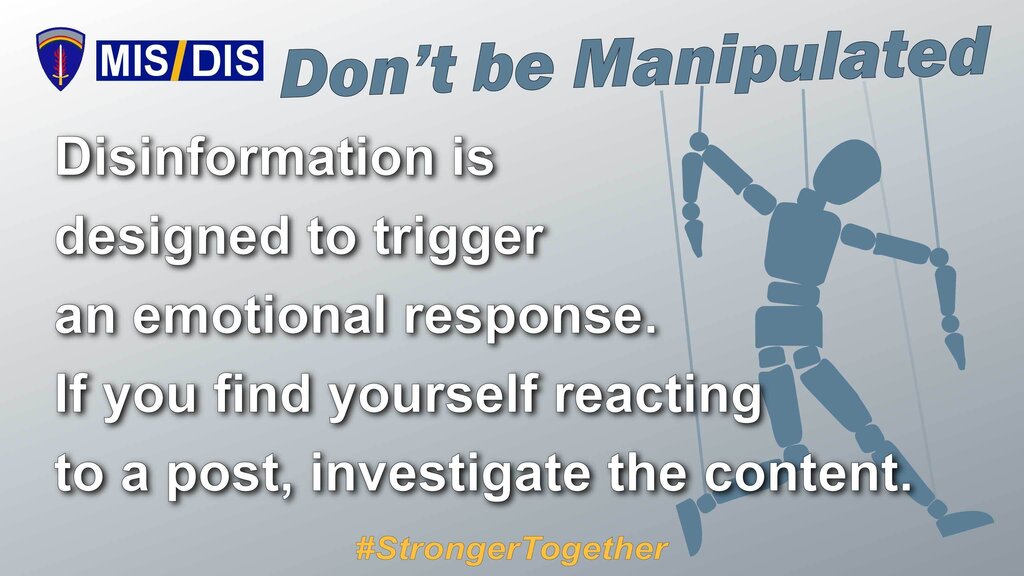
You see this in headlines that use alarming language or in news reports that focus on the most shocking aspects of a story. The old newsroom saying, "if it bleeds, it leads," is a perfect summary of sensationalism in action. The goal is to make the news as compelling as possible, sometimes at the expense of context and accuracy.
Why It Matters
Media bias has a powerful impact on how we see the world. The stories we consume shape our opinions about politics, our communities, and even our neighbors. When reporting is skewed, it can polarize public opinion and make it harder for people to find common ground.
Public opinion is shaped by the information news media provide, and that information in turn may be shaped by the ideological preferences of media outlets.
A biased view of events can lead to a misinformed public, where decisions are based on emotion or incomplete information rather than a full understanding of the facts. Recognizing that bias exists is not about distrusting all media, but about approaching the news with a healthy dose of curiosity and a desire to see the whole picture.
Now, let's test your understanding of these concepts.
Which of the following is the best definition of media bias?
A news channel repeatedly airs dramatic footage of a local protest, focusing on a few heated confrontations while ignoring the hours of peaceful demonstration. This is a primary example of:
Next, you will have a chance to analyze media bias.