Unmasking Media Bias
Understanding Media Bias
The Unseen Filter
Every news story you read, watch, or listen to passes through a filter. This filter isn't a physical object, but a collection of choices made by journalists, editors, and producers. They decide which stories to cover, which facts to include, which experts to quote, and what language to use. When these choices consistently favor one particular viewpoint or perspective, that's media bias.
Media bias can be defined as the bias of journalists and news producers within the mass media in selecting and covering numerous events and stories (Gentzkow et al. 2015).
Bias isn't always intentional or malicious. It can stem from the unconscious beliefs of a reporter, the financial interests of a media company, or the simple need to tell a compelling story under a tight deadline. The result, however, is the same: the audience receives a version of reality that is tilted, even if only slightly.
Forms of Bias
Media bias isn't a single, simple thing. It appears in many forms, some more obvious than others. Understanding these types helps you see how a story might be shaped before it ever reaches you.
Let's break these down.
Bias by Omission: Sometimes, what isn't said is most important. A news report about a protest might focus entirely on instances of vandalism while leaving out the reasons for the protest or the fact that the vast majority of participants were peaceful. By omitting key facts, the story creates a skewed impression.
Bias by Placement: Where a story appears influences how important we think it is. A story on the front page, or at the top of a newscast, feels significant. A story buried on page 20 or mentioned briefly at the end of a broadcast seems less so. Media outlets can downplay or emphasize events simply through placement.
Bias by Framing: This is how a story is packaged. Imagine a new tax proposal. One outlet might frame it as "Tax Relief for Families," focusing on the benefits. Another might frame it as "Budget Cuts for Essential Services," focusing on the consequences. The facts might be the same, but the frame changes how you feel about them.
Bias by Tone: The words used to describe people and events carry enormous weight. Are protestors described as "pro-freedom demonstrators" or an "unruly mob"? Is a politician's statement "firm" or "aggressive"? The choice of adjectives and verbs can reveal a reporter's or outlet's underlying perspective.
Shaping What We Think
The constant, subtle influence of media bias shapes more than just our understanding of a single news story. It shapes our perception of the world. By consistently highlighting certain issues while ignoring others, the media sets the public agenda, telling us what we should be thinking about.
When a particular perspective is presented over and over, it can start to feel like the only perspective. This is how public opinion is molded over time.
This impact is magnified by our own confirmation bias, the natural human tendency to seek out and favor information that confirms what we already believe. If we already lean a certain way, we're more likely to consume media that shares our bias, creating an echo chamber where our views are reinforced and rarely challenged. This can make it difficult to understand people with different viewpoints and can contribute to social and political polarization.
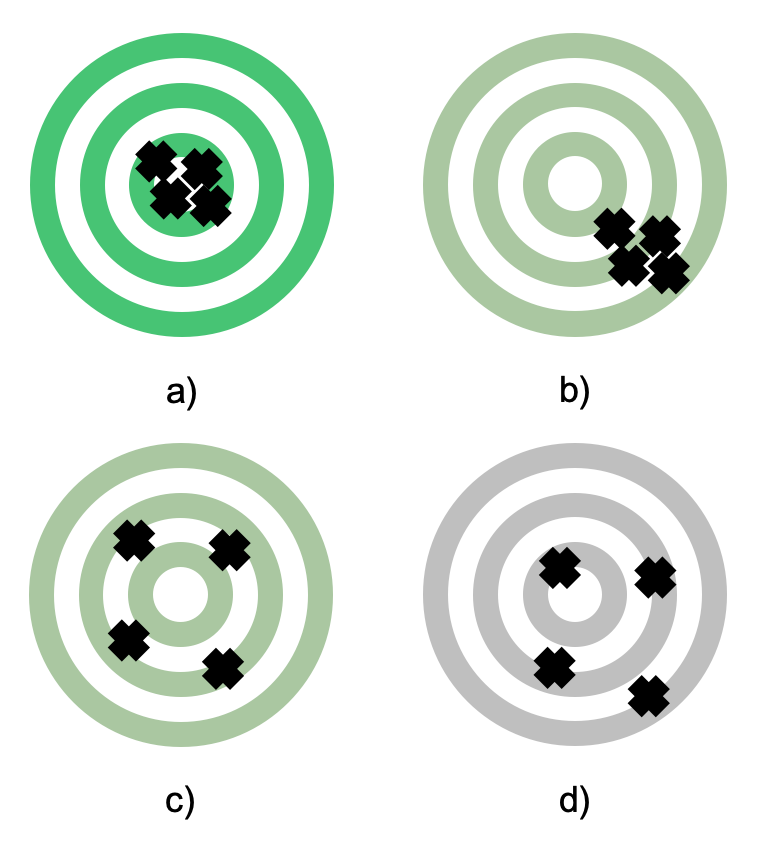
Recognizing bias is the first step toward breaking out of this cycle. It isn't about finding a perfectly "unbiased" source, because one may not exist. Every source is run by humans with their own experiences and perspectives. Instead, the goal is to become a critical consumer of information. By understanding how a story is being filtered, you can begin to see the bigger picture more clearly.
Time to check your understanding of these concepts.
A news report about a protest focuses entirely on instances of vandalism while leaving out the reasons for the protest. This is a primary example of which type of bias?
Which of the following headlines best demonstrates 'Bias by Framing'?
Becoming aware of media bias empowers you to look beyond the headlines and think for yourself. It's a crucial skill for navigating our complex, information-rich world.