Unmasking Dark UX Patterns
Introduction to Dark Patterns
Designs That Deceive
Have you ever tried to unsubscribe from an email list, only to find yourself clicking through a maze of confusing options? Or maybe you've signed up for a free trial and later discovered it was nearly impossible to cancel. These experiences aren't accidents. They are often the result of carefully crafted design choices.
A dark pattern is a deceptive user experience that takes advantage of the way people habitually use websites and apps in order to get users to do something they didn’t intend to.
These manipulative designs are called "dark patterns." They are features in a user interface (UI) that are designed to trick users into doing things they might not want to do, like buying something extra or giving away more personal data than they intended.
dark pattern
noun
A user interface that has been carefully crafted to trick users into doing things, such as buying insurance with their purchase or signing up for recurring bills.
A Brief History
The concept isn't new, but it was given a name in 2010 by a London-based UX designer named Harry Brignull. He started cataloging these deceptive practices to raise awareness among consumers and designers. The goal was to shame companies that used them and to give designers a clear vocabulary to push back against unethical requests.
While manipulative sales tactics have existed for centuries, the digital world makes them easier to implement on a massive scale. A single design choice on a popular website can influence the behavior of millions of people instantly. This scalability is what makes dark patterns particularly powerful and dangerous.
The Ethical Problem
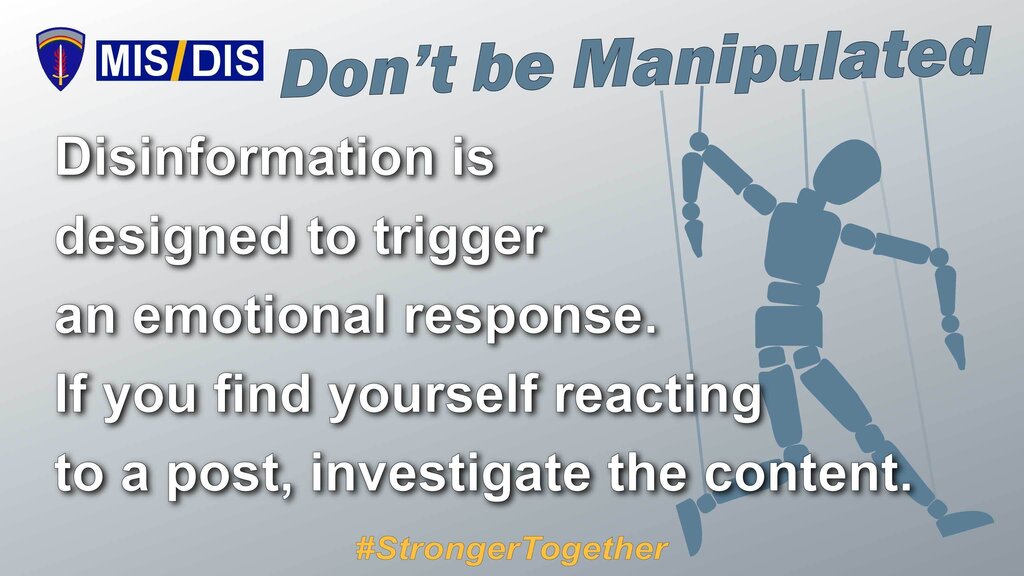
At its core, the use of dark patterns is an ethical issue. Good design should empower users by giving them clear choices and control over their experience. Dark patterns do the opposite. They exploit cognitive biases, such as our tendency to skim text or follow the most visually prominent path, to achieve a business goal at the user's expense.
This creates a fundamental conflict of interest. A company's desire for more sign-ups or higher sales is placed above the user's right to make informed decisions. When users realize they've been misled, it erodes trust. A user who feels tricked is unlikely to become a loyal, long-term customer.
Ethical design, on the other hand, focuses on transparency and respect for the user. It builds a relationship based on trust, which is far more valuable in the long run than any short-term gain from a deceptive design trick.
The main problem with dark patterns is that they subvert user autonomy. They take away a person's ability to make a clear, uncoerced choice.
Understanding what dark patterns are is the first step toward recognizing them in the wild. By being aware of these manipulative techniques, you can make more informed choices as you navigate the digital world.