Unmasking Dark UX Patterns
Introduction to Dark Patterns
What Are Dark Patterns?
Have you ever tried to unsubscribe from an email list, only to find the “unsubscribe” link nearly impossible to find? Or maybe you've signed up for a free trial and later discovered you were automatically enrolled in a paid subscription that's incredibly difficult to cancel. These aren't accidents or bad design. They're often intentional choices.
These deceptive tricks are known as dark patterns. They are features in a user interface (UI) crafted to mislead users into taking actions they wouldn't normally choose, benefiting the business at the user's expense.
The term was coined in 2010 by user experience (UX) specialist Harry Brignull. He noticed a growing trend of websites and apps using design to exploit human psychology for commercial gain. By giving these manipulative practices a name, he made them easier to identify, discuss, and challenge.
Ethical and Legal Lines
Good design should empower users, making their interactions clear, easy, and honest. Dark patterns do the opposite. They erode trust between a company and its customers by creating frustrating and manipulative experiences.
While some might argue these are just aggressive marketing tactics, the ethical line is crossed when design intentionally deceives or corners a user. This approach prioritizes short-term gains, like a temporary boost in sign-ups or sales, over long-term user loyalty and brand reputation.
Avoiding dark patterns in UX design is essential to build trust, foster positive user experiences, and uphold ethical design principles.
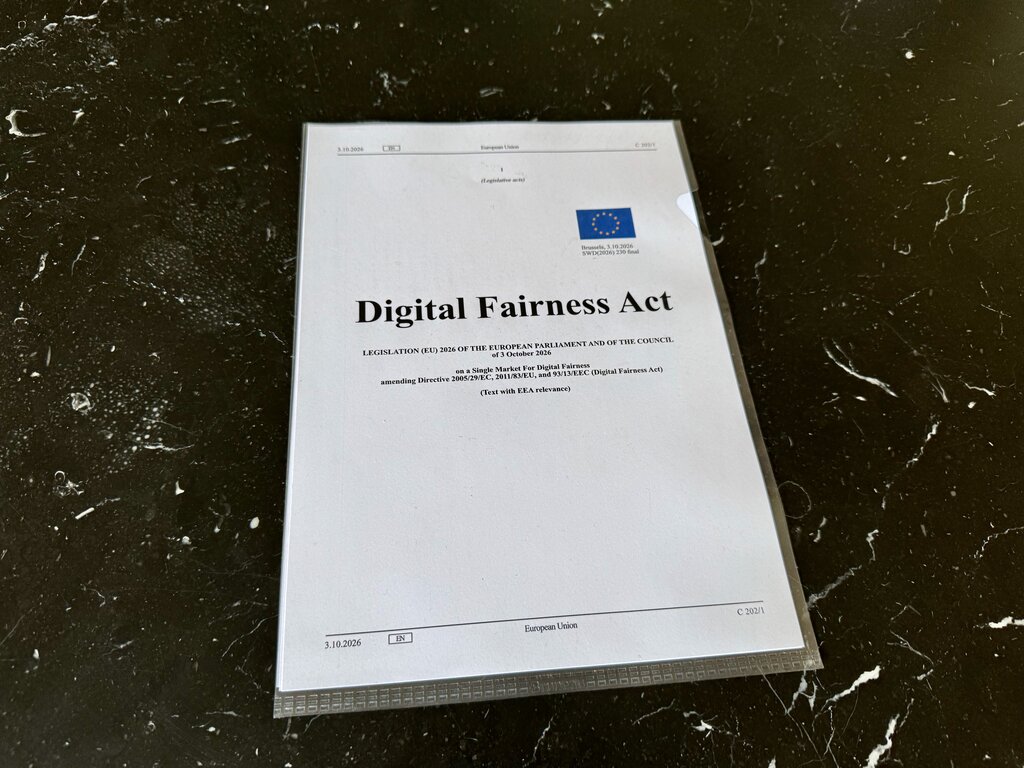
The consequences aren't just ethical. As awareness has grown, so has regulatory scrutiny. Governments and consumer protection agencies are beginning to take action against deceptive digital practices. Companies that rely on dark patterns now face the risk of legal penalties, including fines and lawsuits, for violating consumer rights.
Understanding what dark patterns are is the first step toward recognizing them. For designers and developers, it's a call to build more transparent and user-centric products. For users, it's a tool to navigate the digital world more consciously and protect ourselves from manipulation.
What is the primary motivation behind the use of "dark patterns" in web and app design?
The term "dark patterns" was coined in 2010 by user experience specialist Harry Brignull.
Being able to spot these manipulative designs is a crucial skill for navigating the modern web.