Unlocking Your Natal Chart
Introduction to Astrology
A Map of the Sky
Astrology is the study of patterns and relationships between celestial bodies and life on Earth. Think of it as a symbolic language. For thousands of years, humans have looked to the sky to find meaning, from ancient Mesopotamians tracking planetary movements to Greek philosophers blending it with mythology.
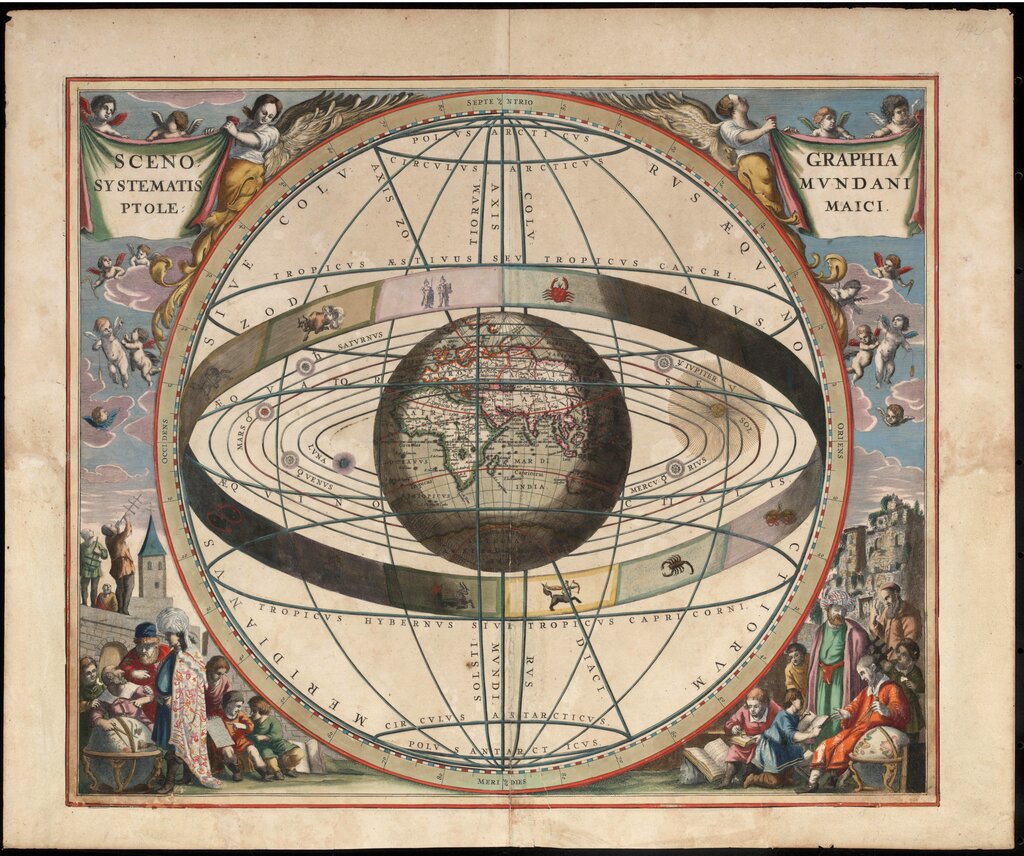
This ancient practice wasn’t just about predicting the future. It was a practical tool. Farmers used it to time their planting, doctors linked it to health, and rulers consulted it for guidance. It provided a framework for understanding one's place in a vast, interconnected cosmos.
Astrology has woven itself into human history as a guiding force, influencing civilizations and cultures from ancient times to the modern world.
Today, many people turn to astrology not for rigid predictions, but for self-discovery. It offers a vocabulary to describe personal strengths, challenges, and the cycles of life, acting as a mirror to our inner world.
Your Cosmic Blueprint
The cornerstone of personal astrology is the natal chart, also known as a birth chart. It’s a snapshot of the sky at the precise moment and location of your birth. This chart is a personal map, unique to you.
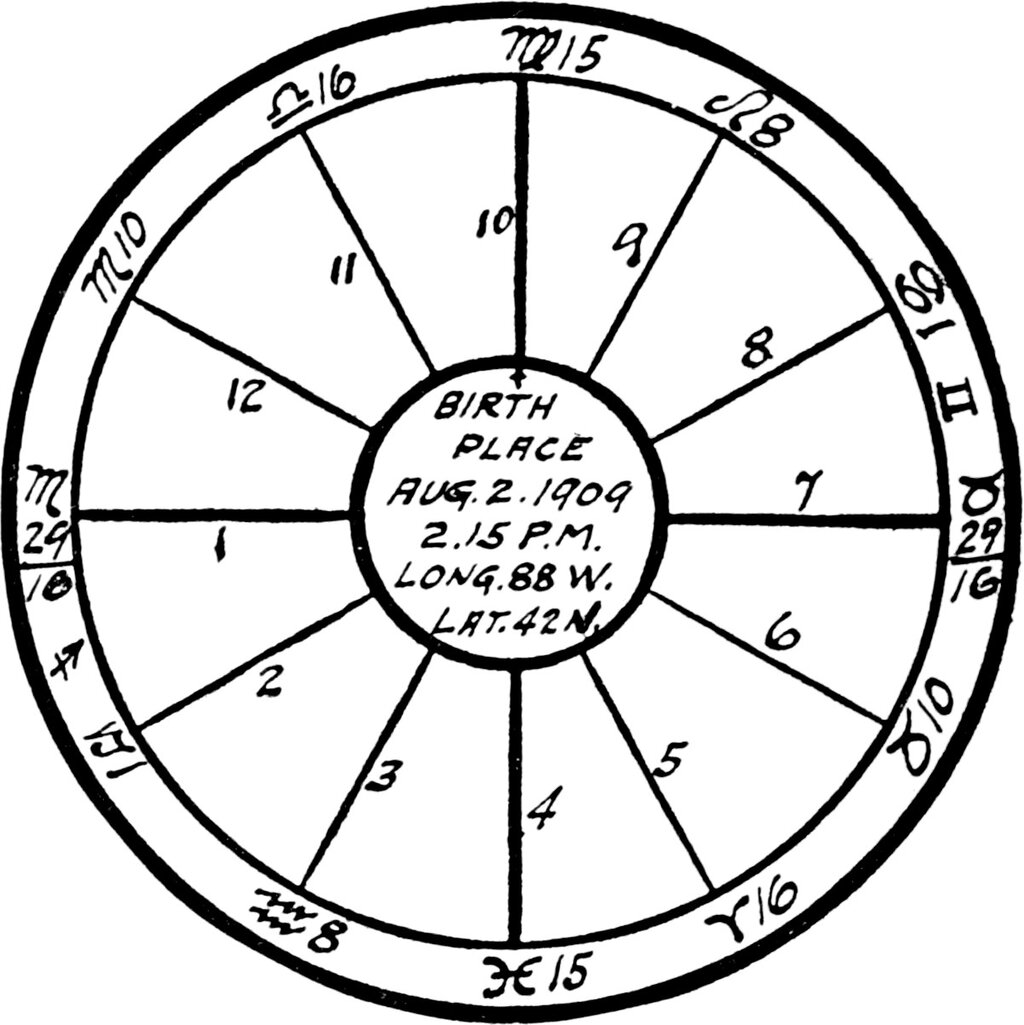
A birth chart has a few key components. To understand it, we can use a simple analogy of a play.
First, there are the Planets. These are the actors in your play, representing different drives and parts of your psyche. For example, the Sun represents your core identity, while the Moon relates to your emotions.
Next are the Zodiac Signs. These are the roles the actors play, or the costumes they wear. A planet in a certain sign will express its energy in a particular style. Mars (action) in Aries (bold) behaves differently than Mars in Libra (harmonious).
Finally, there are the Houses. These twelve segments of the chart are the stages or areas of life where the action takes place. One house might represent your career, another your relationships, and a third your home life.
The relationships between the planets, called aspects, add another layer of detail, showing how these different parts of you work together.
The most important thing is to learn the fundamentals in the four-fold system: planets, signs, houses, and aspects.
Here is a simple breakdown:
| Component | Role in the Chart | Analogy |
|---|---|---|
| Planets | The core energies and drives | The Actors |
| Zodiac Signs | How the energies are expressed | The Roles/Costumes |
| Houses | The areas of life affected | The Stage/Setting |
A Tool for Self-Discovery
Astrology doesn't dictate your fate. Instead, it offers a lens through which to view your life's potential. Understanding your natal chart can provide insights into your personality, motivations, and natural inclinations.
It can help you recognize patterns in your life, appreciate your unique strengths, and approach your challenges with greater awareness. Think of it less as a set of rules and more as a guidebook for navigating your personal journey.
By understanding your astrological makeup, you can learn to work with your energies rather than against them.
For example, knowing you have a lot of energy in a house related to communication might encourage you to pursue public speaking or writing. Seeing a challenging aspect between two planets might help you understand a recurring internal conflict. The goal is self-awareness, which is the first step toward personal growth.
Ready to check your understanding? Let's review what we've covered.
What is the primary modern use of astrology, as described in the text?
A natal chart is a snapshot of the sky at the exact moment and location of a person's birth.
By learning the language of the cosmos, you can gain a deeper understanding of the most complex subject of all: yourself.