Unlocking Your Full Potential
Understanding Self-Improvement
What is Self-Improvement?
Self-improvement is the conscious effort to become a better version of yourself. It’s not about fixing something that’s broken, but about nurturing your potential. Think of it as a journey of growth, covering everything from your career and skills to your relationships and well-being. It’s the process of identifying your strengths, acknowledging your weaknesses, and taking intentional steps to evolve.
This journey is deeply personal. For one person, it might mean learning a new language. For another, it could be about becoming a more patient parent or a more effective leader. The core idea is the same: a commitment to continuous learning and personal development. It’s about moving forward, not standing still.
Self-improvement is less of a destination and more of a mindset. It's the belief that you can always learn, grow, and adapt.
The Drive to Grow
Why are humans so drawn to self-improvement? The drive is fundamental to our psychology. One of the most famous explanations comes from psychologist Abraham Maslow and his hierarchy of needs.
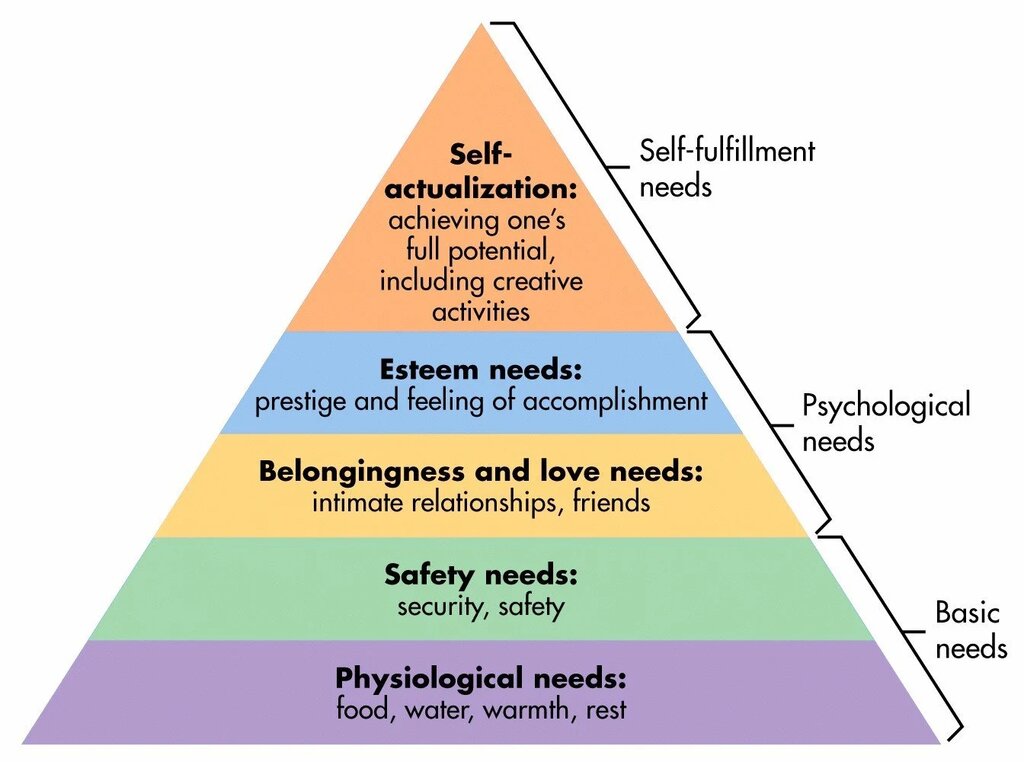
Maslow suggested that we have layers of needs, starting with the most basic, like food and safety. Once those are met, we seek to fulfill higher-level needs like belonging and esteem. At the very top of the pyramid is self-actualization. This is the desire to realize your full potential and become the best you can be. Self-improvement is the engine of self-actualization.
The field of positive psychology also sheds light on our drive to grow. Instead of focusing on what's wrong with people, positive psychology studies what makes life fulfilling. It explores concepts like happiness, resilience, and personal strengths.
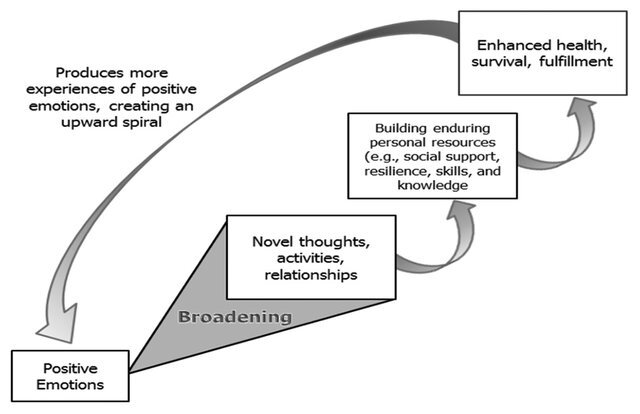
This perspective frames self-improvement not as a way to fix deficits, but as a path to flourishing. It encourages us to build on our strengths and cultivate positive emotions, which in turn broadens our mindset and helps us build new skills and resources for the future.
The Payoff of Personal Growth
Committing to continuous personal development yields powerful benefits that ripple through every area of life. One of the most significant is increased resilience. As you learn and adapt, you become better equipped to handle challenges and bounce back from setbacks. You develop a stronger sense of self-awareness, understanding your own emotions and motivations more clearly.
This journey also enhances your relationships. When you work on yourself, you often become more empathetic and a better communicator. Personal growth can lead to improved well-being, as you learn to manage stress, cultivate a positive outlook, and live in a way that aligns with your values.
Learning and development form the foundation of personal growth and progress across various domains of life.
Professionally, the benefits are clear. A commitment to growth keeps your skills relevant and opens doors to new opportunities. But perhaps the greatest benefit is a deeper sense of purpose and fulfillment that comes from knowing you are actively shaping the person you want to become.
Now, let's test what you've learned about the foundations of self-improvement.
According to the text, what is the core concept of self-improvement?
In Abraham Maslow's hierarchy of needs, self-improvement is most closely linked to the concept of ______.
Understanding why we seek growth is the first step. By recognizing the psychological drivers and the profound benefits, you can approach your own development with greater intention and clarity.