Unlocking Your Dream World
Introduction to Dreaming
The World Behind Our Eyes
Dreams are the stories our minds tell while we sleep. They're a familiar part of life, yet they can feel utterly strange. A dream can be vivid, emotional, and jumbled, often weaving together people, places, and events in ways that defy logic. This mental theatre is a universal human experience, but what exactly is happening in our bodies and brains when we dream?
Dream
noun
A series of thoughts, images, and sensations occurring in a person's mind during sleep.
While we tend to think of sleep as a single, passive state, it's actually a dynamic cycle through different stages. We move between non-rapid eye movement (NREM) sleep, which has three phases, and rapid eye movement (REM) sleep. This cycle repeats several times a night.
Sleep Stages and Dreaming
Dreaming can happen at any point during sleep, but the dreams we remember most clearly—the ones with intricate plots and intense emotions—are typically born during REM sleep. Dreams in NREM stages are often more like fleeting thoughts or single images, less story-like and harder to recall.
Most dreaming occurs in REM sleep.
As the night progresses, the duration of REM stages increases. This is why you might wake up from a particularly long and detailed dream in the morning, as you were likely in your longest REM period of the night.
The Body in a Dream State
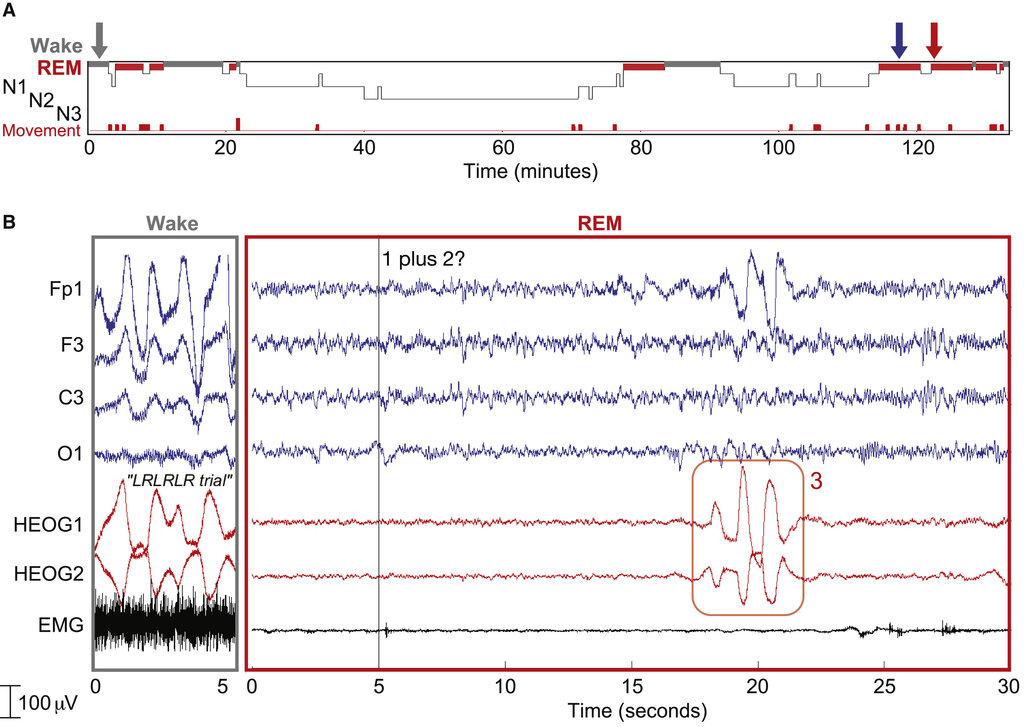
During REM sleep, the body undergoes a striking set of changes. As the name suggests, your eyes dart back and forth quickly beneath your eyelids. Your breathing and heart rate become irregular, similar to when you're awake and active. Your body temperature regulation also becomes less precise.
Perhaps the most crucial change is muscle atonia. Your brain sends signals to temporarily paralyse your voluntary muscles, preventing you from physically acting out your dreams. This is a protective mechanism that keeps you safe while your mind is running, jumping, or fighting in a dream.
The Dreaming Brain
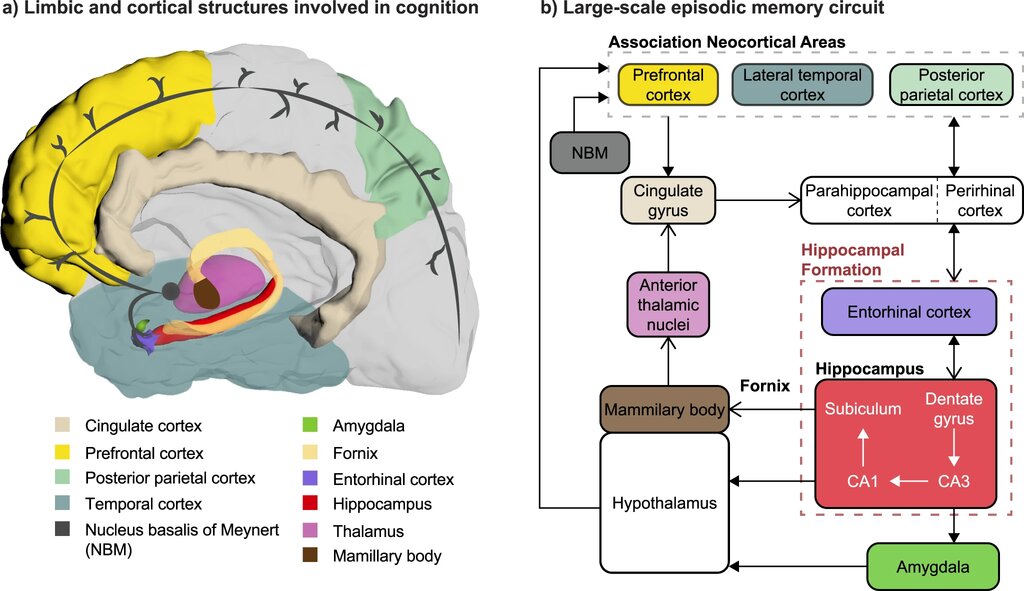
The unique character of dreams stems from a shift in brain activity. During REM sleep, the brainstem sends signals that activate higher brain regions. The limbic system, which includes the amygdala and hippocampus, becomes highly active. This area is the seat of emotions and memories, which is why dreams can feel so emotionally charged and often incorporate fragments of our daily lives.
At the same time, the prefrontal cortex—the brain's centre for logic, rational thought, and self-awareness—takes a backseat. With the logical editor offline, the brain is free to create bizarre narratives and accept them without question. This explains why we rarely notice how strange our dreams are until after we wake up.
Ready to check your understanding of what happens when you dream?
In which stage of sleep do the most vivid, narrative-driven dreams typically occur?
The temporary paralysis of voluntary muscles during REM sleep is known as __________.
Understanding the biology of dreams is the first step. It shows that dreaming isn't just random mental noise, but a structured process tied to our nightly sleep cycles and specific patterns of brain activity.