Unlocking Your Brain's Potential
Brain Structure and Function
The Brain's Command Center
Your brain is not a single, uniform mass. It’s a collection of specialized regions, each with a distinct job. Think of it like a busy office where different departments handle different tasks, all working together to keep the business running smoothly. To understand how we learn and remember, we need to meet a few key players in this cognitive office.
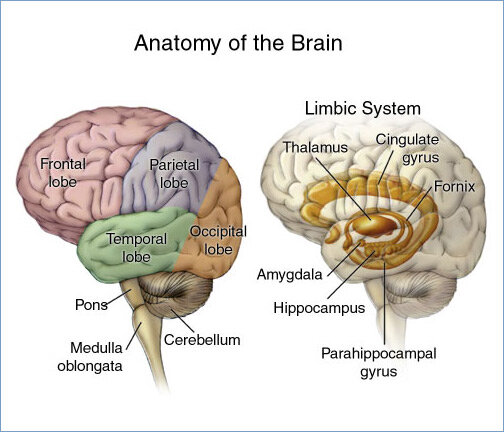
We'll focus on a few structures tucked away deep inside the brain, primarily within what's known as the limbic system. This area is ancient, evolutionarily speaking, and it's the heart of our memory and emotional processing.
The Memory Maker
First up is the hippocampus. If your brain has a librarian, this is it. The hippocampus doesn't store all your memories for the long term, but it plays a crucial role in forming them. It takes your experiences, thoughts, and sensations and begins the process of turning them into lasting memories.
hippocampus
noun
A complex brain structure embedded deep into the temporal lobe. It has a major role in learning and memory.
Imagine you're learning a new friend's name. The hippocampus is what takes that name, connects it to their face, and flags it as important information to keep. It's like creating a new card for the library's catalog. Without it, new information would just pass through without sticking. This process of making memories stable for long-term storage is called memory consolidation.
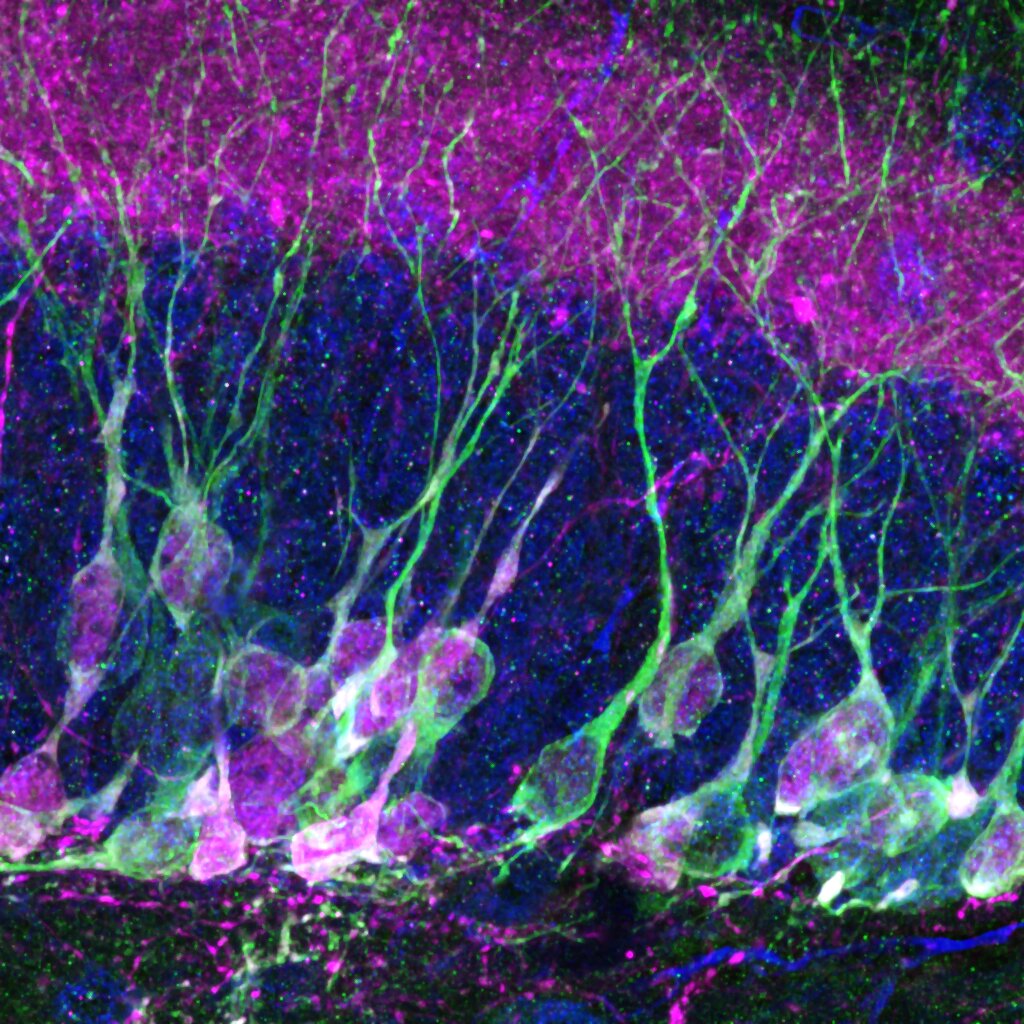
The hippocampus is essential for converting short-term experiences into long-term memories.
The Executive Director
Next, let's look at the prefrontal cortex, located right behind your forehead. This is the brain's CEO or executive director. It's in charge of complex cognitive behavior, decision-making, and moderating social behavior. Crucially for learning, it manages your attention and working memory.
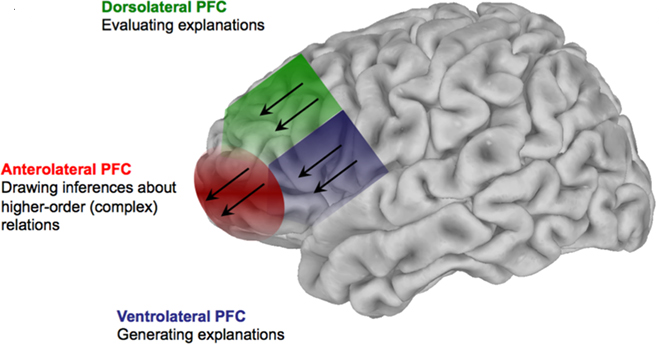
Working memory is like your brain's mental scratchpad. It's where you hold information temporarily to manipulate it. When you solve a math problem in your head or follow a set of instructions, you're using your working memory. The prefrontal cortex directs your focus, helping you ignore distractions and concentrate on the task at hand. It decides what information on the scratchpad is important enough to send over to the hippocampus for processing.
Your prefrontal cortex helps you focus your attention and hold information in your mind just long enough to use it.
The Emotional Core
Not all memories are created equal. You're far more likely to remember a shocking or joyful event than what you had for breakfast last Tuesday. That's thanks to the amygdala, a pair of small, almond-shaped structures.
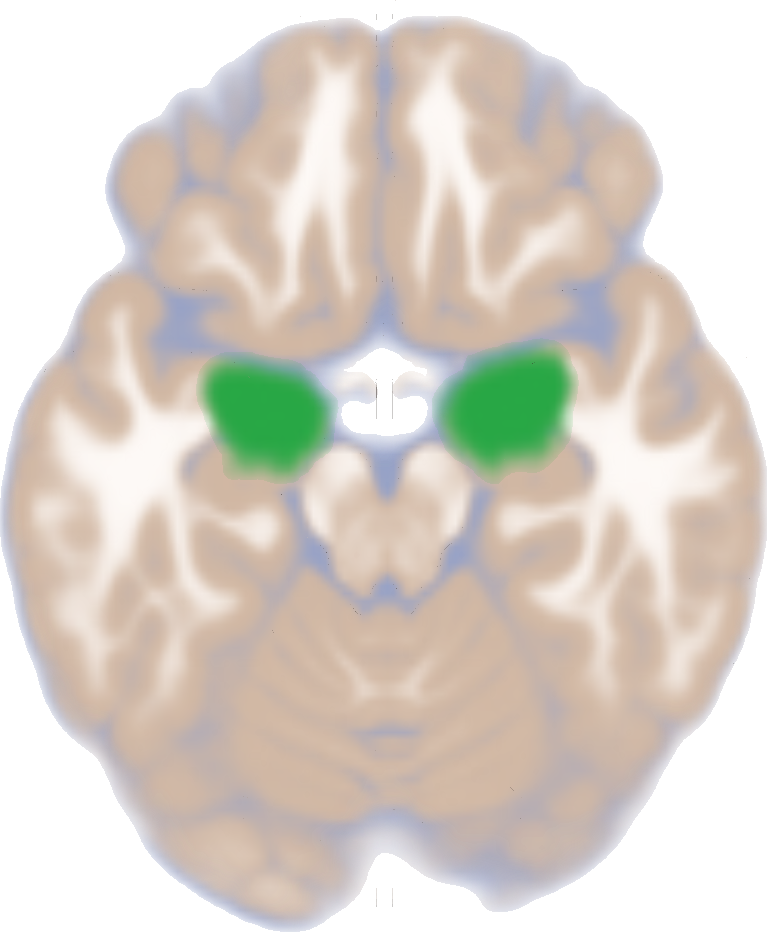
The amygdala is the brain's emotional processing center. When you experience a strong emotion, the amygdala gets activated and sends a signal to the hippocampus that says, "Pay attention! This is important!" This emotional tag helps prioritize the memory, making it stronger and easier to recall later. This is why memories tied to intense feelings of fear, excitement, or happiness are often so vivid.
The amygdala acts as a highlighter for memories, marking emotionally significant events for better recall.
Finally, we have the entorhinal cortex. Think of this area as the main gateway or central station for the hippocampus. It's a hub that collects information from many other parts of the brain and funnels it into the hippocampus for memory formation. It also plays a key role in the reverse process, helping with memory retrieval.
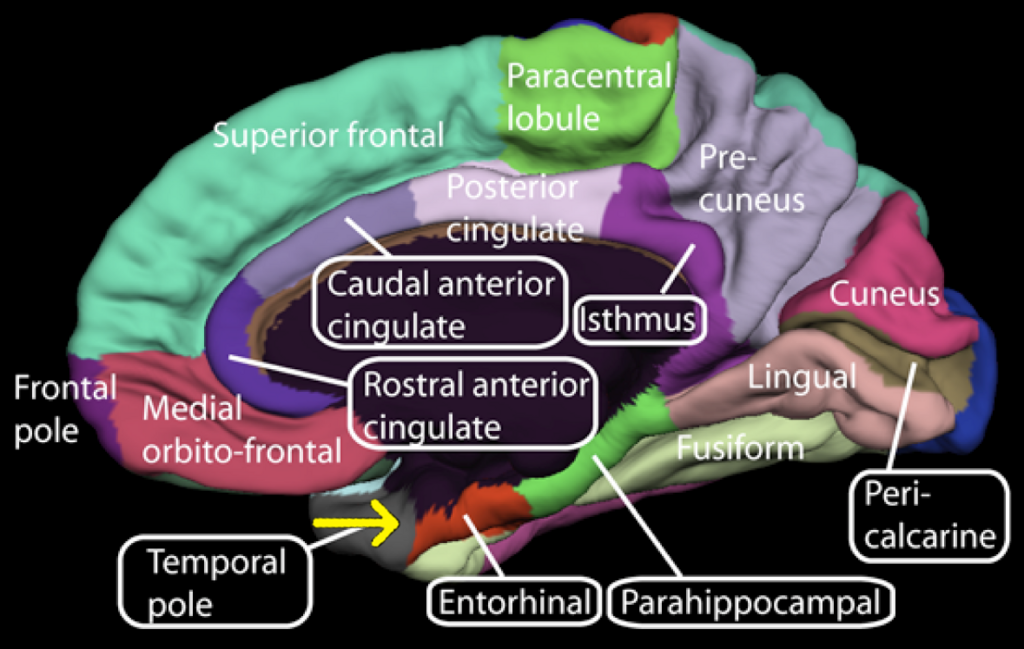
Beyond being a simple gateway, the entorhinal cortex is also critical for navigation. It contains specialized neurons that create a mental map of your environment, helping you understand where you are and how to get around. This spatial context is often woven directly into our memories.
Now, let's test your knowledge of these crucial brain components.
If the brain is compared to a busy office, which part acts as the CEO, managing attention and working memory?
What is the primary role of the hippocampus in the learning process?
Together, these structures form a powerful network that enables us to learn, remember, and navigate the world. Understanding their roles is the first step toward understanding cognition itself.