Unlocking User Experience Design
User-Centered Design
Putting Users First
User-Centered Design (UCD) is more than a methodology; it's a philosophy. It insists that the people who will use a product should be the central focus of every decision made during its creation. Instead of building something and then hoping people find it useful, UCD flips the script. It starts with understanding user needs, limitations, and contexts, and uses that knowledge to guide the entire design process.
User-centered design (UCD) is a modern, widely practiced design philosophy rooted in the idea that users must take center-stage in the design of any computer system.
This approach moves away from making assumptions about what users want. Instead, it relies on evidence gathered through research and direct user involvement. The goal is to create products that are not only functional but also intuitive, efficient, and enjoyable to use.
The UCD Framework
While UCD is flexible, it’s built on a few core principles that ensure the user remains the priority from start to finish. These aren't rigid rules but guiding ideas that shape the design journey.
| Principle | What It Means |
|---|---|
| Early Focus on Users and Tasks | The process begins with deep research to understand who the users are, their goals, and the context in which they'll use the product. This isn't about guessing; it's about observing and listening. |
| Empirical Measurement | Design decisions are validated through data. This involves observing, testing, and measuring user behavior with prototypes and early versions of the product to see what works and what doesn’t. |
| Iterative Design | The design process is a cycle, not a straight line. Teams create a version of the design, test it with users, analyze the feedback, and then refine the design based on what they've learned. This loop repeats as many times as needed. |
These principles work together. You can't have an iterative process without measuring user reactions, and you can't measure reactions without first understanding who your users are.
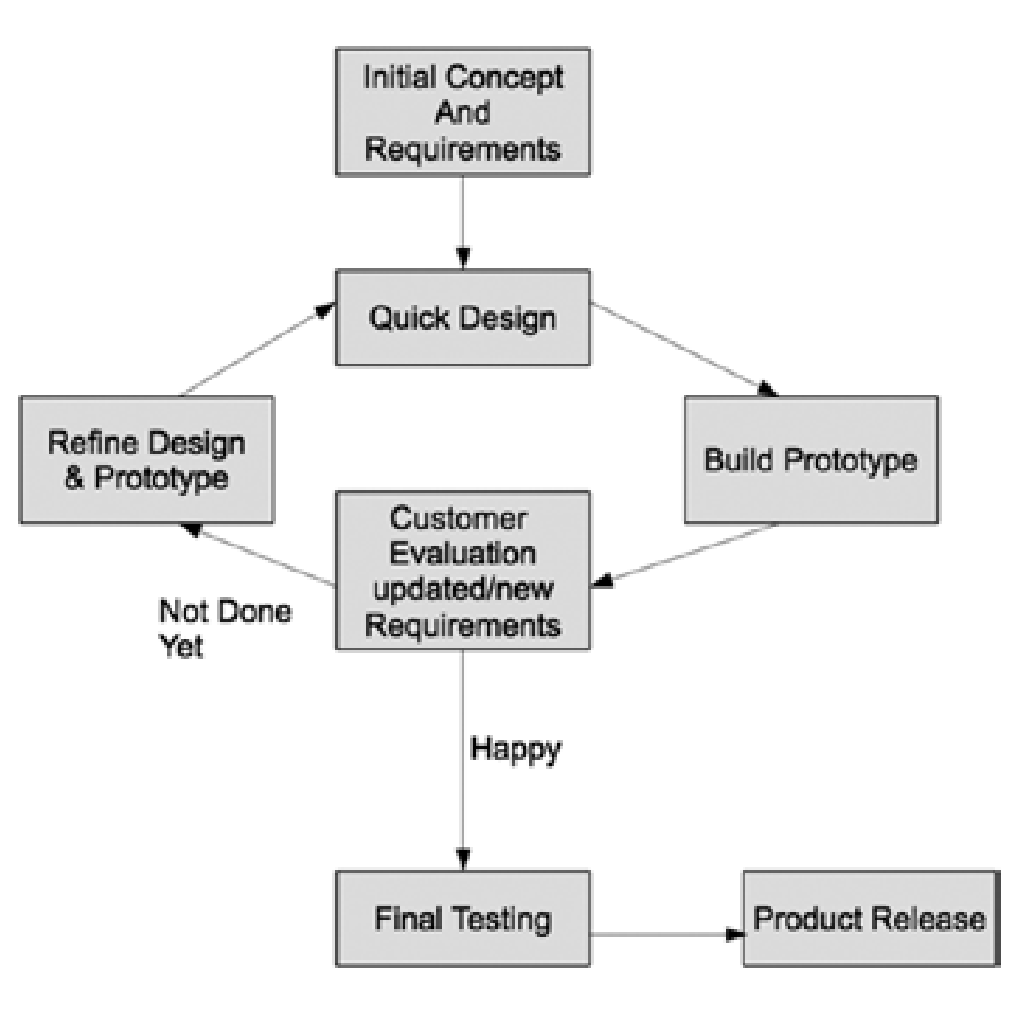
The Iterative Loop in Action
The heart of UCD is its iterative nature. A design team doesn't just build a product and release it. Instead, they create a series of prototypes, each one a little more refined than the last, and continually test them with real users.
A typical cycle looks like this:
- Understand: Research user needs and define requirements.
- Design: Create a solution, often as a wireframe or low-fidelity prototype.
- Evaluate: Test the design with actual users to gather feedback.
- Refine: Analyze the feedback and use it to improve the design.
Then the cycle begins again. This process of building, testing, and learning reduces risk by catching design flaws early, long before any code is written. It ensures the final product is shaped by user behavior, not by the design team's assumptions.
Feedback is the fuel for this iterative engine. It can be explicit, like when a user says, "I couldn't find the save button." Or it can be implicit, like observing that five out of six test participants hesitated in the same spot. Both types of feedback are valuable for identifying friction points and opportunities for improvement.
The Payoff of UCD
Adopting a UCD approach requires time and resources, particularly for user research and testing. However, this upfront investment pays off significantly in the long run. Products built with UCD principles are more likely to succeed because they are designed to solve real problems for real people.
The key benefits include:
- Increased User Satisfaction: Products that are easy and pleasant to use create happier customers.
- Reduced Development Costs: Identifying and fixing usability issues during the design phase is far cheaper than fixing them after the product has been built and launched.
- Fewer Support Requests: An intuitive product requires less documentation and hand-holding, freeing up customer support teams.
- Higher Adoption and Retention: When a product meets user needs effectively, people are more likely to use it and stick with it over time.
Ultimately, UCD is about humility. It’s the recognition that designers are not the users and that the best path to a great product is through understanding and collaboration with the people who will actually use it.
Ready to test your knowledge? Let's see what you've learned about putting users at the center of the design process.
What is the fundamental philosophy of User-Centered Design (UCD)?
A design team has just completed user testing on a low-fidelity prototype and gathered feedback. According to the typical UCD iterative cycle, what is their most logical next step?
By consistently applying these principles, you move from designing for an abstract audience to designing for actual human beings.