Unlocking the Transcriptome
Introduction to Transcriptomics
Beyond the Blueprint
Every cell in your body contains the same master blueprint: your DNA. This genetic code holds the instructions for building and operating your entire being. But if every cell has the same instructions, why is a heart cell so different from a brain cell? The answer lies not just in the blueprint itself, but in which parts of it are being read at any given time.
This is where transcriptomics comes in. Instead of looking at the entire library of DNA, transcriptomics focuses on the working copies, the RNA molecules. Think of DNA as a massive, ancient cookbook containing every recipe your body could ever need. You wouldn't cook every single dish at once. Instead, you'd copy specific recipes onto notecards to use for tonight's dinner. Those notecards are like RNA.
Transcriptome
noun
The complete set of all RNA molecules, including messenger RNA (mRNA), ribosomal RNA (rRNA), transfer RNA (tRNA), and other non-coding RNA, in one cell or a population of cells for a specific set of environmental conditions.
The collection of all these RNA “notecards” in a cell at a specific moment is called the transcriptome. By studying it, we get a dynamic snapshot of which genes are active, or "expressed." This flow of information from the master blueprint to the functional product is a core concept in biology.
The Central Dogma
The process of getting from gene to function is described by the central dogma of molecular biology. It's a simple, powerful idea: genetic information flows from DNA to RNA to protein.
-
Transcription: The process starts with DNA. An enzyme called RNA polymerase reads a specific gene on the DNA strand and creates a complementary copy made of RNA. This RNA copy is called messenger RNA, or mRNA.
-
Translation: The mRNA molecule then travels out of the cell's nucleus and into the cytoplasm, where cellular machinery called ribosomes read its code. The ribosome translates the mRNA's instructions into a specific sequence of amino acids, building a protein.
Proteins do most of the work in cells. They're responsible for everything from carrying oxygen in your blood to digesting your food to contracting your muscles. The type and number of proteins a cell makes determines its function.
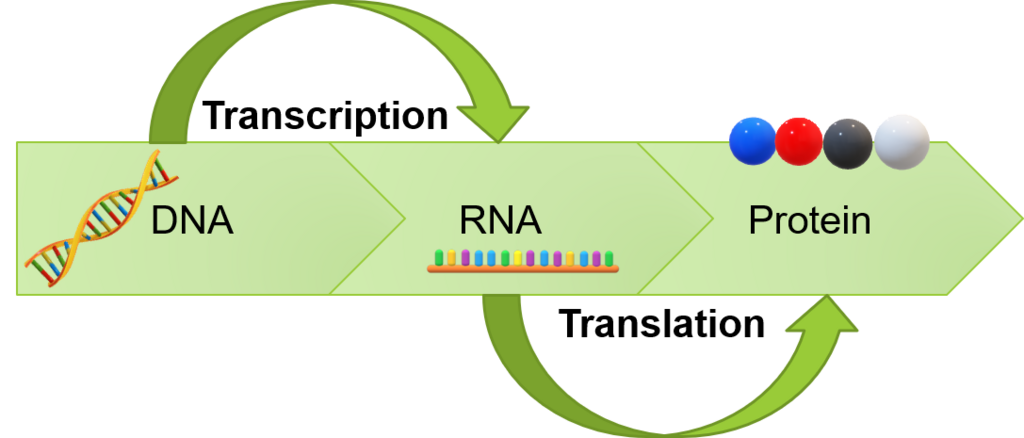
By analyzing the transcriptome, we are essentially intercepting the message after transcription but before translation. This tells us exactly which proteins the cell is preparing to make, giving us powerful insights into its current activities and needs.
A Dynamic Picture of Health
Studying DNA is useful, but it gives a static picture. The transcriptome, on the other hand, is constantly changing in response to the environment. It can shift based on your diet, stress levels, or exposure to a virus. This makes it incredibly valuable for understanding health and disease.
For example, the transcriptome of a cancer cell looks very different from that of a healthy cell. Genes that promote cell growth might be switched on, while genes that are supposed to stop it might be silenced. By comparing the two, researchers can identify the specific changes that drive the disease.
Studying the transcriptome shows us which genetic instructions a cell is actually following at any given moment.
This knowledge has profound applications. In medicine, transcriptomics helps scientists understand the molecular basis of diseases like Alzheimer's, diabetes, and heart disease. It can lead to the discovery of new biomarkers for diagnosing diseases earlier and more accurately.
It also plays a crucial role in developing new drugs. By understanding which genes are improperly expressed in a disease state, researchers can design therapies that specifically target those genes or the proteins they create. This opens the door to personalized medicine, where treatments can be tailored to an individual's unique genetic activity.
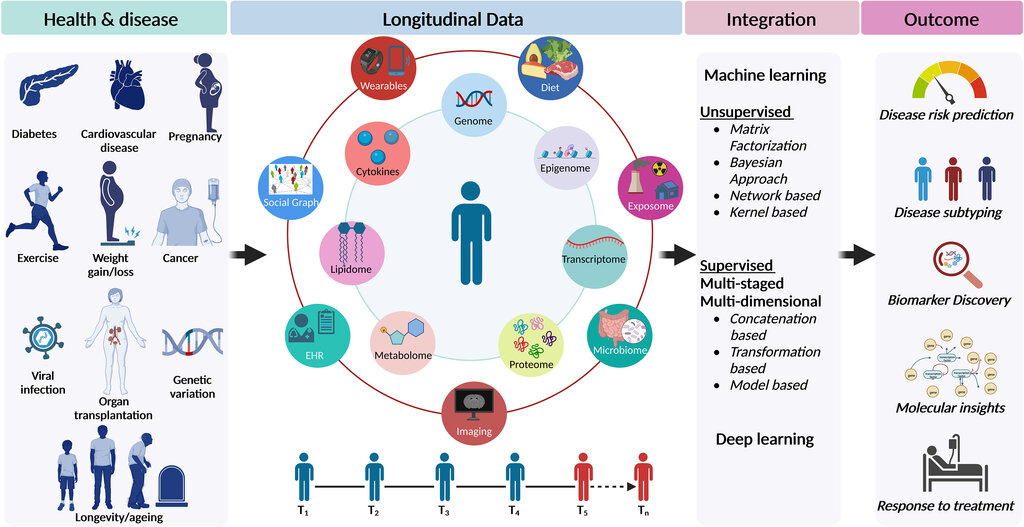
From understanding how a single cell functions to developing life-saving therapies, the study of RNA provides a vital, active view of the intricate world inside our bodies.
If a cell's DNA is like a comprehensive cookbook containing every recipe the body could ever need, what does the transcriptome represent?
Which sequence correctly describes the central dogma of molecular biology, representing the flow of genetic information?