Unlocking the Secrets of the Eight Characters
Introduction to Bazi
What is Bazi?
Bazi, which translates to "Eight Characters," is an ancient Chinese system of destiny analysis. It's often called the Four Pillars of Destiny because it uses your birth year, month, day, and hour as the four pillars that support your life's blueprint.
Bazi Metaphysics (BaZi) is a profound and precise traditional Chinese system of fortune-telling that deciphers an individual’s destiny through the combination of the Heavenly Stems and Earthly Branches based on their year, month, day, and hour of birth.
Think of it not as a rigid prediction of the future, but as a detailed map of your innate energies, talents, and challenges. By understanding this map, you can navigate your life with greater awareness, making choices that align with your natural strengths and potential.
The Four Pillars
A Bazi chart is constructed from your exact birth time. Each of the four pillars—Year, Month, Day, and Hour—is represented by two Chinese characters. One character is a Heavenly Stem, and the other is an Earthly Branch. Four pillars, each with two characters, give us the total of eight characters, or Bazi.
- Year Pillar: Represents your ancestors, your early life, and your social circle.
- Month Pillar: Governs your parents, career, and prime working years.
- Day Pillar: The most important pillar, representing you (the Day Master) and your spouse. It reveals your core personality.
- Hour Pillar: Relates to your children, your ambitions, and your later years.
The character in the Heavenly Stem of the Day Pillar is called the Day Master. This is the focal point of the entire chart, representing your fundamental self. All other elements in the chart are analyzed in relation to the Day Master.
A Glimpse into History
Bazi's roots stretch back thousands of years in China. Its development is intertwined with ancient Chinese cosmology, including the concepts of Yin and Yang, the Five Elements (Wood, Fire, Earth, Metal, Water), and the celestial observations of court astrologers. The system was formalized during the Tang Dynasty (618-907 AD) and further refined during the Song Dynasty (960-1279 AD) by scholars who established the foundational principles still used today.
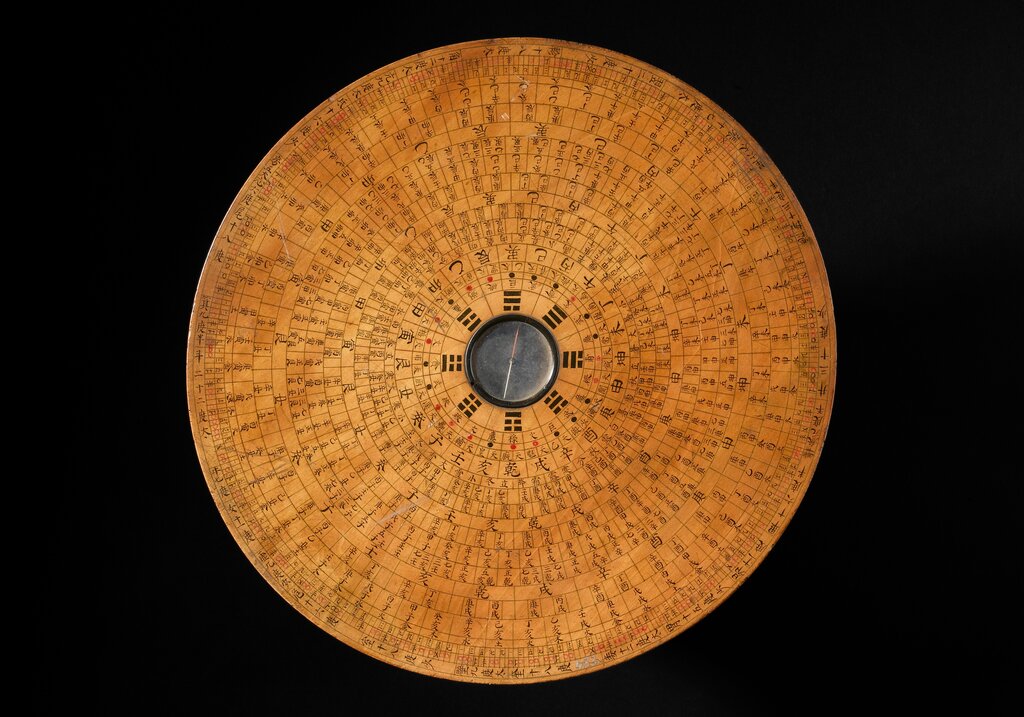
This knowledge was traditionally used by emperors to make strategic decisions, by scholars for self-cultivation, and by the general populace for guidance on everything from marriage to business ventures.
How Bazi is Used
The primary application of Bazi is to gain a deep understanding of one's personality, strengths, weaknesses, and life potential. It offers insights into relationships, career path, health, and wealth capacity. It is not about fortune-telling in a fatalistic sense. Instead, it reveals the energetic landscape you were born with.
Bazi shows your potential and the path of least resistance. It empowers you to make better decisions by understanding the energies at play in your life.
An analysis involves examining the interactions between the Five Elements within the chart. Are they in balance? Is one element particularly strong or weak? The answers reveal the dynamics of your character and the themes that will likely surface throughout your life. For example, a person with a strong Wood element might be naturally driven and growth-oriented, while someone with an excess of Water might be more introspective and adaptable.
What does the term "Bazi" literally translate to?
Which pillar in a Bazi chart is considered the most important because it represents your core self and your spouse?
This introduction covers the basic framework of Bazi. By understanding its structure and purpose, you can begin to appreciate the depth of this ancient system for self-discovery.