Unlocking the Secrets of Car Engines
Engine Types
Strokes and Power Cycles
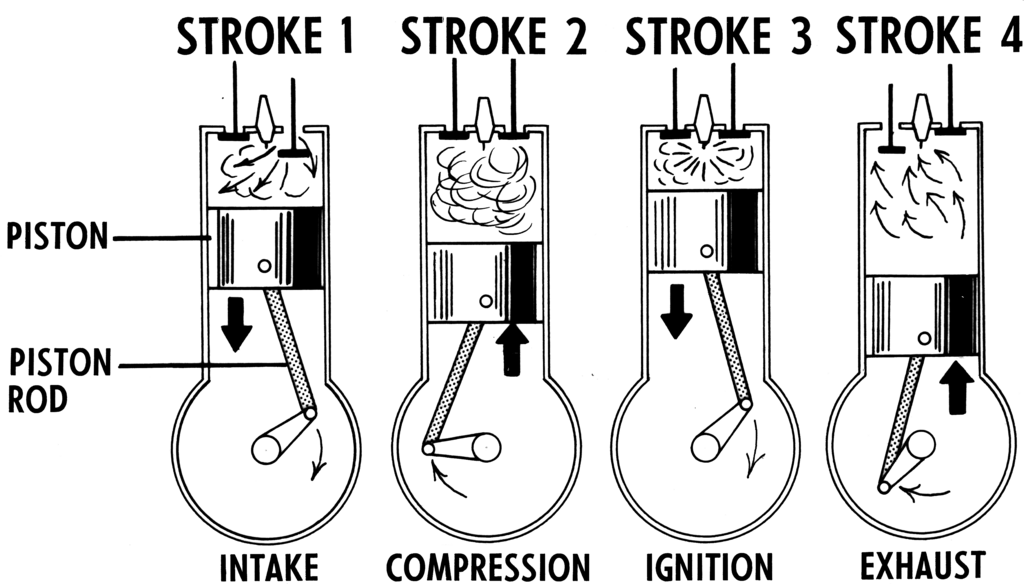
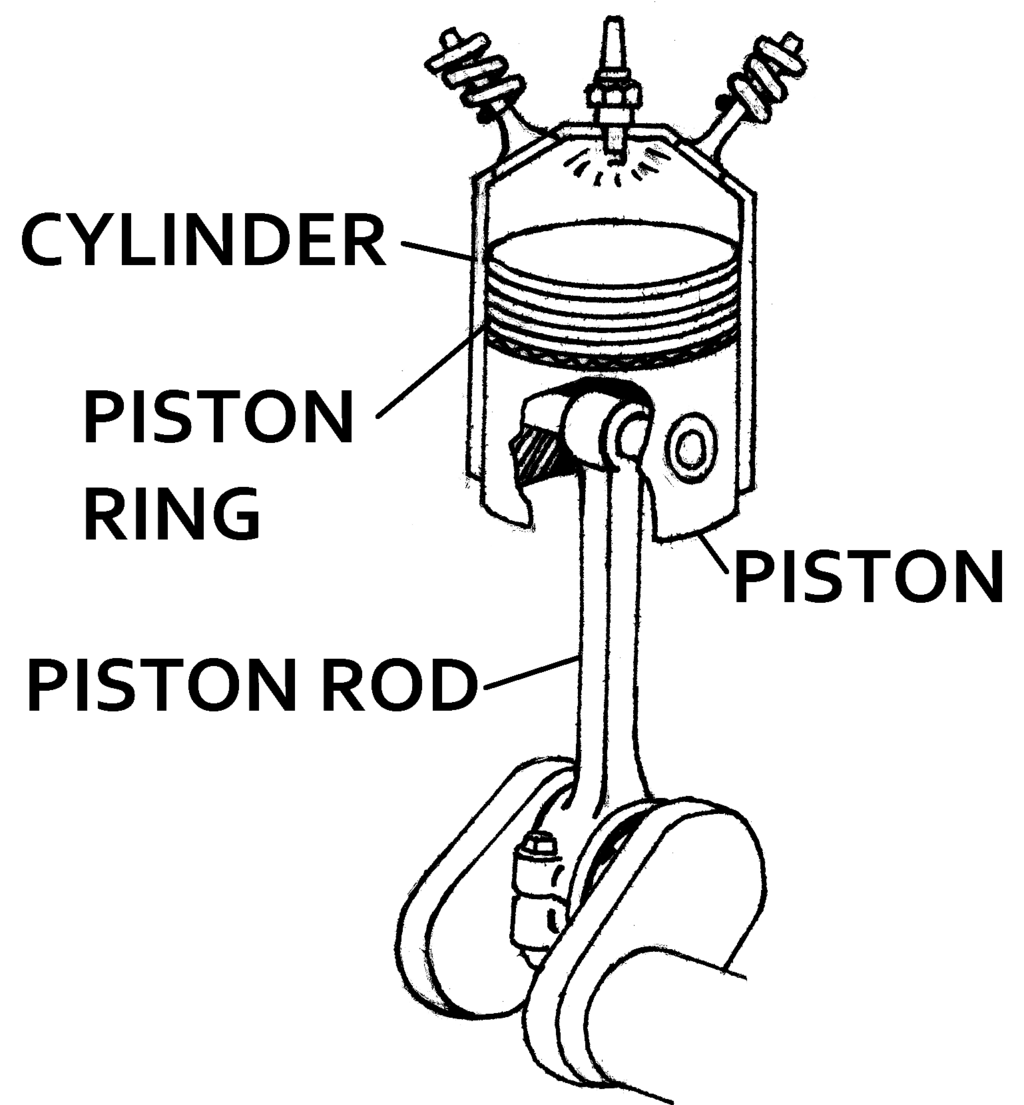
The heart of an internal combustion engine's operation is the piston moving up and down inside a cylinder. Each one-way movement of the piston is called a stroke. Engines are often categorized by how many strokes it takes to complete one full power cycle, which is the sequence of events that generates power.
The most common design is the four-stroke engine, a cycle perfected over a century ago by Nikolaus Otto in 1876.
Four-stroke engines are the standard in cars, trucks, and most larger vehicles. As the name implies, they use four strokes of the piston to complete a power cycle. This design is relatively complex but is known for its efficiency and cleaner emissions compared to its simpler counterpart.
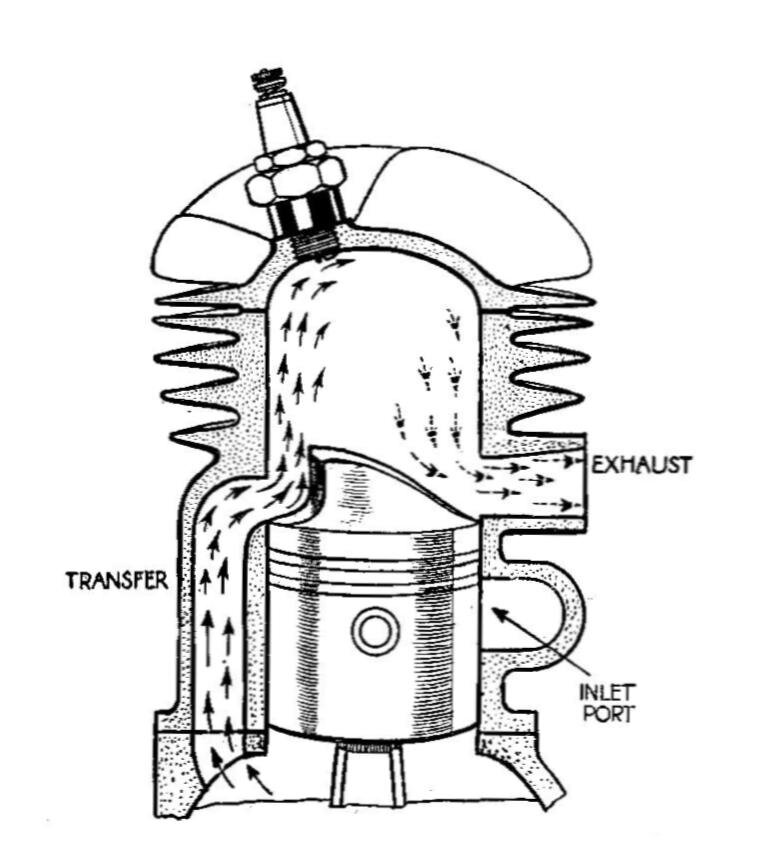
Two-stroke engines, on the other hand, complete a power cycle in just two piston strokes. This makes them mechanically simpler, lighter, and able to produce more power for their weight. However, they are generally less fuel-efficient and produce more pollution. You'll find them in smaller machines where a high power-to-weight ratio is important, like chainsaws, leaf blowers, and some motorcycles.
| Feature | Four-Stroke Engine | Two-Stroke Engine |
|---|---|---|
| Power Cycle | 4 strokes (2 crankshaft rotations) | 2 strokes (1 crankshaft rotation) |
| Complexity | More complex, has valves | Simpler, uses ports |
| Size & Weight | Heavier and larger | Lighter and more compact |
| Efficiency | More fuel-efficient | Less fuel-efficient |
| Emissions | Lower emissions | Higher emissions |
| Common Use | Cars, trucks, boats | Chainsaws, dirt bikes, small outboards |
Fuel and Ignition
Another key way to classify engines is by the type of fuel they use and how that fuel is ignited to create combustion. The two most common types are gasoline and diesel engines.
Gasoline engines use spark plugs to ignite a compressed mixture of air and fuel. This process is known as spark ignition.
In a gasoline engine, fuel is mixed with air before it's compressed inside the cylinder. Once the piston compresses this mixture, a precisely timed spark from the spark plug ignites it, forcing the piston down and creating power. These engines are common in most passenger cars because they are relatively lightweight, quiet, and can operate at high speeds (RPMs).
Diesel engines work on a different principle called compression ignition. They don't have spark plugs. Instead, they draw only air into the cylinder and compress it to a much higher pressure than gasoline engines. This extreme compression makes the air incredibly hot.
Fuel is then injected into this superheated air, and it ignites instantly from the heat alone. No spark is needed.
This process allows diesel engines to be more fuel-efficient and produce more torque, which is a measure of turning force. That's why they are the engine of choice for heavy-duty applications like large trucks, buses, trains, and construction equipment where pulling heavy loads is essential.
Ready to check your understanding of these engine types?
What is the primary function of a spark plug in a gasoline engine?
Which of the following applications would be best suited for a two-stroke engine?
By understanding these fundamental differences in strokes and ignition, you can see why different vehicles use different kinds of engines, each optimized for its specific job.