Unlocking Scientific Literature
Scientific Paper Structure
The Blueprint of a Paper
Scientific papers can feel dense and intimidating, but they almost always follow a predictable pattern. This structure helps you know exactly where to find specific information, whether you're skimming for the main points or digging into the details. The most common framework is known as IMRaD.
Most academic research papers follow a standard framework, often summarized as IMRaD: Introduction, Methods, Results, and Discussion.
Think of it as a universal blueprint for presenting research. Before we dive into the IMRaD sections, let's start with the part that comes first: the abstract.
Your Guide to the Paper
The abstract is a short summary of the entire article, usually just a paragraph long. It's like the blurb on the back of a book or a movie trailer. It gives you the highlights: the problem, the approach, the main findings, and the conclusion. Reading the abstract first helps you quickly decide if the paper is relevant to your interests without having to read the whole thing.
If you only have a few minutes, the abstract gives you the most important information in the least amount of time.
After the abstract comes the main body of the paper, which typically follows the IMRaD structure.
Let's break down what each of these core sections does.
The IMRaD Core
1. Introduction
The introduction sets the stage for the research. It starts broad by explaining the background of the topic and then narrows down to the specific problem the study addresses. It tells you why the research was done. A good introduction will answer a few key questions:
- What is already known about this topic?
- What is the gap in our knowledge?
- What is the specific question or hypothesis this paper will test?
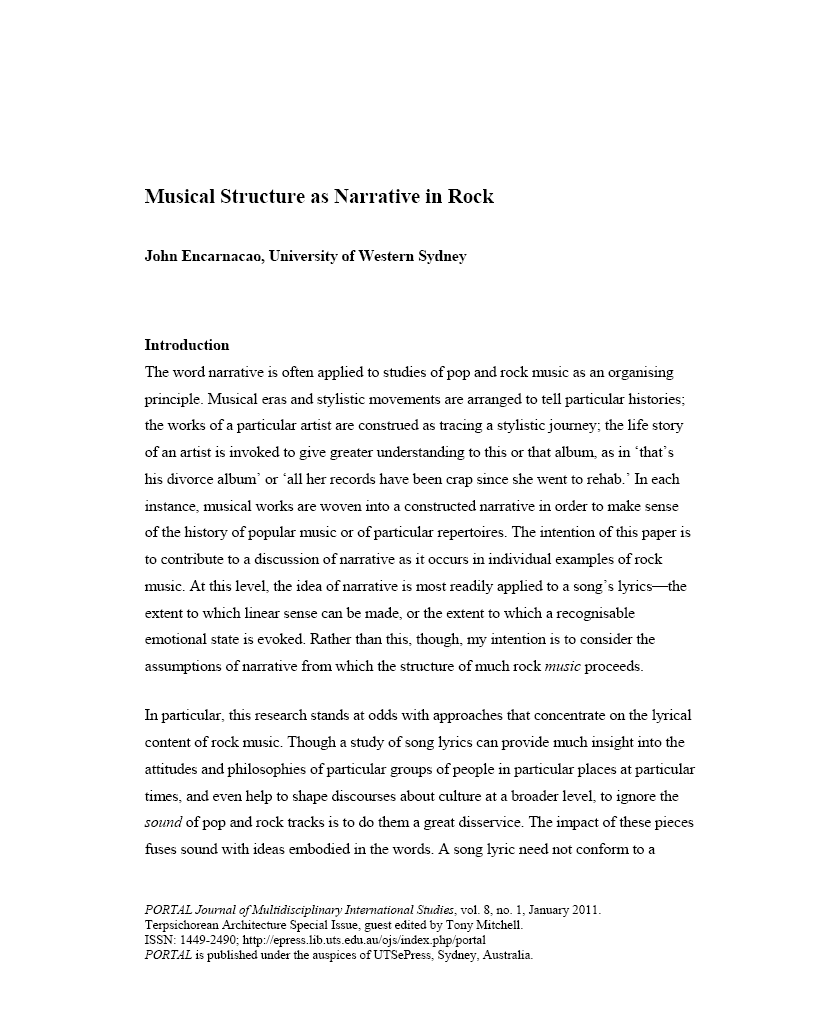
2. Methods
The methods section is the recipe book of the paper. It describes exactly how the researchers conducted their study. This section should be detailed enough that another scientist could replicate the experiment. It covers the materials used, the design of the study, the procedures followed, and how the data was analyzed.
For example, if the study involved a survey, the methods section would describe who was surveyed, how they were selected, what questions were asked, and what statistical tests were used on the answers.
3. Results
This section presents the findings of the study without any interpretation. It's the raw data, usually summarized with text, tables, and figures. The results section simply states what was found. For example, it might say, "Group A showed a 20% improvement, while Group B showed a 5% improvement." It doesn't yet explain why that might be or what it means.
| Section | Purpose | Example Sentence |
|---|---|---|
| Introduction | States the problem | "Previous studies have not explored the link between X and Y." |
| Methods | Explains the procedure | "We collected 100 samples and analyzed them using mass spectrometry." |
| Results | Presents the findings | "The concentration of substance Z was 50% higher in the test group." |
| Discussion | Interprets the findings | "This higher concentration suggests that our hypothesis is correct." |
4. Discussion
If the results section is about what was found, the discussion is about what it all means. Here, the authors interpret their findings, explain their significance, and connect them back to the original question from the introduction. They might compare their results to previous studies, acknowledge any limitations of their own study, and suggest directions for future research. This is often the most interesting part of the paper to read, as it's where the story of the research comes together.
Giving Credit
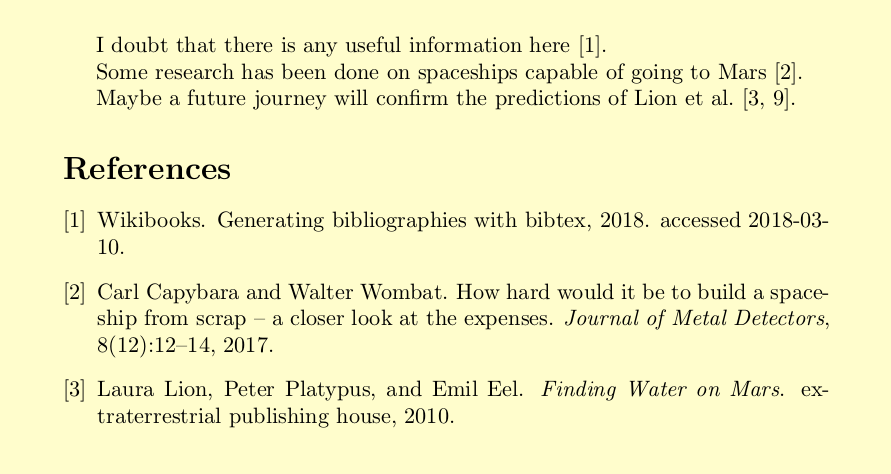
Finally, every scientific paper ends with a References section. This is a list of all the other articles, books, and sources that the authors cited in their paper. It's crucial for a few reasons:
- It gives credit to the researchers whose work the paper builds upon.
- It allows readers to find the original sources for themselves if they want to learn more.
This list shows that the authors have done their homework and are placing their work within the broader context of scientific knowledge.
Understanding this standard structure makes any scientific paper much less daunting. You know where to look for the main takeaway (abstract and discussion), the background (introduction), and the technical details (methods and results).
The acronym IMRaD, a common structure for scientific papers, stands for:
You want to quickly determine if a scientific paper is relevant to your research. Which section provides a concise summary of the entire article, including the problem, methods, and main findings?