Unlocking Children's Talents
Understanding Child Development
The Blueprint of Growth
Every child grows in their own unique way, but that growth follows a predictable pattern. Think of it as a blueprint for becoming a person. This blueprint covers how children learn to think, feel, and interact with the world around them. Understanding these stages of development helps us support them in a way that truly fits their needs.
We can break this journey down into three core areas: cognitive, social, and emotional development. Cognitive growth is all about the mind—how children reason, solve problems, and understand concepts. Social and emotional growth are about the heart and relationships—learning to manage feelings and connect with others. These areas don't develop in isolation; they are deeply intertwined, each influencing the others as a child grows.
Building the Thinking Brain
A child's ability to think and reason evolves dramatically from infancy to adolescence. One of the most influential roadmaps for this cognitive journey comes from psychologist Jean Piaget. He identified four major stages of mental development.
These stages explain how children learn at different ages. A toddler learns by touching, tasting, and moving. A seven-year-old can sort objects by color and size, but struggles with abstract ideas like justice. An adolescent, however, can debate moral dilemmas and think about the future.
This progression directly impacts a child's interests. A younger child might be fascinated by a picture book, while an older one might get lost in a complex fantasy novel or a science experiment. Matching activities to a child's cognitive stage makes learning feel natural and engaging, not frustrating.
The Heart and the Playground
Just as important as cognitive skills is a child's social and emotional growth. This is where they learn to understand their own feelings, recognize emotions in others, and build healthy relationships. It starts with the simple bond between an infant and a caregiver and grows to include friendships, teamwork, and empathy.
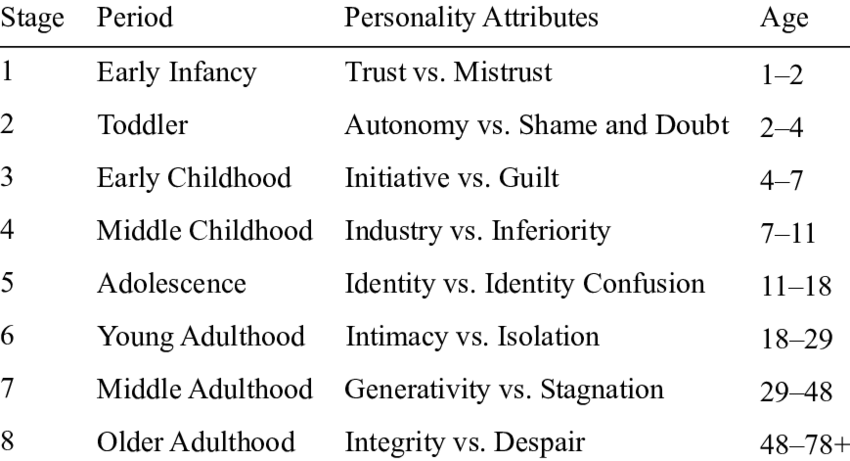
Psychologist Erik Erikson mapped out stages of social development, each centered on a specific challenge. For example, a toddler's main task is developing a sense of independence (autonomy), which is why "I do it myself!" is a common refrain. In elementary school, children are focused on feeling competent (industry), so they take pride in learning new skills like reading or riding a bike.
Emotional growth involves learning to name and manage feelings. A young child might have a tantrum because they don't have the words to express their frustration. As they grow, they learn to say, "I'm angry because he took my toy." This journey toward self-regulation is fundamental to navigating the social world.
Nurturing this growth is about creating a safe space for children to express their feelings and practice social skills, whether it's learning to share on the playground or working on a group project in school.
Marking the Milestones
Developmental milestones are specific abilities that most children achieve by a certain age. They can be physical (like sitting up or walking), cognitive (like saying their first words or counting), or social-emotional (like smiling at a parent or waving goodbye).
| Age Group | Common Milestones |
|---|---|
| Infant (0-1 year) | Smiles, babbles, sits without support, first words. |
| Toddler (1-3 years) | Walks, starts to run, speaks in two-word sentences, shows independence. |
| Preschool (3-5 years) | Hops and skips, tells stories, dresses self, plays with other children. |
| School-Age (6-12 years) | Reads and writes, understands others' perspectives, develops friendships. |
It's crucial to remember that these are just general guidelines. Every child develops at their own pace. Milestones are not a race to be won, but helpful signposts that show a child is generally on track.
These markers are also interconnected. Learning to crawl (physical) allows a baby to explore new objects (cognitive), and their delighted reaction to finding a toy builds social bonds with their caregivers (social-emotional). Understanding these connections helps us see the child's development as a whole, integrated process.
Now, let's test your understanding of these core developmental concepts.
According to Jean Piaget's theory, a seven-year-old can easily sort objects by size and color but struggles with abstract ideas like justice. Why is this?
A toddler who insists, "I do it myself!" is demonstrating a key developmental task from which area of growth?
By understanding the blueprint of child development, we can provide the right support at the right time, helping children build a strong foundation for a lifetime of learning and growth.