Unlocking BASIC Programming Fundamentals
Introduction to BASIC
The Language for Everyone
In the early days of computing, telling a machine what to do was a job for specialists. Programmers fed instructions to massive mainframe computers using stacks of punched cards, and then waited, sometimes for hours, to see if their code worked. It was a slow, difficult, and unforgiving process, far removed from the hands-on experience we know today.
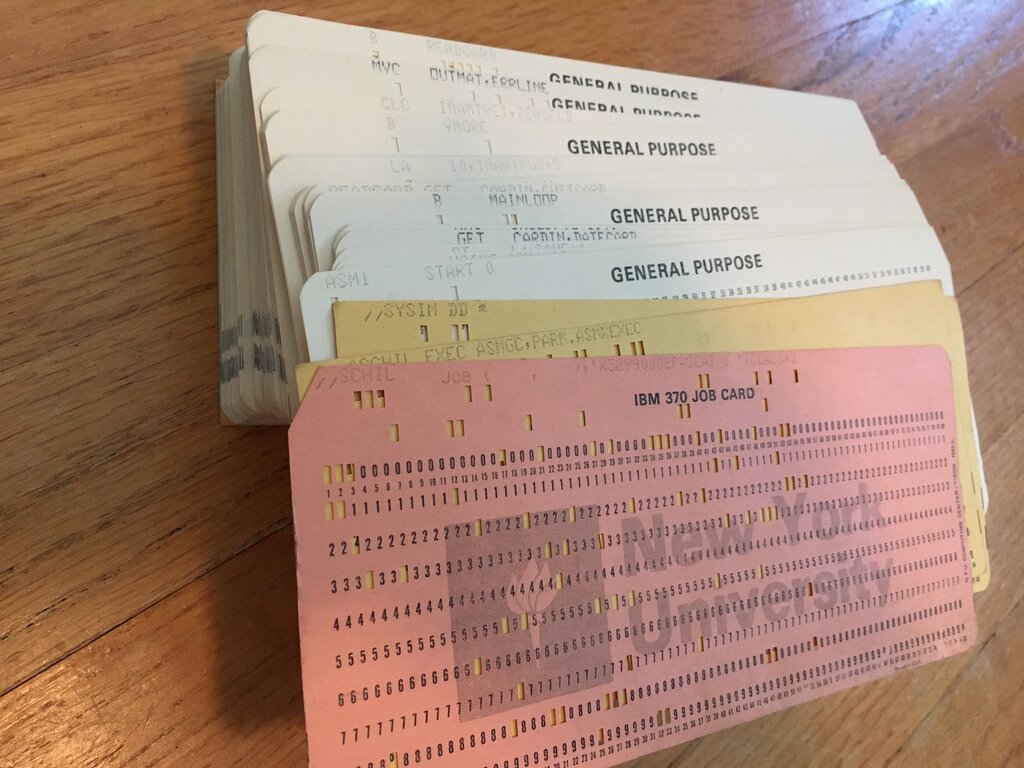
This complexity created a barrier. Computers were powerful, but only a select few could speak their language. Two professors at Dartmouth College, John G. Kemeny and Thomas E. Kurtz, saw this as a problem. They believed that programming should be accessible to everyone, not just scientists and mathematicians.
A New Kind of Code
Their solution, unveiled in 1964, was a new programming language designed from the ground up for simplicity. They called it BASIC, which stood for Beginner's All-Purpose Symbolic Instruction Code. The name said it all. It was meant to be the first step for anyone wanting to learn programming.
BASIC, or Beginner’s All-Purpose Symbolic Instruction Code, emerged in the 1960s intending to simplify and democratize computer programming, particularly for individuals new to the field.
BASIC used simple, English-like commands. It also ran on the groundbreaking Dartmouth Time Sharing System (DTSS), which allowed multiple users to interact with the computer simultaneously from their own terminals. This combination was revolutionary. For the first time, students could write code, run it instantly, and see the results. Programming became a conversation, not a monologue.
10 PRINT "HELLO, WORLD!"
20 END
The language required line numbers for every instruction. This made it easy to follow the program's flow and to edit specific lines of code.
Fueling the PC Revolution
When the first personal computers like the Altair 8800 arrived in the mid-1970s, they needed a language. BASIC was the perfect fit. It was small enough to run on the limited memory of these new machines and easy enough for hobbyists to learn quickly. A young Bill Gates and Paul Allen famously wrote a version of BASIC for the Altair, founding a company called Microsoft in the process.
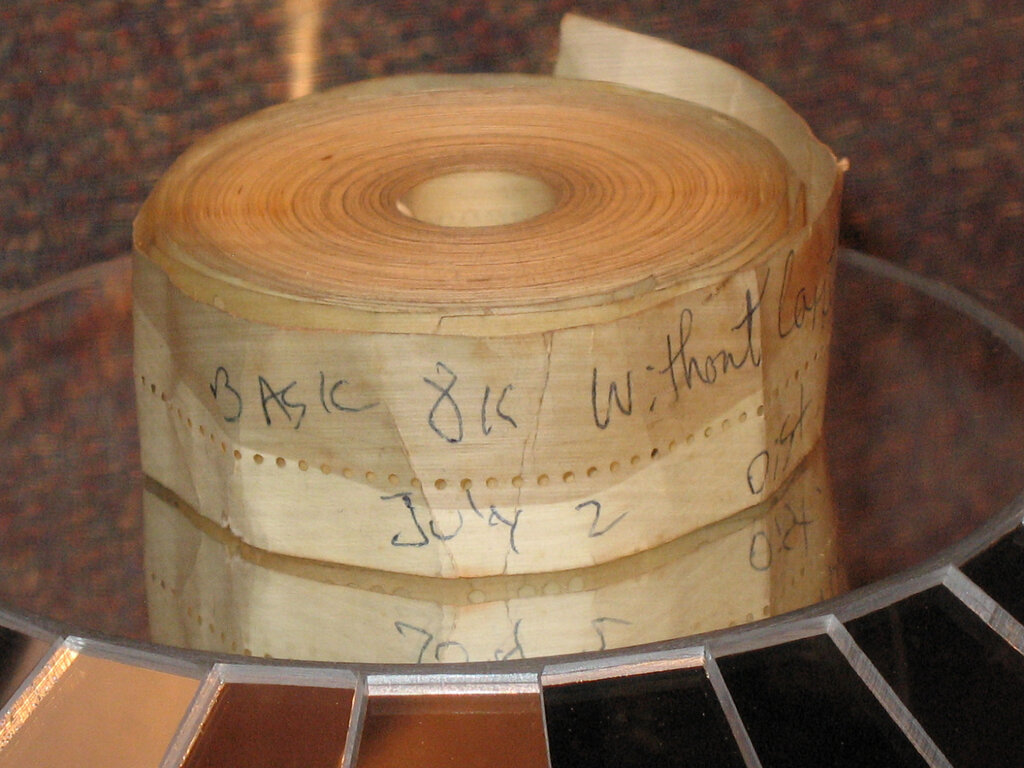
Throughout the late 1970s and 1980s, nearly every home computer came with a version of BASIC built in. Brands like Apple, Commodore, and Tandy all had their own dialects. This widespread availability created a generation of self-taught programmers who tinkered, created games, and learned the fundamentals of coding in their own homes. The simple language had successfully democratized computing.
As programming evolved, BASIC's simplicity, particularly its reliance on GOTO statements and global variables, fell out of favor for more structured approaches. However, its influence is undeniable. Many concepts pioneered in BASIC, like the interactive coding environment (REPL), are now standard. Furthermore, languages like Python carry on its spirit of being easy to learn and read.
More importantly, BASIC's descendants, like Microsoft's Visual Basic, brought programming to millions more by allowing users to build complex applications with graphical interfaces.
Let's review the key ideas from this introduction.
Now, test your understanding with a few questions.
What was the primary motivation for creating the BASIC programming language?
The combination of BASIC and the Dartmouth Time Sharing System (DTSS) was revolutionary because it allowed for an interactive programming experience.
While no longer the first language for most new programmers, BASIC's legacy is secure. It proved that coding didn't have to be an exclusive skill and opened the door for the software revolution that followed.