Unlocking Architectural Secrets
Introduction to Everyday Architecture
The Architecture We Don't See
When you hear the word “architecture,” what comes to mind? Maybe it’s the soaring arches of a gothic cathedral, the sleek glass of a modern skyscraper, or the ancient stones of a pyramid. We tend to think of architecture as the famous, standalone monuments we see in magazines or on vacation.
But most architecture isn't like that. Most of it is the backdrop of our daily lives: the houses on your street, the local grocery store, the office building where you work, the bus stop where you wait. This is everyday architecture. It’s the collection of ordinary buildings that forms the fabric of our communities.
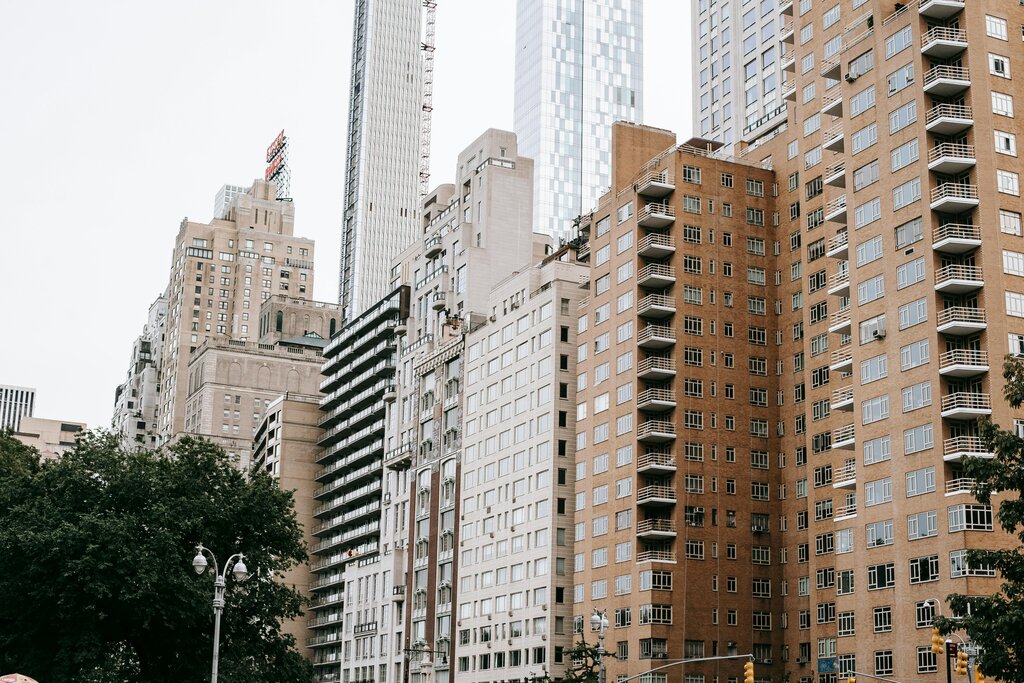
These structures are so common that we often stop noticing them. Yet, they have a profound, quiet influence on us. They're not just shelters from the rain; they are the physical framework for our lives, shaping how we move, interact, and feel every single day.
Architecture is a reflection of the cultures from which it emerges, shaped by historical context, geographic variations, and social structures.
How Buildings Shape Our Lives
The design of our surroundings constantly nudges us in certain directions. Think about the layout of a town square. If it’s filled with benches and shaded by trees, it invites people to gather and socialize. If it’s just a wide-open plaza, people might simply walk through it without stopping. A neighborhood with wide, continuous sidewalks encourages walking and chance encounters with neighbors. One with winding cul-de-sacs and no sidewalks prioritizes cars and privacy.
The impact goes even deeper. The materials used for a building can connect us to our local environment. The amount of natural light in an office can affect focus and mood. The design of a school can influence how students learn and collaborate. These are not grand, dramatic statements; they are subtle, persistent forces.
The design of a space tells you how to use it. A narrow hallway says “keep moving,” while a cozy nook with a bench says “stay a while.”
This collective design reflects a society's values. A city that invests in beautiful, accessible public parks shows that it values community and well-being. A culture that builds multi-generational homes has a different view of family than one that favors single-family houses. The architecture that surrounds us is a physical record of our priorities and beliefs, written in brick, steel, and glass.
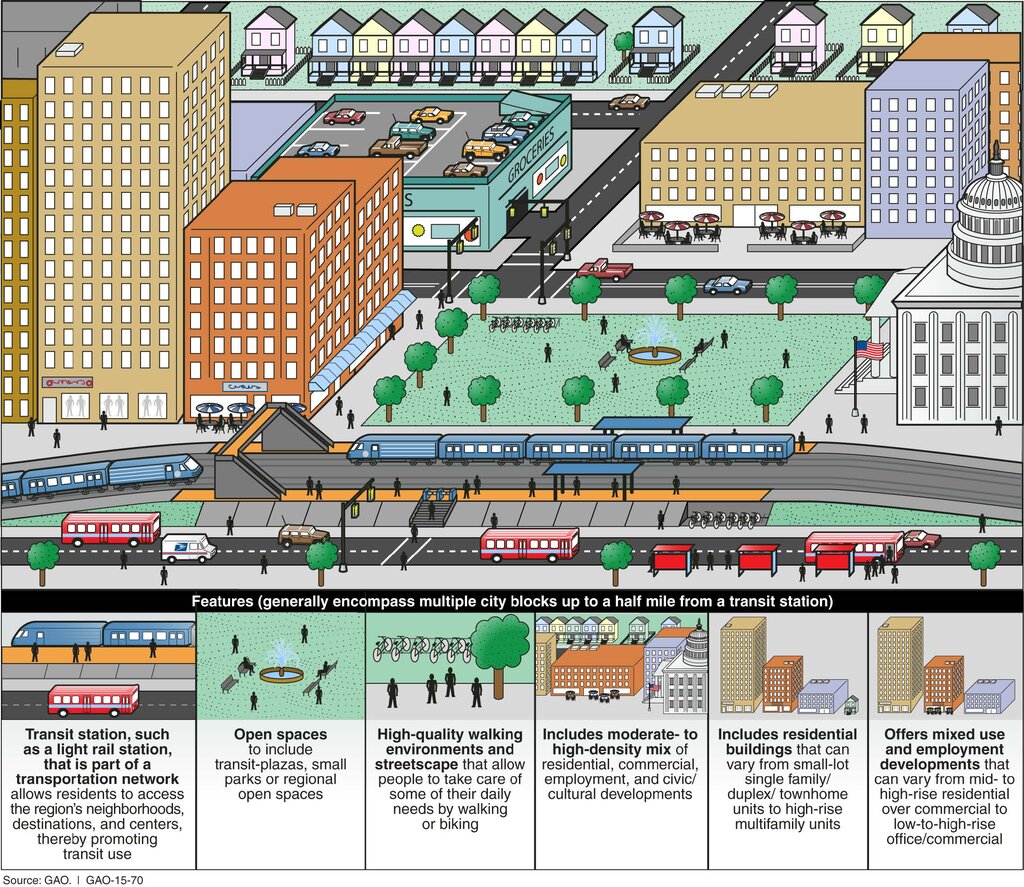
By learning to see these everyday structures, we can start to understand the hidden forces that shape our lives. We begin to read the story of our culture in the buildings we pass every day. This awareness changes how we see our world, turning a simple walk down the street into a discovery.