Unlock Your Youthful Vigor
Introduction to Longevity
Living Longer, Living Better
For most of human history, the goal was simple: to live longer. We fought diseases, improved sanitation, and developed better agriculture. The result is that global average life expectancy has more than doubled over the last century. But living a long life isn't the whole story. What good are extra years if they're spent in poor health?
This brings us to the core idea of longevity. It’s not just about adding years to your life, but more importantly, adding life to your years.
Longevity
noun
The pursuit of a long and healthy life, focusing on extending the period of wellness and high function, not just the total number of years lived.
To understand longevity, we need to distinguish between two critical concepts: lifespan and healthspan.
Lifespan vs. Healthspan
Think of lifespan as the total length of your life's road, from start to finish. It's the number you see on a birthday cake. Healthspan, on the other hand, is the portion of that road you travel while feeling good, energetic, and free from chronic illness. It's the period of vibrant, healthy living.
The unfortunate reality for many is that their healthspan ends years, or even decades, before their lifespan does. This gap represents a period of decline, often marked by chronic diseases like heart disease, diabetes, or dementia.
Life expectancy is increasing, but healthspan is actually worsening.
The goal of studying longevity is to close this gap by making our healthspan last as long as our lifespan.
So, what determines how long and how well we live? It's a complex mix of our biology and the world around us.
The Factors of Aging
Our aging process isn't left entirely to chance. It’s influenced by a combination of factors we inherit and factors we control.
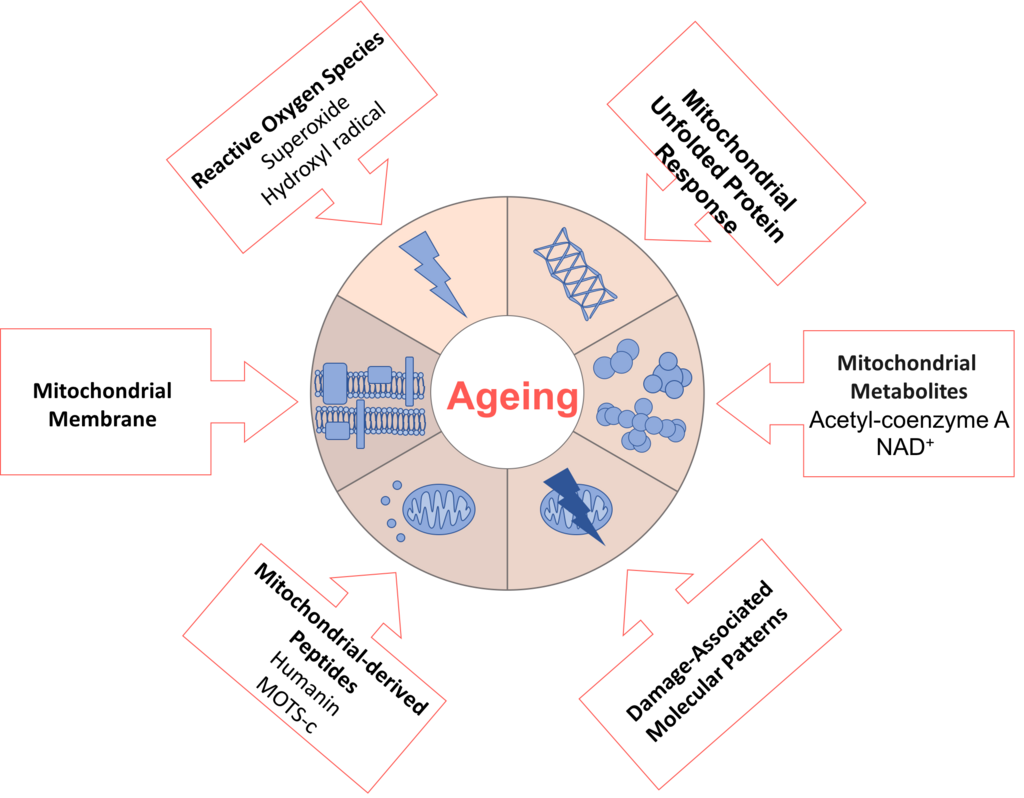
Biological Factors Your genes play a significant role. Just as some families have a history of blue eyes or tall stature, genetics can predispose individuals to certain diseases or, conversely, to a long and healthy life. This genetic inheritance provides your body's initial blueprint for aging. Beyond your DNA sequence, there are cellular processes at play. Over time, cells can accumulate damage, communication between them can break down, and their ability to produce energy can decline. These are the underlying biological mechanisms of aging.
Environmental and Lifestyle Factors While you can't change your genes, your environment and daily choices have a massive impact on how those genes are expressed. Think of your genes as the hardware and your lifestyle as the software that runs on it.
This includes the obvious things, like the food you eat, how much you move, and whether you smoke. But it also includes less obvious factors: the quality of your sleep, your stress levels, your exposure to pollutants, and even the strength of your social connections. These external inputs constantly send signals to your body, influencing your health day by day and year by year.
The interplay between your genes and your environment ultimately shapes your journey of aging. Longevity science aims to understand this interplay to help everyone live a longer, healthier life.
Let's review these core ideas.
Now, check your understanding of these concepts.
What is the primary goal of modern longevity science as described in the text?
An individual lives to be 95 years old, but develops a chronic, debilitating illness at age 75 that significantly impacts their quality of life. What are their lifespan and healthspan?
Understanding the difference between lifespan and healthspan is the first step. By focusing on the factors that influence both, we can work toward a future where a long life is also a healthy and fulfilling one.