Unlock Your Lucid Dreaming Potential
Understanding Sleep Cycles
The Architecture of Sleep
Sleep isn't just an on/off switch. When your head hits the pillow, your brain begins a structured journey through different states, each with a unique purpose. Think of it as a nightly performance with several acts.
This performance is divided into two main types of sleep: Non-Rapid Eye Movement (NREM) and Rapid Eye Movement (REM). Throughout the night, you cycle through these stages multiple times, with each cycle lasting about 90 minutes. The balance between NREM and REM sleep shifts as the night progresses, playing a crucial role in everything from physical repair to memory consolidation.
Journey Through the Stages
The first part of your sleep journey is through the three stages of NREM sleep, moving from light to deep rest.
Stage N1 (Light Sleep): This is the brief, drowsy state between wakefulness and sleep. Your muscles relax, and your brain waves begin to slow. You might experience a sudden muscle twitch, known as a hypnic jerk. It's easy to be woken up during this stage.
Stage N2 (Deeper Sleep): You spend about half your total sleep time in this stage. Your heart rate slows, your body temperature drops, and your brain produces short bursts of rapid activity called sleep spindles and K-complexes. These are thought to help protect sleep and play a role in memory.
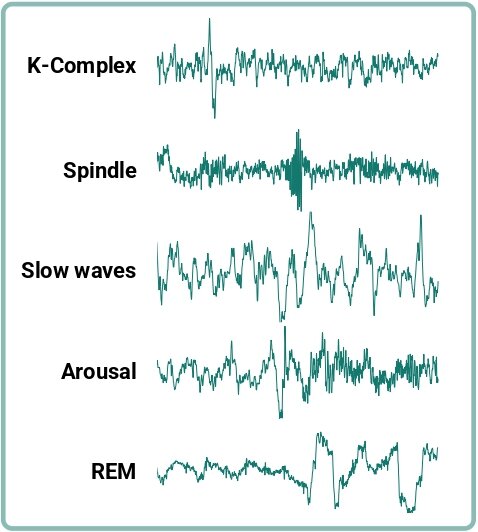
Stage N3 (Deep Sleep): Also known as slow-wave sleep, this is the most restorative stage. It's very difficult to wake someone from N3 sleep. During this time, the body repairs tissues, builds bone and muscle, and strengthens the immune system. Your brain also works to consolidate memories, transferring important information from short-term to long-term storage.
The World of REM
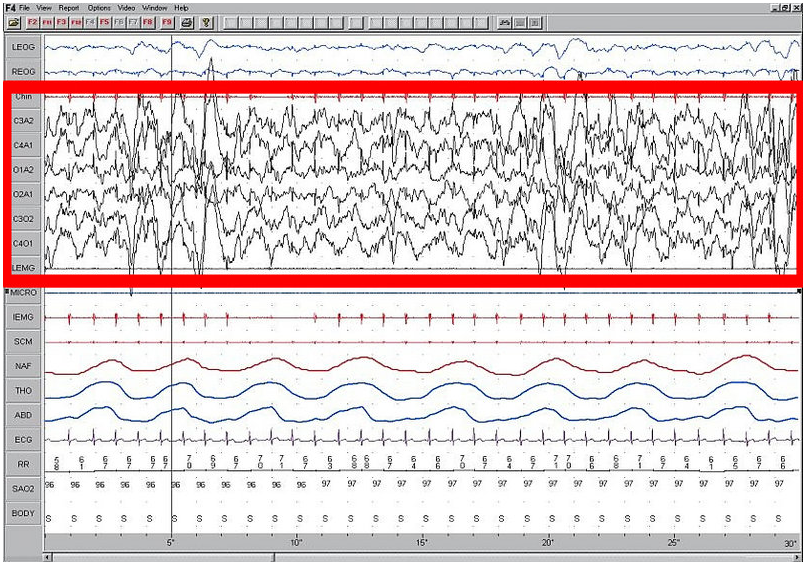
After cycling through the NREM stages, you enter the most famous act of the night: REM sleep. This is where the most vivid, narrative-driven dreams occur. Your brain activity during REM looks remarkably similar to when you're awake.
Most dreaming occurs in REM sleep.
While your mind is highly active, your body is essentially paralyzed. This temporary muscle paralysis, called atonia, is a protective measure that prevents you from acting out your dreams. Your eyes, however, move rapidly back and forth behind your closed eyelids, which is how this stage gets its name.
The Nightly Cycle
You don't just go through these stages once. A typical night consists of four to six cycles, each lasting around 90 minutes. The structure of these cycles changes over the night.
Early in the night, you spend more time in restorative deep sleep (N3). As the night wears on, the periods of deep sleep shorten, and the periods of REM sleep get progressively longer. This is why you're more likely to wake up from a vivid dream in the hours just before your alarm goes off.
Understanding this pattern is key. Since REM stages are longer and more frequent in the latter half of the night, this is the prime time for dreaming. Improving your dream recall often starts with simply paying attention to these final hours of sleep.
Ready to test your knowledge of the sleep cycle?
During which stage of sleep does the body primarily focus on physical repair, building bone and muscle, and strengthening the immune system?
The temporary muscle paralysis that prevents you from acting out your dreams is a key feature of which sleep stage?
Grasping the basics of your sleep architecture provides a foundation for exploring the fascinating world of dreams.