Unknown Topic
Introduction to Robotics
What Is a Robot?
At its heart, a robot is a machine designed to carry out a series of actions automatically. Think of it as a tool that can sense its surroundings, make a decision, and then act on that decision. The field of creating and studying these machines is called robotics.
robotics
noun
A branch of technology that deals with the design, construction, operation, and application of robots.
The idea isn't new. For centuries, people have imagined automated creations. But modern robotics really began in the 20th century. In 1954, George Devol patented the first industrial robot, named the Unimate. It was a single robotic arm designed to lift and move heavy objects on an assembly line. By 1961, it was put to work at a General Motors plant, forever changing manufacturing.
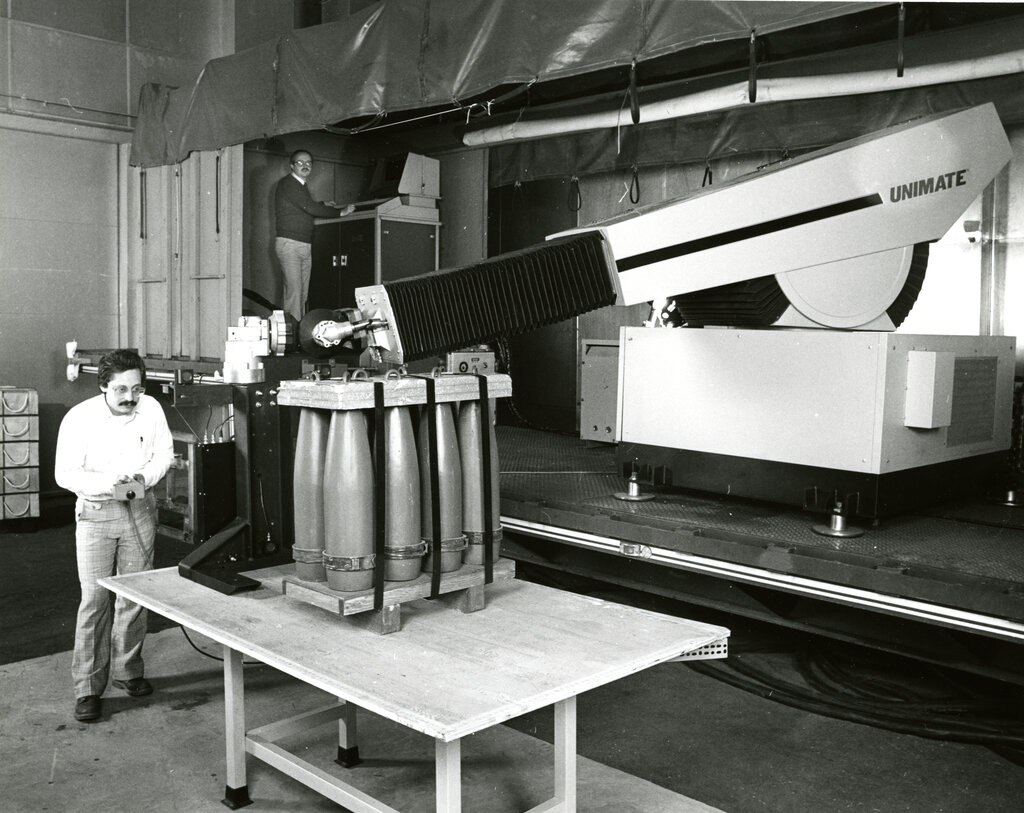
Since then, robots have evolved from simple arms to complex machines that can walk, talk, explore other planets, and even perform surgery. They are no longer just in factories; they're in our homes, hospitals, and schools.
The Building Blocks of a Robot
Regardless of their shape or purpose, most robots share three fundamental components that work together. They have sensors to gather information, a control system to process it, and actuators to perform actions. It's a simple loop: sense, think, act.
Sensors are the robot's senses. They collect data about the world around it. This can include cameras for sight, microphones for sound, touch sensors to feel pressure, and infrared sensors to detect heat or obstacles.
Actuators are the robot's muscles. They are the components that create movement, like motors that turn wheels, gears that move a robotic arm, or pumps that control hydraulics. When the robot's brain decides to do something, it sends a signal to an actuator to make it happen.
The Control System is the robot's brain. It's typically a computer that runs software. It takes the information from the sensors, processes it according to its programming, and sends commands to the actuators. This is where the decision-making happens.
Think of a robotic vacuum. Its sensors detect a wall. The control system processes this and decides to turn. It then tells the wheel actuators to spin in opposite directions, causing the vacuum to change course. This is the sense-think-act cycle in action.
Types of Robots
Robots come in all shapes and sizes, each designed for a specific job. While there are countless varieties, most fall into a few main categories based on how and where they are used.
| Robot Type | Primary Use | Example |
|---|---|---|
| Industrial Robots | Manufacturing and assembly | Robotic arms that weld car parts or package food. |
| Service Robots | Assisting humans directly | Robotic vacuums, lawnmowers, or delivery drones. |
| Medical Robots | Healthcare procedures | Surgical assistants that make precise movements. |
| Exploration Robots | Exploring dangerous or remote areas | Mars rovers, underwater drones for deep-sea research. |
| Educational Robots | Teaching STEM and programming | Kits used in schools to build and program simple robots. |
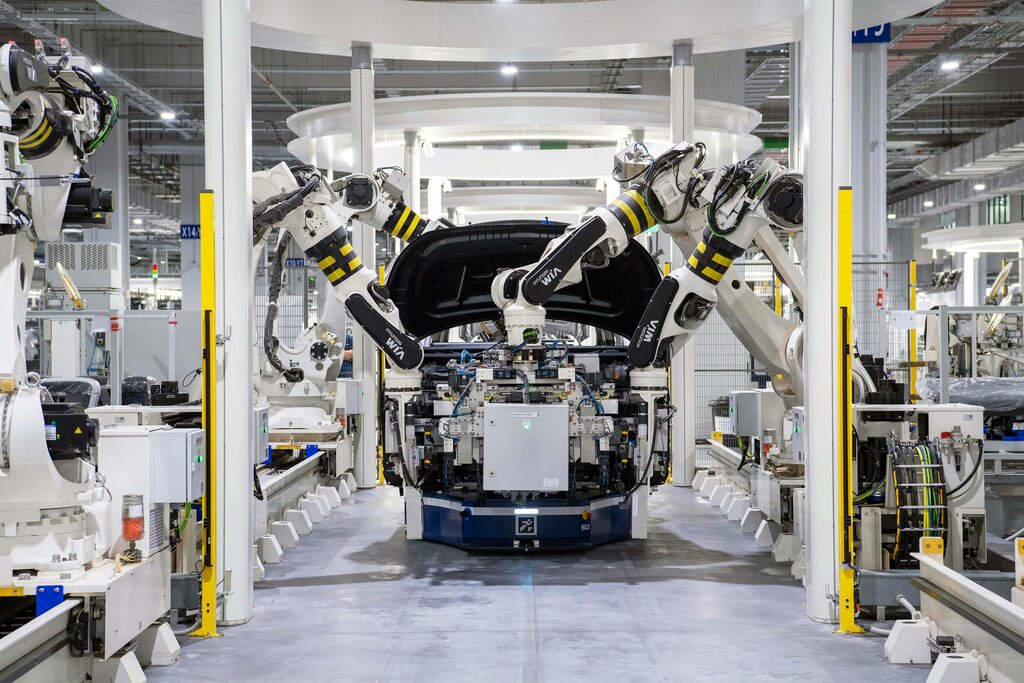
Some robots are pre-programmed to do one repetitive task perfectly, like those on an assembly line. Others are more autonomous, using sensors and sophisticated software to navigate and adapt to changing environments, like a delivery robot navigating a city sidewalk.
Ready to check your understanding? Let's see what you've learned about the fundamentals of robotics.
What is the fundamental cycle of operations that most robots follow?
A robot designed to navigate a busy city sidewalk to deliver a package would be best described as:
From simple automated arms to rovers on other planets, robotics is a field built on the simple but powerful idea of machines that can sense, think, and act on their own.