University Course Design Framework
Understanding Curriculum Design
The Blueprint of Learning
A university's curriculum is more than just a list of required courses. It's the entire educational journey planned for a student over four years. Think of it as the architectural blueprint for a degree. This blueprint defines not only what students learn, but how they learn it, and what skills and knowledge they'll carry with them after graduation. Creating this plan, a process called curriculum design, is a deliberate and thoughtful effort that balances broad goals with specific, practical details.
Starting with Why
Every curriculum begins with the institution's mission. A university's mission statement is its North Star. It declares the school's purpose, values, and the kind of impact it wants to have on its students and the world. A curriculum that isn't aligned with this mission is like a ship without a rudder.
For example, if a university's mission is to foster global citizenship, its curriculum must include international perspectives, foreign language options, and study abroad opportunities. If its focus is on hands-on technical innovation, the curriculum will be heavy on lab work, internships, and project-based courses. This alignment ensures that every course and requirement purposefully contributes to the university's overarching goals.
The curriculum translates the university's abstract mission into a concrete learning experience for every student.
Following the Rules
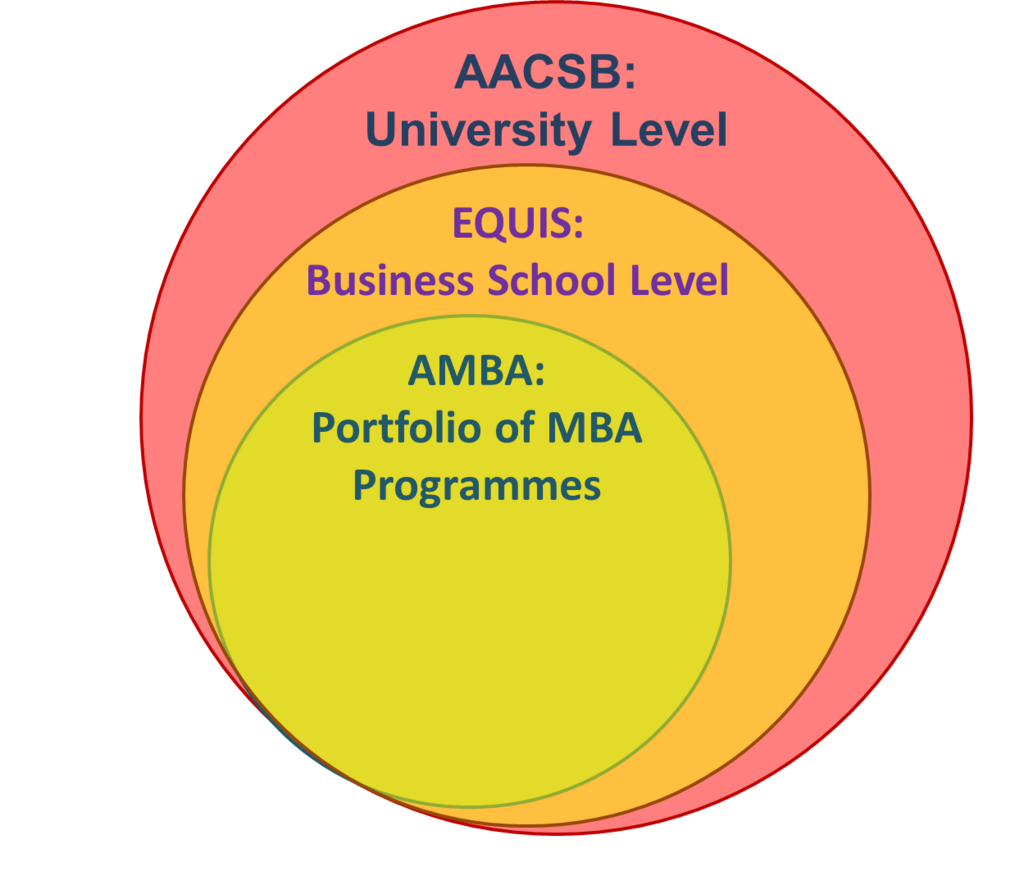
Universities don't design their programs in a vacuum. They must adhere to standards set by accrediting bodies. Accreditation is a process of quality assurance, where an external agency evaluates a university or a specific program to ensure it meets high standards of educational quality.
accreditation
noun
The formal recognition by an external agency that an institution or program meets certain standards of quality.
These standards often dictate core components of the curriculum, such as the number of credits required, the qualifications of the faculty, and the resources available to students. Gaining and maintaining accreditation is crucial; it signals to students and employers that a degree is legitimate and valuable. Some accrediting bodies oversee entire universities, while others focus on specific professional schools, like business or engineering.
A Team Effort
Designing a curriculum is a deeply collaborative process. It involves listening to a wide range of stakeholders, each with a unique and valuable perspective on what students need to succeed.
Key stakeholders include:
- Faculty: As subject matter experts, they provide insight into the core knowledge and skills of a discipline.
- Students: Their feedback on existing courses and their career aspirations helps make the curriculum relevant and engaging.
- Employers and Industry Partners: They provide a real-world view of the skills graduates need to be successful in the job market.
- Alumni: Having completed the program, they can offer perspective on its strengths and weaknesses and how well it prepared them for their careers.
By gathering input from all these groups, a university can create a curriculum that is academically rigorous, professionally relevant, and responsive to the needs of its students.
Choosing a Model
There are many different ways to structure a curriculum. The choice of model depends on the program's goals and the institution's educational philosophy. Here are a few common approaches:
| Model | Focus | Best For... |
|---|---|---|
| Liberal Arts Core | Broad foundational knowledge across humanities, sciences, and arts, followed by a specialized major. | Developing critical thinking, communication, and a well-rounded perspective. |
| Competency-Based | Mastery of specific skills and knowledge, allowing students to progress at their own pace. | Adult learners or programs focused on direct career skills. |
| Problem-Based | Learning is centered around solving complex, real-world problems. | Fields like medicine, engineering, and law that require strong problem-solving abilities. |
| T-Shaped Professional | Deep expertise in one area (the vertical bar of the T) combined with a broad base of knowledge in many areas (the horizontal bar). | Creating adaptable experts who can collaborate across disciplines. |
Most universities use a hybrid approach, combining elements from different models to create a unique educational experience. The goal is always the same: to build a coherent, four-year journey that transforms a student into a knowledgeable and skilled graduate.