Unity Stop Motion Animation
Introduction to Stop Motion Animation
The Magic of Stillness
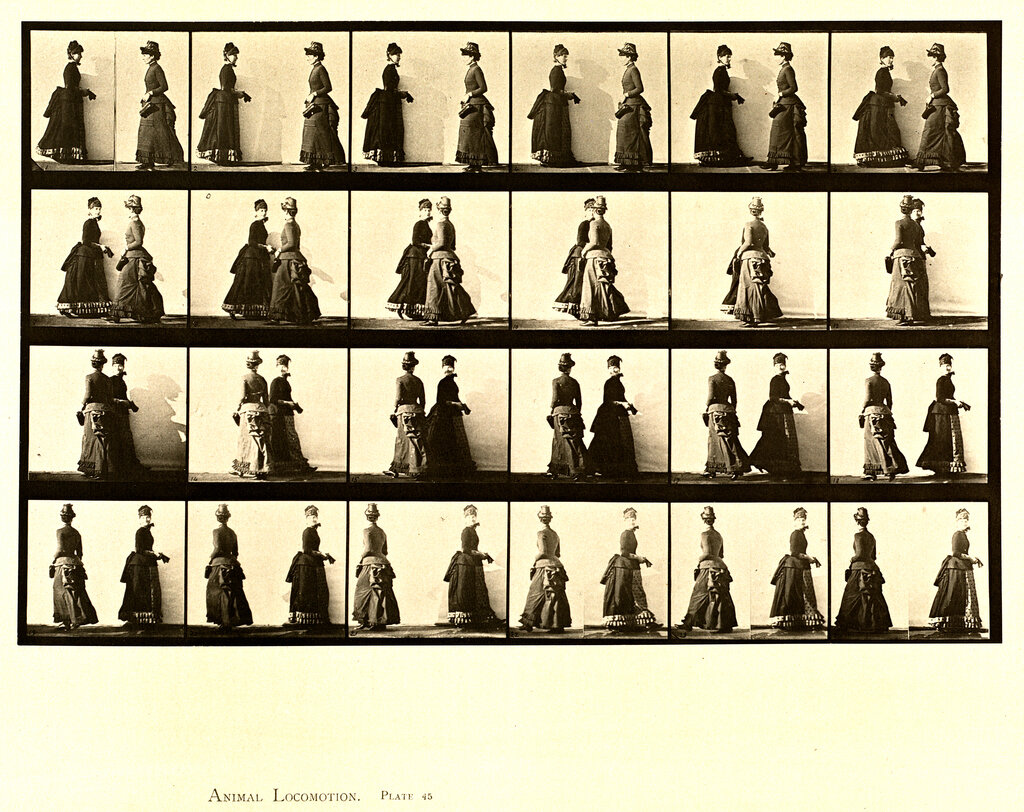
Stop motion animation is a technique where objects are physically moved in small increments and captured one frame at a time. When these individual photographs are played back in a rapid sequence, they create the illusion of movement. Think of it like a flipbook. Each page is a single, static picture, but when you flip through them quickly, the character on the page appears to move.
This method is one of the oldest forms of animation. Long before computer-generated imagery, pioneers like Władysław Starewicz were bringing insects and other puppets to life on screen in the early 1900s. The core principle remains the same today: the magic isn't in the movement itself, but in the series of still images that trick our eyes into seeing it.
Different Forms of Stop Motion
Stop motion isn't just one style; it's a category of animation with several distinct techniques. Each one uses different materials and approaches to achieve the final effect.
The three most common types are claymation, puppet animation, and pixilation.
Claymation uses figures made of clay or a similar malleable material. Because clay is so easy to shape and mold, animators can create fluid, expressive characters that can squash, stretch, and transform in ways other objects can't. Famous examples include the characters Wallace and Gromit.

Puppet animation involves using puppets, typically built around an internal skeleton called an armature. This rigid skeleton allows animators to pose the puppet's limbs and hold that position from one frame to the next. This technique is used for films that require more detailed and consistent character models, like in The Nightmare Before Christmas or Kubo and the Two Strings.
Pixilation is a fascinating technique that uses live actors as the subjects. The process is the same: the actor holds a pose, a photo is taken, they move slightly, and another photo is taken. This can create surreal effects, making people appear to slide across the floor, pop into existence, or interact with inanimate objects in impossible ways.
How It All Works
The illusion of movement in stop motion relies on a principle of human vision. When our eyes see a sequence of still images at a certain speed, our brain blurs them together into a continuous moving picture.
To create this effect, animators shoot a specific number of frames for every second of video, known as the frame rate. For film, the standard is 24 frames per second (fps). However, many stop motion animators work at 12 fps. They photograph each pose twice, a technique called "shooting on twos." This saves time while still producing a smooth enough result. The key is consistency. Each movement, no matter how small, must be captured precisely to create a believable performance.
Let's check your understanding of these fundamental concepts.
What is the core principle that makes stop motion animation work?
An animator is creating a film with detailed characters that have internal skeletons, or armatures, to allow for precise and consistent posing. Which stop motion technique is being used?
Stop motion is a powerful medium that combines sculpture, photography, and storytelling. By understanding these basic principles and techniques, you have the foundation for exploring this unique art form.