Unity NFTs on Ethereum
Introduction to NFTs and Blockchain
What Makes an NFT Special?
Before we can understand a non-fungible token, or NFT, let's talk about what "fungible" means. A dollar bill is fungible. If you and a friend each have a dollar, you can swap them and nothing changes. You both still have a dollar with the same value. They are interchangeable.
Now, imagine you own a one-of-a-kind painting. Your friend owns a different one-of-a-kind painting. You can't just swap them and call it even. Each painting is unique, with its own history and value. They are not interchangeable. That’s what non-fungible means: unique and irreplaceable.
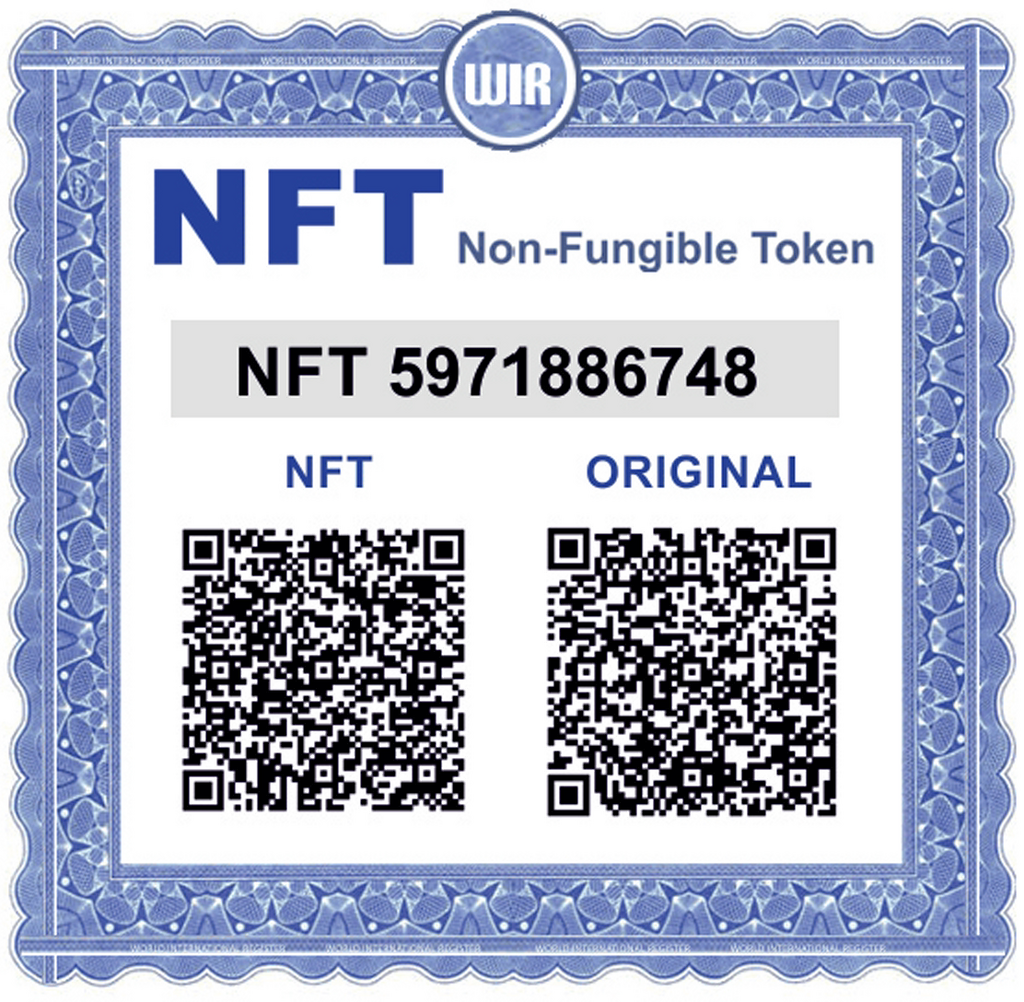
Non-Fungible Token
noun
A unique digital identifier that is recorded on a blockchain and is used to certify ownership and authenticity. It cannot be copied, substituted, or subdivided.
An NFT works the same way for digital items. It’s a certificate of ownership for something that exists in the digital world, whether it's art, a piece of music, an in-game item, or even a ticket to an event. This certificate is unique and can't be forged because it's stored on a secure, public database.
The Blockchain Backbone
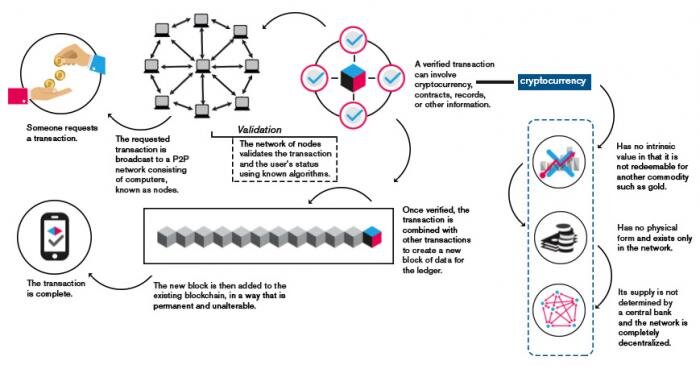
So where is this public database? NFTs live on a technology called a blockchain. You can think of a blockchain as a special kind of digital notebook that is shared among many computers around the world.
When someone buys or sells an NFT, that transaction is recorded as a new entry, or a “block,” in the notebook. This new block is then linked to the previous block, creating a “chain.” Each block cryptographically secures the one before it, making the entire history of ownership permanent and tamper-proof. Because the notebook is shared across thousands of computers, no single person or company can change the records. This decentralized nature is what makes the blockchain so secure.
This public ledger means anyone can look up an NFT and trace its entire history, all the way back to its creation. This transparency verifies who the true owner is and confirms that the item is authentic.
Why Ethereum?
While many blockchains can support NFTs, most are built on Ethereum. That's because Ethereum was designed to be more than just a digital currency. It’s a programmable blockchain, which means developers can build applications on top of it.
One of the key innovations of Ethereum is something called a “smart contract.”
A smart contract is like a regular contract, but it's a program that runs on the blockchain. It automatically executes when certain conditions are met. For NFTs, the smart contract manages ownership, transfer rules, and verifies authenticity.
These self-executing contracts are what make NFTs work. They handle the sale and transfer of an NFT from one person to another without needing a middleman like a bank or a lawyer. The rules are written in code and enforced by the Ethereum network, making the process secure and transparent.
Understanding these three pillars—what makes an NFT unique, how the blockchain secures it, and why Ethereum is the home for most NFTs—is the first step to working with digital assets in any environment.