Units and Measurements Explained
Measurement Systems
Two Ways to Measure
Have you ever followed a recipe from another country and seen measurements in grams instead of cups? Or watched a movie where speed is in kilometers per hour instead of miles per hour? This happens because the world uses two main systems for measuring things: the International System of Units (SI), often called the metric system, and the Imperial system.
The International System (SI)
The SI system is the most widely used measurement system in the world. It was created in France during the 1790s, after the French Revolution. The goal was to create a system that was logical, consistent, and based on the natural world. Scientists and leaders wanted to replace the confusing and inconsistent units used across different regions.
The system they designed is based on powers of 10, which makes calculations straightforward. Because of its simplicity and consistency, it has been adopted by nearly every country for both scientific and everyday use.
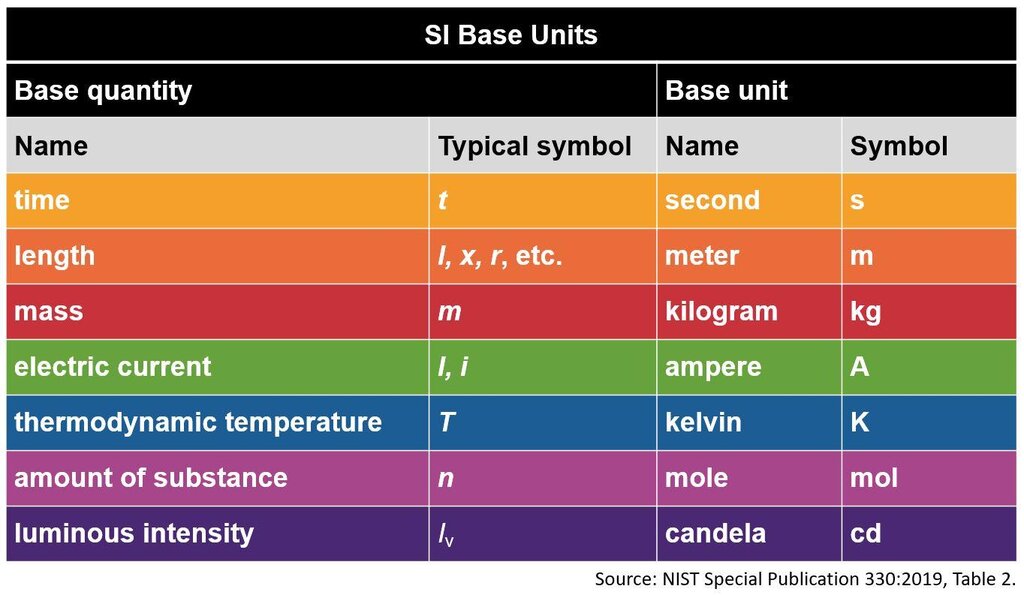
The SI system is built on seven base units. For everyday measurements, the most common ones are the meter for length, the kilogram for mass, and the second for time. Other units, like those for volume (liter) or force (newton), are derived from these base units.
The beauty of the SI system is its use of prefixes. A 'kilo' is always 1,000 times the base unit, and a 'milli' is always one-thousandth of it, whether you're measuring meters, grams, or liters.
The Imperial System
The Imperial system, sometimes called the customary system, has a more complicated history. It evolved in Great Britain over many centuries, with roots in Roman and Anglo-Saxon units. These units were often based on practical, everyday things. For example, a 'foot' was originally based on the length of a human foot.
This system was formalized in the British Weights and Measures Act of 1824 and spread throughout the British Empire. Unlike the SI system, the relationships between units are not based on powers of 10. For instance, there are 12 inches in a foot, and 16 ounces in a pound.
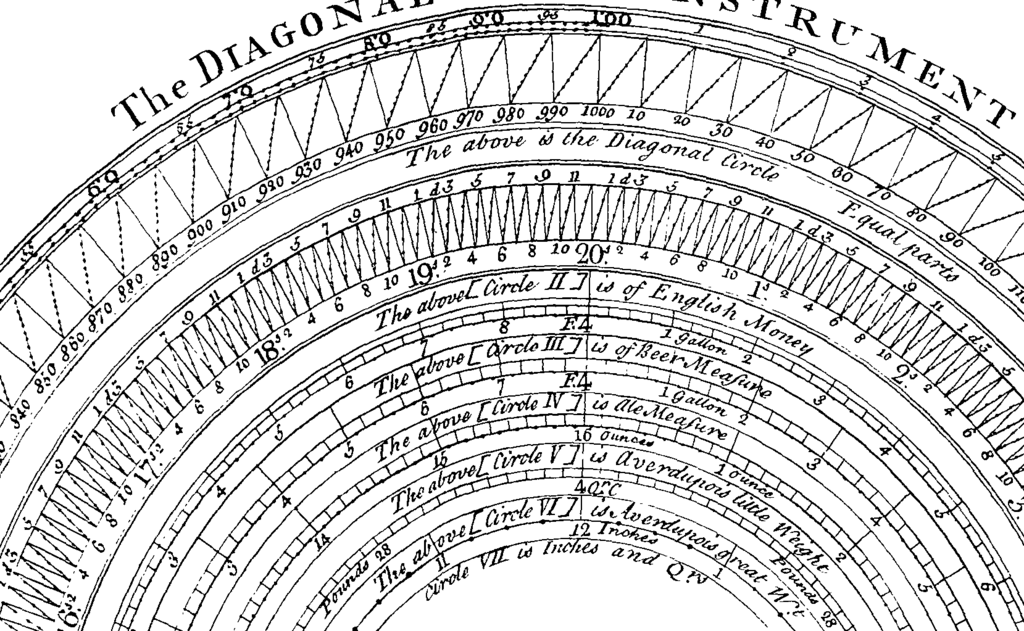
Today, the Imperial system is officially used in only a few countries, most notably the United States. You'll encounter it in everyday life there for measuring length (inches, feet, yards, miles), weight (ounces, pounds, tons), and volume (fluid ounces, cups, pints, quarts, gallons).
Comparing the Systems
Here’s a quick look at the common units for some basic quantities in each system. Notice that both systems use the second for time.
| Quantity | SI Unit | Imperial Unit |
|---|---|---|
| Length | meter (m) | foot (ft) |
| Mass | kilogram (kg) | pound (lb) |
| Time | second (s) | second (s) |
| Volume | liter (L) | gallon (gal) |
Knowing that both systems exist is the first step to understanding measurements anywhere in the world. Whether you're dealing with meters or feet, kilograms or pounds, you're simply using a different language to describe the same physical world.
What is the primary reason the SI system is considered logical and straightforward for calculations?
Which of the following units is a base unit for mass in the SI system?