Unitarianism in America A Historical Survey
Origins of Unitarianism
Reason Enters the Church
In the 18th century, a powerful intellectual movement known as the Enlightenment swept across Europe and the American colonies. It championed reason, individual experience, and scientific inquiry as the primary sources of authority. This new way of thinking didn't stop at the church door. It prompted many to re-examine long-held religious beliefs through the lens of logic and human understanding.
At the time, most churches in New England were Congregationalist, following a strict Calvinist tradition. Doctrines like predestination and original sin were central. But some ministers and laypeople, influenced by Enlightenment ideals, began to feel that these teachings were at odds with a rational and benevolent God. They started to emphasize human goodness, free will, and a more moral, less dogmatic approach to faith.

This shift created a tension within established churches. The new, liberal-minded Christians argued that religion should be simple, reasonable, and focused on ethical living, rather than complex, mysterious doctrines. This set the stage for a major theological split.
The Unity of God
The most significant point of disagreement was the doctrine of the Trinity. Traditional Christianity holds that God exists as three co-equal persons in one being: the Father, the Son (Jesus Christ), and the Holy Spirit. For the emerging liberal Christians, this concept seemed illogical and unsupported by a rational reading of the Bible. They argued for the strict unity, or oneness, of God. Because of this core belief, they became known as Unitarians.
This wasn't just a minor theological debate. Rejecting the Trinity meant rejecting the divinity of Jesus, a cornerstone of orthodox Christianity. Unitarians saw Jesus as an exceptional human being, a great moral teacher and prophet sent by God, but not God himself. This was a radical departure that fundamentally changed one's relationship to scripture and worship.
Unitarianism's central break with traditional Christianity was its rejection of the Trinity in favor of the belief in a single, unified divine being.
From Pulpit to Pew
These liberal ideas gradually spread through New England's established Congregational churches. The change was often slow, happening one congregation at a time. A minister educated at Harvard, which had become a center of liberal thought, might begin preaching sermons that emphasized God's benevolence and downplayed strict Calvinist doctrines. Over years, the congregation's beliefs would shift along with him.
The first church in America to officially adopt a Unitarian theology was King's Chapel in Boston. Originally an Anglican church, its congregation voted in 1785 to revise its prayer book, removing all references to the Trinity. This bold move marked the first formal establishment of a Unitarian congregation in the United States.
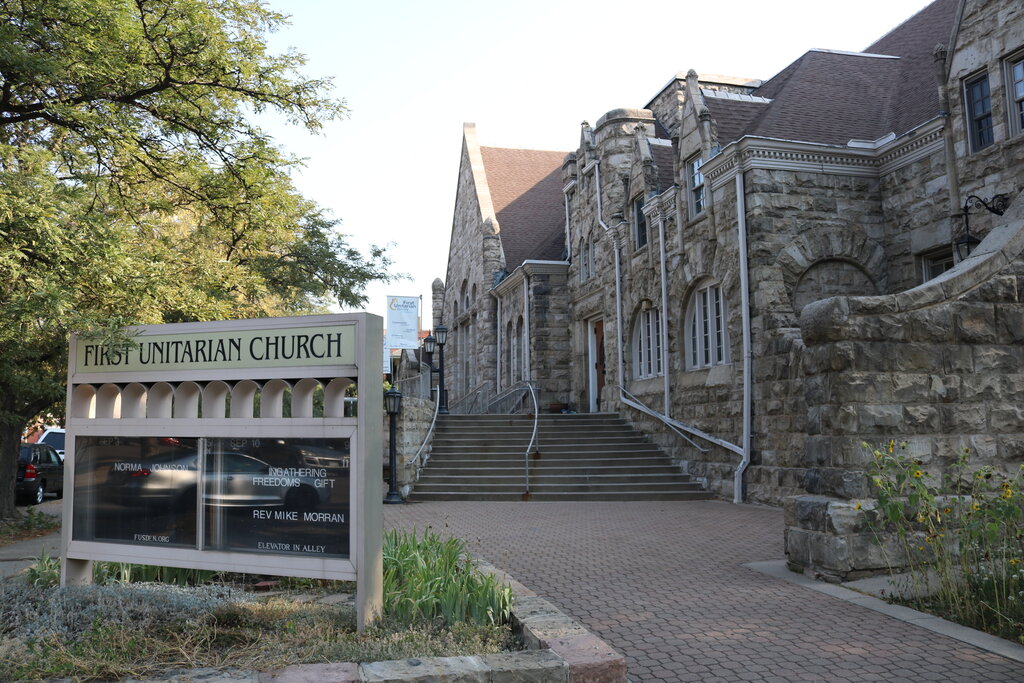
Over the next few decades, many more of New England's oldest and most established Congregational churches followed suit, voting to embrace Unitarianism. This split, known as the Unitarian Controversy, permanently reshaped the religious landscape of America.
The intellectual movement that most directly influenced the shift towards liberal Christianity in 18th-century New England was the...
The core theological belief that gave Unitarians their name was their rejection of the doctrine of the Trinity in favor of the strict unity of God.
This early history laid the groundwork for a distinct religious movement that would continue to evolve in the centuries to come.