Unique Rome to Sicily Trip Planning
Trip Planning Basics
Starting Your Italian Adventure
Planning a trip from the ancient heart of Rome to the sun-drenched shores of Sicily is exciting. But before you start booking hotels or dreaming of cannoli, a little groundwork will ensure your journey is smooth, memorable, and fits your style. The best trips don't just happen; they're thoughtfully planned.
Good planning is about making choices ahead of time so you can relax and enjoy the moment when you're actually there.
This first phase is all about the big picture. We won't build a day-by-day schedule just yet. Instead, we'll focus on the three pillars of any great trip: what you want to do, how much time you have, and what you want to spend.
Goals, Time, and Budget
First, ask yourself: What kind of trip do I want? The answer sets the course for everything else. Are you a history buff eager to walk through Roman ruins and Greek temples? A foodie on a quest for the best pasta and arancini? Or are you looking to unwind on Sicily's famous beaches?
Defining your primary goal helps you filter out distractions. If it's a culinary tour, you'll prioritize market visits and cooking classes over spending a full day in a museum. If it's all about history, you might plan your route around key archaeological sites.
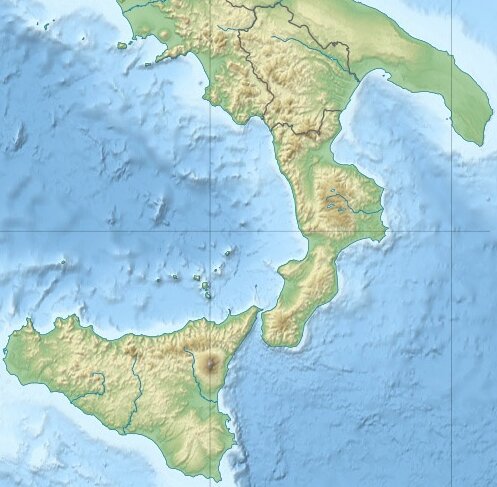
Next, consider your trip's duration. How many days do you have? A week is enough for a quick highlights tour, maybe Rome and one or two spots in Sicily. Two weeks allows for a more relaxed pace, letting you explore smaller towns and soak in the local culture. Be realistic about travel time; getting from Rome to Sicily will take up a good chunk of a day.
A common mistake is trying to cram too much in. It's better to fully experience three cities than to rush through six. Remember that less is often more.
Finally, let's talk budget. It's not the most glamorous part of planning, but it's essential. Think of your budget in four main categories:
| Category | What it Covers |
|---|---|
| Transportation | Flights, trains, ferries between cities, plus local transit like buses or metros. |
| Accommodation | Hotels, B&Bs, or rental apartments. |
| Activities | Museum tickets, guided tours, cooking classes, boat trips. |
| Food & Drink | From morning cappuccinos to gelato and dinner. |
You don't need exact figures yet, but having a general idea for each category will guide your decisions. If your transportation budget is tight, you might opt for a slower overnight ferry instead of a flight. If food is your priority, you might allocate more there and choose simpler accommodations.
Connecting the Dots
With your goals and budget in mind, you can start researching how to get from place to place. Traveling from Rome to Sicily presents a few interesting options, each with its own trade-offs in time, cost, and experience.
A quick online search will give you a sense of prices and travel times for flights, direct trains, or ferries. This research helps make your budget more concrete and might even influence your itinerary. For example, if you discover a cheap flight into Catania but your main interest is Palermo, you'll need to factor in the time and cost of traveling across the island.
This is also the time for fun research. Read travel blogs, look at photos, and watch videos about your potential destinations. Make a list of experiences that excite you, whether it's climbing Mount Etna, exploring the Valley of the Temples, or simply finding the best gelato shop in Taormina. This list of 'must-dos' will be the foundation for building your detailed itinerary later.
According to the planning guide, what are the three foundational pillars to establish before creating a detailed itinerary?
You are planning a one-week trip to Italy with a tight budget. Your main goal is to experience historical sites. Which decision best aligns with the principles in the guide?
By setting clear goals, a realistic timeline, and a basic budget, you've already done the most important work. You've created a solid framework for a fantastic trip.