Unicorns Real or Myth
Unicorns in Mythology
The First Unicorns
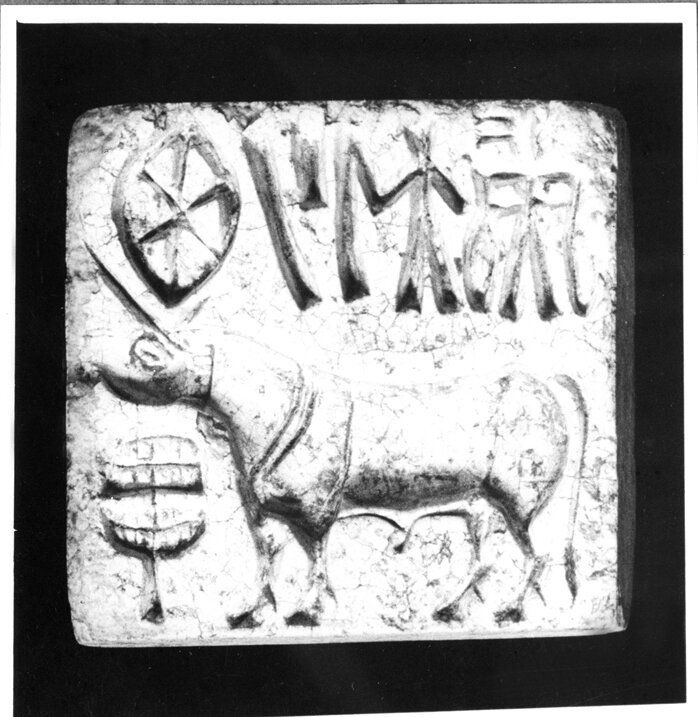
The unicorn wasn't always the gentle, horse-like creature we imagine today. Early accounts from Greek writers in the 4th century BCE described fierce, wild asses in India that were impossible to capture. These animals were said to be white with a single horn on their forehead—red at the tip, black in the middle, and white at the base.
This creature, described by the historian Ctesias, was known for its speed and strength. Its horn was believed to have healing properties, capable of neutralizing poison and curing diseases. This wasn't a magical beast of fantasy, but a powerful animal reported as fact in early works of natural history.
A Symbol of Purity
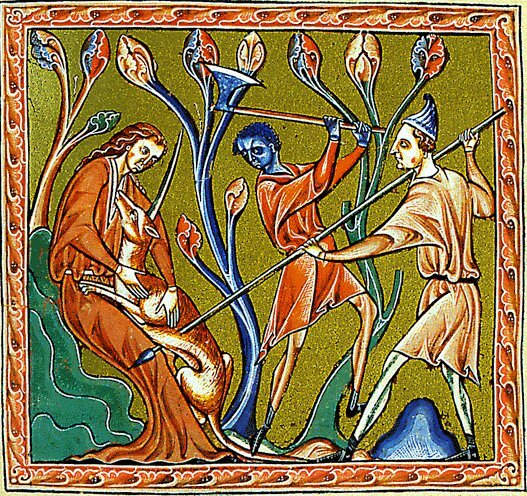
During the Middle Ages in Europe, the unicorn's image underwent a major transformation. It became a powerful symbol of purity, innocence, and even Christ. The wild, untamable beast of ancient texts was reimagined as a creature that could only be approached by a virgin.
This symbolism was captured in art and literature, most famously in bestiaries—medieval books of animals. In these stories, hunters would use a maiden as bait to lure the unicorn, which would lay its head in her lap. Once subdued by her purity, it could be captured or killed. This allegory represented Christ's incarnation through the Virgin Mary.
Creatures of a Single Horn
The concept of a single-horned animal isn't unique to European mythology. Similar creatures appear in legends across the world, each with its own distinct character and meaning. Two of the most fascinating examples come from Persian and Chinese folklore.
Karkadann
noun
A mythical creature from Persian and Arabic folklore, often described as a fierce, solitary rhinoceros or unicorn capable of fighting elephants.
Unlike the pure European unicorn, the Karkadann was a symbol of raw, untamed power. It was a terrifyingly aggressive creature, so ferocious that it was said to drive away all other animals. Its horn was believed to have magical properties, but obtaining one was a near-impossible task due to the creature's violent nature.
Qilin
noun
A mythical hoofed creature in Chinese and other East Asian mythologies, said to appear with the imminent arrival or passing of a sage or illustrious ruler.
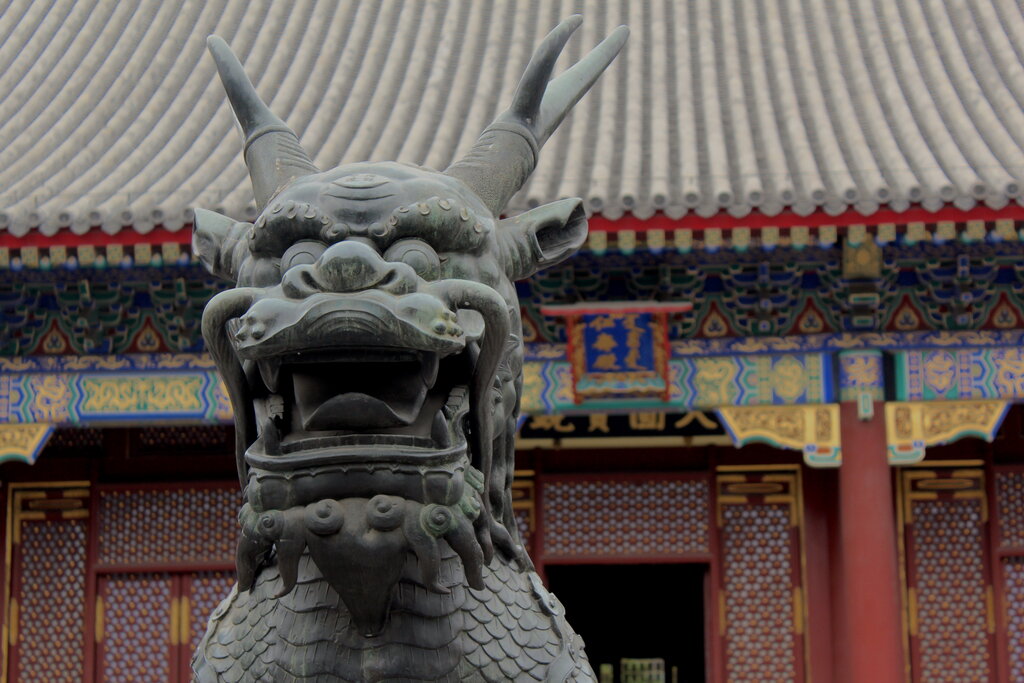
The Qilin (or Kirin in Japan) offers another contrast. It is a peaceful and benevolent creature, often depicted with the body of a deer, the head of a dragon, the hooves of a horse, and a single horn. The Qilin's appearance is an omen of good fortune, signaling the birth of a wise ruler or a period of great peace.
It is so gentle that it is said to walk on clouds to avoid harming a single blade of grass. Where the European unicorn represents purity and the Karkadann ferocity, the Qilin embodies serenity, justice, and wisdom.
Let's review what you've learned about these mythical creatures.
According to early Greek accounts from writers like Ctesias, the unicorn was described as what kind of animal?
In medieval European lore, how was a unicorn typically captured?
From wild beast to serene sage, the single-horned creature has captured the human imagination across cultures and centuries, reflecting a wide range of values.