Unicorns and Third-Party LLMs
Introduction to Large Language Models
What Is a Large Language Model?
At its core, a large language model (LLM) is an advanced AI designed to understand and generate human-like text. Think of it as a student who has read a library the size of the entire internet. This vast knowledge allows it to converse, summarize long documents, translate languages, and even write creative stories or code.
Large language models (LLMs) are AI systems that understand and create human language, doing tasks like summarizing articles, answering questions, writing code, and more.
The goal isn't just to repeat information but to grasp the patterns, context, and nuances of language. By analyzing relationships between words and ideas on a massive scale, LLMs can handle a wide array of tasks that require linguistic intelligence.
A Brief History
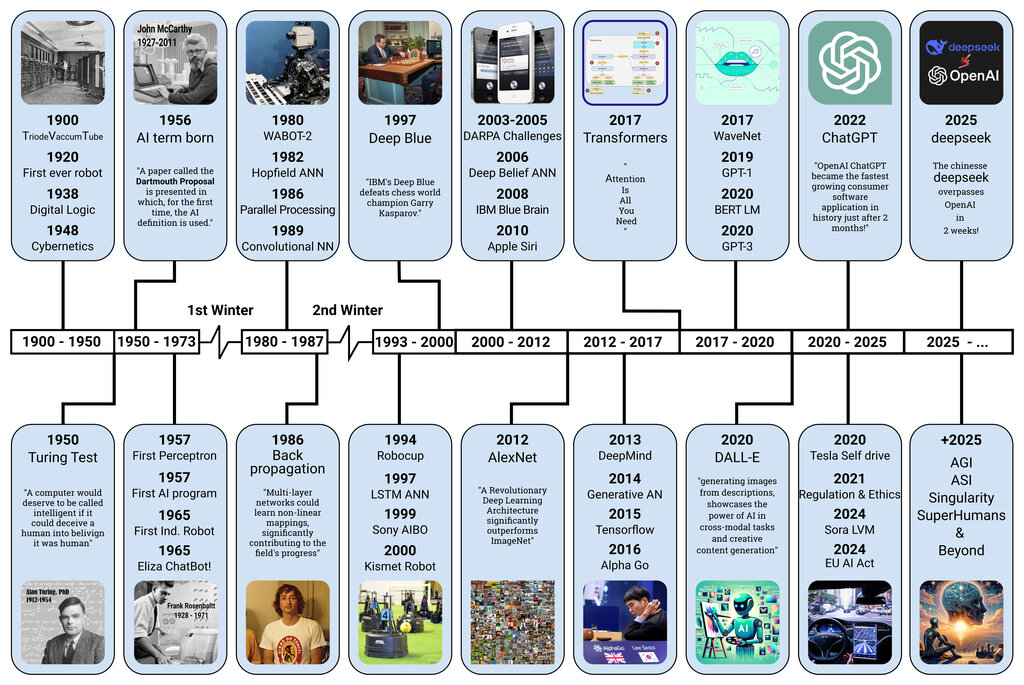
The journey to today's LLMs began with much simpler language models. Early versions, known as statistical models, tried to predict the next word in a sentence by looking at the few words that came before it. They could create some plausible sentences, but they often lacked long-term coherence and couldn't grasp the deeper meaning of a text.
The real breakthrough came in 2017 with the invention of the Transformer architecture. This new design introduced a concept called the "attention mechanism," which allowed the model to weigh the importance of different words in the input text. Instead of just looking at the immediate neighbors of a word, it could pay attention to words far apart in a sentence or paragraph, giving it a much better sense of context. This was a game-changer.
Models built on this architecture, like GPT (Generative Pre-trained Transformer), started to grow much larger and more capable, leading to the powerful tools we have today.
How They Learn
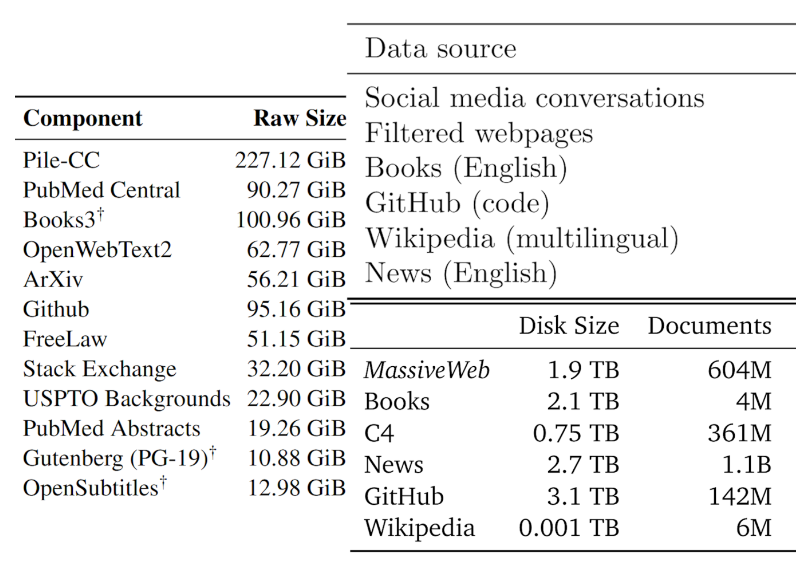
Training an LLM is like teaching a student through immense exposure to information. The process starts with a massive dataset of text and code, scraped from books, articles, websites, and more. This dataset can contain trillions of words. During the initial training phase, called pre-training, the model's goal is simple: predict the next word in a sequence. It reads a sentence, guesses the next word, and compares its guess to the actual word. If it's wrong, it adjusts its internal parameters to make a better guess next time. It repeats this process billions of times.
Through this repetitive process of prediction and correction, the model learns grammar, facts, reasoning abilities, and even biases from the training data.
After pre-training, many models go through a fine-tuning stage. Here, humans get involved to refine the model's behavior. They might provide examples of high-quality answers or rank different model responses to guide it toward being more helpful, accurate, and safe. This step is crucial for making the LLM a useful tool for specific applications.
What Can LLMs Do?
The general-purpose nature of LLMs makes them incredibly versatile. Their ability to process and generate language has unlocked applications across many industries.
In business, they can power chatbots for customer service, analyze customer feedback, or automate the drafting of emails and reports. For software developers, they act as coding assistants, helping to write, debug, and explain code. In education, they can create personalized learning materials or help students with writing assignments.
Creative professionals use LLMs for brainstorming, writing scripts, or generating marketing copy. In healthcare, they can summarize medical literature or help draft patient notes. The list of applications is constantly growing as the technology continues to evolve.
Let's test your understanding of these core concepts.
What was the key architectural innovation introduced in 2017 that significantly improved the performance of language models?
What is the primary goal of the "pre-training" phase for an LLM?
Large language models are a foundational part of modern AI. By understanding their architecture, training, and applications, you're ready to explore more advanced topics in how these powerful systems are built and used.