UNESCO World Heritage Sites Explained
Introduction to UNESCO and World Heritage
A Global Mission for Culture
The United Nations Educational, Scientific and Cultural Organization, or UNESCO, was founded in 1945. Its core belief is that peace must be built not just on political and economic agreements, but on humanity's shared intellectual and moral foundation. Essentially, understanding and respecting each other's cultures and achievements is a powerful way to avoid conflict.
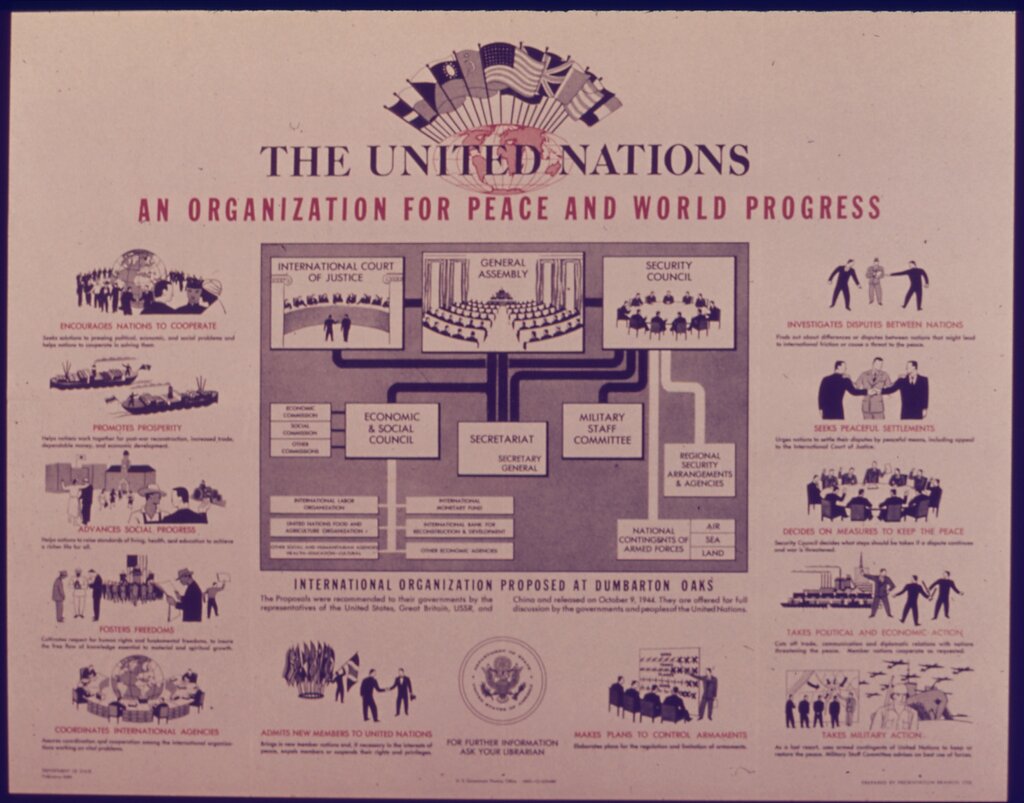
UNESCO works on many fronts, from promoting literacy to advancing scientific research. One of its most visible and important jobs is protecting the world's cultural and natural heritage. The organization believes that some places on Earth are so special, they don't just belong to one country. They are part of a shared inheritance that belongs to everyone.
The World Heritage Convention
After World War II, many historical sites were in ruins. This sparked a global conversation about protecting humanity's most precious places. This idea gained momentum, leading to the adoption of the World Heritage Convention in 1972. It’s an international agreement with a straightforward goal: to identify and safeguard places of immense cultural or natural importance for future generations.
By signing the Convention, countries pledge to protect the World Heritage sites on their territory. They also agree to help protect the sites in other countries, creating a network of international cooperation. It’s a collective promise to look after our planet’s most irreplaceable treasures.
What Makes a Site Special?
To be included on the World Heritage List, a site must have "outstanding universal value." This is the core concept of the Convention. It’s a high bar to clear.
Outstanding universal value means a site has cultural and/or natural significance so exceptional that it transcends national boundaries. Its preservation is important for all of humanity, both now and in the future.
This value doesn't just mean a place is beautiful or old. It means the site tells a unique story about our planet's history, human creativity, or our relationship with nature. It could be a breathtaking natural wonder like the Grand Canyon or a masterpiece of human genius like the Pyramids of Giza.
The World Heritage List
The result of the Convention is the famous World Heritage List. This list is a collection of the world's most amazing places, from ancient archaeological sites and historic cities to vast forests and unique ecosystems. Being on the list is a mark of global prestige.
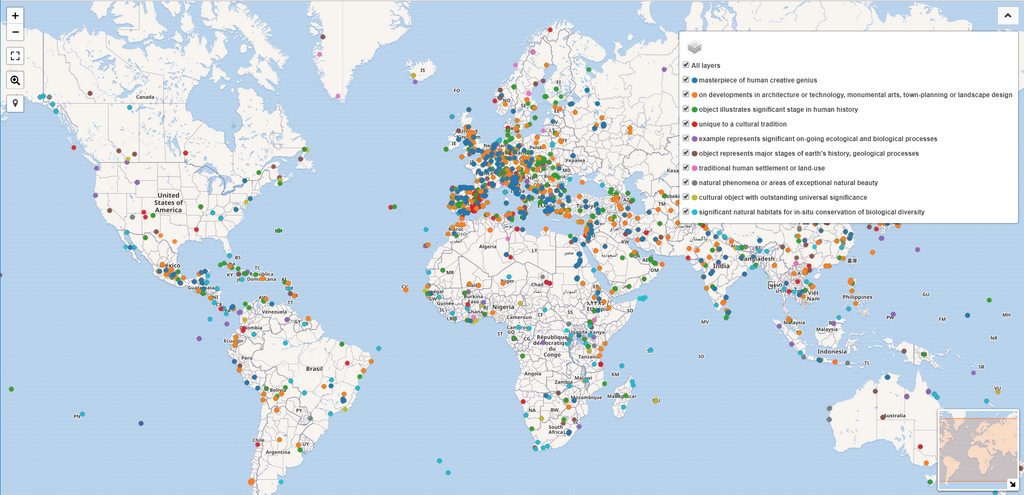
The list has a powerful global impact. It raises awareness and encourages tourism, which can bring economic benefits to local communities. More importantly, it acts as a tool for conservation, drawing international attention to sites that might be threatened by development, conflict, or climate change. It’s a way for the world to come together and agree that some places are simply too important to lose.
Let's review what we've learned.
What is the core belief that led to the founding of UNESCO?
What is the primary purpose of the World Heritage Convention adopted in 1972?
This framework of international cooperation helps ensure that humanity's greatest achievements and nature's most stunning creations are preserved for everyone.