Unearthing Your Next Passion
Understanding Curiosity
What Is Curiosity?
Curiosity is the spark that ignites learning. It’s the deep-seated desire to understand the world, to ask “why,” and to seek out answers. It goes beyond simple inquisitiveness; it’s a mindset of exploration and a willingness to venture into the unknown. Think of it as the engine for intellectual growth. Without it, learning can feel like a chore. With it, every day presents an opportunity for discovery.
Curiosity
noun
A strong desire to know or learn something; the quality of being inquisitive.
This powerful trait isn't just for children asking endless questions. In adults, curiosity fuels innovation, strengthens relationships, and improves problem-solving. A curious mind is an active mind, constantly making new connections and challenging old assumptions. It’s a fundamental part of what makes us human and is essential for personal and professional development.
Curiosity is the engine of learning.
The Lifelong Learning Connection
Lifelong learning isn't about endlessly collecting degrees or certifications. It's about maintaining a curious, open, and adaptable mind throughout your life. Curiosity is the foundation of this practice. It transforms learning from a passive reception of facts into an active pursuit of understanding. When you're curious, you're not just memorizing information; you're engaging with it, questioning it, and connecting it to what you already know.
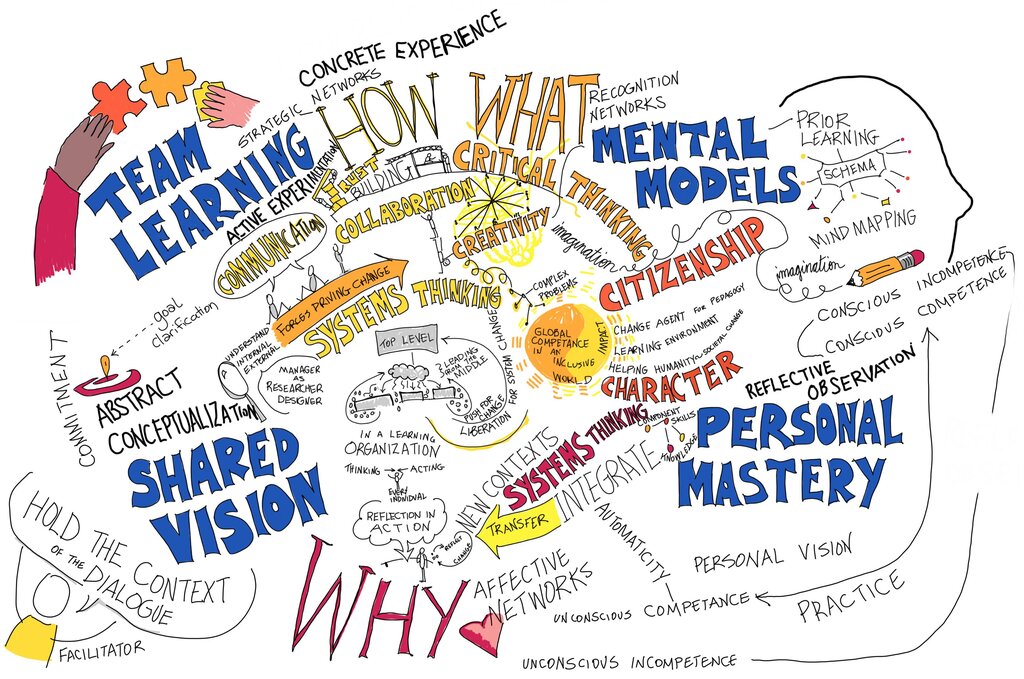
The benefits are significant. A curious mindset makes learning more enjoyable and effective. Studies show that when we are curious about a topic, our brains are more receptive to learning and we retain information better. This leads to deeper knowledge, enhanced creativity, and a greater sense of personal satisfaction. Professionally, curious people are often seen as more adaptable and better equipped to handle new challenges.
What Stops Us?
If curiosity is so beneficial, why do we sometimes lose it as we get older? Several common barriers can stand in our way, often without us even realizing it.
| Barrier | Description |
|---|---|
| Fear | The fear of asking a "dumb" question, of being wrong, or of stepping into unfamiliar territory can be paralyzing. |
| Assumptions | Believing you already know the answer or that a topic is boring closes the door to new discoveries. |
| Time Constraints | In a busy world, it's easy to feel like you don't have time to explore tangents or indulge your interests. |
| Fixed Mindset | The belief that your intelligence and abilities are static can discourage you from trying to learn new things. |
These barriers create a comfort zone that can feel safe but ultimately limits growth. Recognizing them is the first step toward breaking them down.
Reigniting Your Curiosity
The good news is that curiosity is like a muscle. The more you use it, the stronger it gets. You can actively cultivate a more curious mindset with a few simple strategies.
Actively ask 'Why?' Start asking this question about things you encounter every day, even things you think you already understand. It pushes you to look past the surface.
Another strategy is to embrace being a beginner. Give yourself permission to not know things. Approach new subjects with an open mind, free from the pressure of having to be an expert right away. View moments of uncertainty not as failures, but as opportunities to learn something new.
Finally, deliberately expose yourself to different perspectives. Read books on subjects you know nothing about, listen to podcasts from different fields, or talk to people with backgrounds unlike your own. Stepping outside your intellectual bubble is one of the fastest ways to spark new questions and interests.
According to the provided text, what is the fundamental role of curiosity in the process of learning?
Which of the following is presented as a key strategy for cultivating a stronger sense of curiosity?
Cultivating curiosity is a journey, not a destination. By understanding what it is and how to nurture it, you set the stage for a more engaged and fulfilling life of learning.