Understanding Your Computer
Introduction to Computers
What Is a Computer?
At its heart, a computer is an electronic device that processes data. It takes in raw facts (input), manipulates them according to a set of instructions (processing), and presents the result as useful information (output). Think of it as a highly efficient assistant for handling information.
Every action a computer performs boils down to four fundamental operations: input, processing, storage, and output. You provide input with a keyboard or mouse. The computer processes that input using its internal components. It might store the result temporarily or long-term. Finally, it delivers the output to a screen or printer.
A computer isn't just one single item. It's a complete system. This system has two main parts: hardware and software. Hardware refers to the physical components you can touch—the screen, the keyboard, the chips inside. Software is the set of instructions, or programs, that tells the hardware what to do.
Neither part is useful without the other. Hardware without software is like a car with no driver; it has potential but can't perform any tasks. Software without hardware is like a driver with no car; the instructions exist, but there's nothing to execute them. Together, they form a functional computer system.
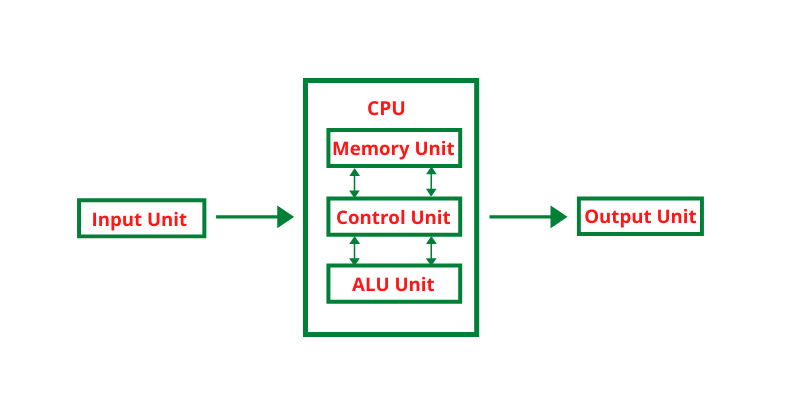
The primary role of a computer is to convert raw, unorganised data into meaningful, organised information.
Now, let's check your understanding of these core concepts.
What is the primary function of a computer?
The physical components of a computer system that you can touch, such as the keyboard and monitor, are known as what?
Understanding this basic data flow and the relationship between hardware and software is the foundation for everything else in computing.