Understanding Your Blood Tests
Introduction to Blood Tests
A Look Inside
A blood test is a routine procedure that analyzes a small sample of your blood. Think of it as a snapshot of what’s happening inside your body. Doctors use these tests to check how your organs are working, look for signs of disease, and monitor your overall health.
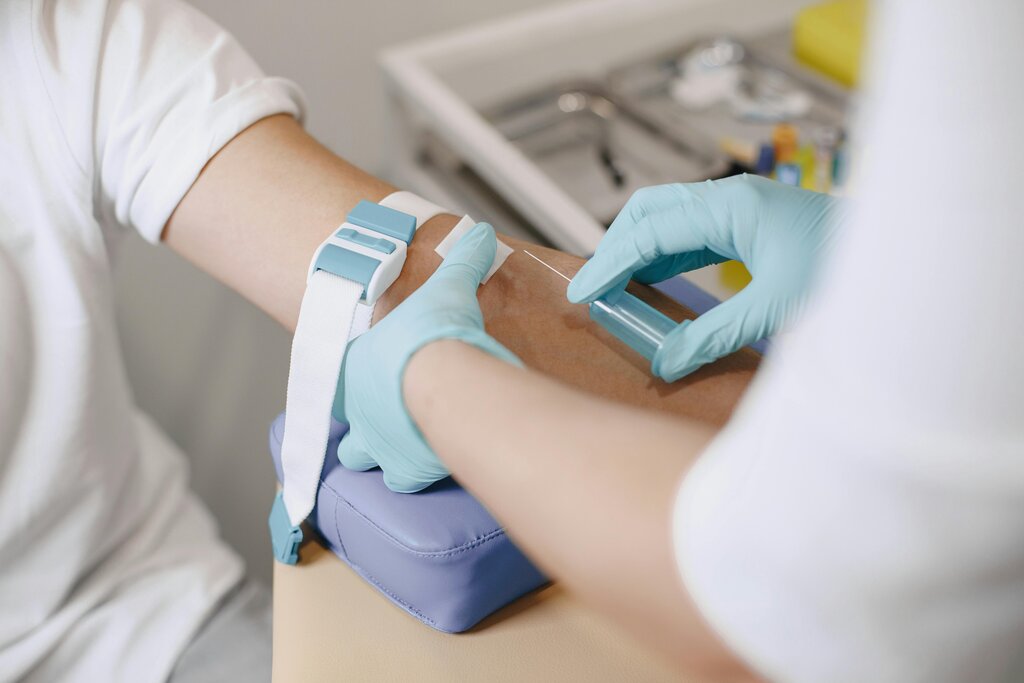
Collecting the sample is a quick process. Most often, a healthcare professional called a phlebotomist will draw blood from a vein in your arm, usually at the elbow. This is called venipuncture. A tight band, or tourniquet, is wrapped around your upper arm to make the veins more visible. After cleaning the area, a small needle is inserted to collect the blood into one or more vials.
For some tests, like a blood sugar check, only a drop of blood is needed. This can be collected with a quick prick of your fingertip.
What a Blood Test Reveals
Your blood is made of different components, each with a specific job. Lab tests measure the levels of these components to see if they fall within a normal range. The main parts of your blood are plasma, red blood cells, white blood cells, and platelets.
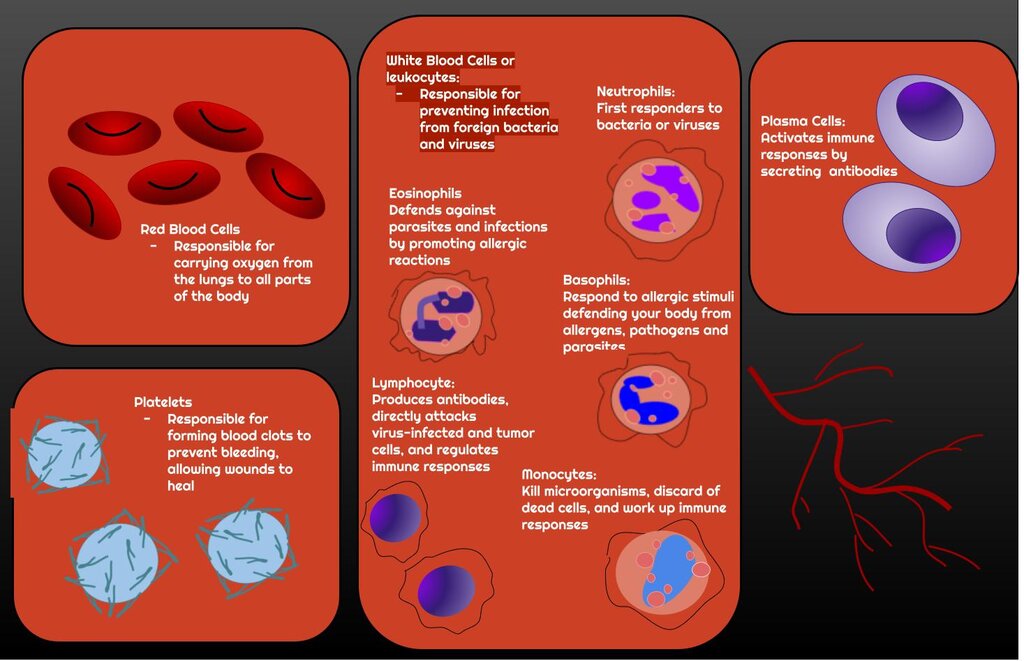
Doctors can order many different kinds of blood tests. Some are broad, checking for a wide range of things, while others look for something specific. Here are a few common ones:
| Test | What It Measures | Why It's Done |
|---|---|---|
| Complete Blood Count (CBC) | Levels of red cells, white cells, and platelets. | To check for infection, anemia, and other disorders. |
| Basic Metabolic Panel (BMP) | Key chemicals and electrolytes in your blood. | To check kidney function, blood sugar, and electrolyte balance. |
| Lipid Panel | Levels of cholesterol and triglycerides. | To assess your risk for heart disease. |
| Liver Function Tests | Levels of enzymes and proteins made by the liver. | To check the health of your liver. |
A Window Into Your Health
Blood tests are a cornerstone of modern medicine. They provide crucial information that helps doctors make informed decisions about your health. They can reveal a health problem in its early stages, sometimes before you even have symptoms.
A blood test can be used to diagnose diseases, monitor illnesses, determine how your organs are functioning, and in some cases, catch potential health problems in their early stages.
If you have a chronic condition like diabetes or high cholesterol, regular blood tests help your doctor monitor how well your treatment is working and make adjustments if needed. They offer a reliable way to track changes over time, giving you and your doctor a clear picture of your health journey.
Now, let's test what you've learned.
What is the primary purpose of a blood test in medicine?
The process of drawing blood from a vein in the arm is known as:
Blood tests are a fundamental tool for understanding and managing health, providing valuable insights from just a small sample.