Understanding Your AI Assistant
Introduction to Large Language Models
What Are Large Language Models?
Large Language Models, or LLMs, are a type of artificial intelligence designed to understand and generate human-like text. Think of them as incredibly advanced prediction engines. If you give them a piece of text, like "The cat sat on the...", they can predict the most likely next word, which in this case might be "mat."
But they go far beyond simple autocomplete. Because they are trained on vast amounts of text from books, articles, and websites, they learn the intricate patterns, grammar, context, and nuances of language. This allows them to perform complex tasks like writing essays, translating languages, and answering questions in a conversational way.
A Large Language Model (LLM) is a type of artificial intelligence program designed to understand, generate, and work with human language.
The Engine Inside: Transformers
The technology that powers most modern LLMs is called the transformer architecture. Before transformers, AI models would read text word-by-word in sequence, like a person reading a book. This made it difficult for them to remember the context from the beginning of a long sentence by the time they reached the end.
Transformers changed the game with a mechanism called attention. Attention allows the model to look at all the words in a sentence at once and weigh the importance of each word in relation to others. It can figure out which words are most relevant to understanding the meaning of any given word.
For example, in the sentence "The robot picked up the heavy metal block because it was strong," the attention mechanism helps the model understand that "it" refers to the "robot," not the "block." This ability to grasp context across long stretches of text is what makes LLMs so powerful.
How an LLM Goes to School
Training an LLM is a massive undertaking that happens in two main stages.
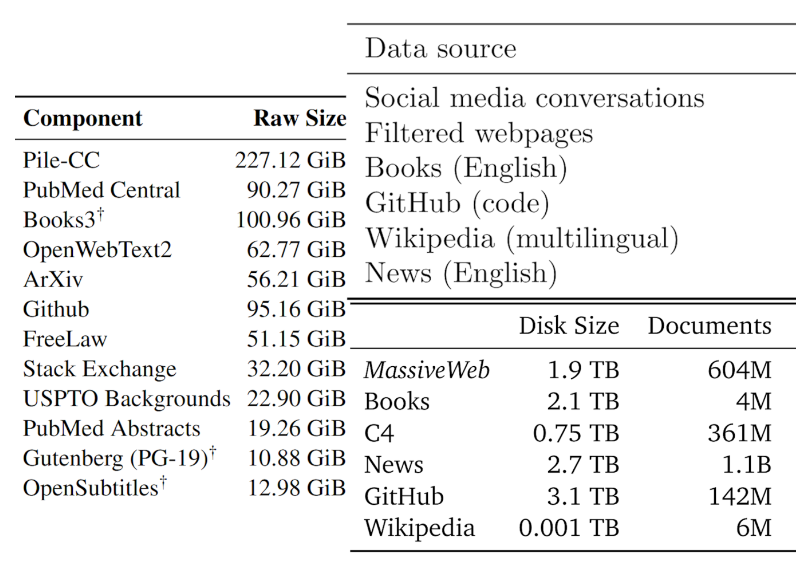
First is pre-training. In this stage, the model is fed an enormous amount of text data—essentially a significant portion of the internet, digital books, and other text sources. It learns by trying to predict the next word in a sentence or by filling in missing words. Through this process, which can take months and requires immense computing power, the model develops a general understanding of language, facts, reasoning abilities, and even some biases present in the training data.
Second is fine-tuning. After pre-training, the general model can be adapted for specific tasks. For example, it might be trained on a smaller, specialized dataset of customer service conversations to become a helpful chatbot, or on a dataset of code to become a programming assistant. This fine-tuning process refines the model's abilities for a particular application.
LLMs in the Wild
You've likely already interacted with LLMs, as they power a growing number of applications across various fields. Their ability to understand and generate text makes them incredibly versatile.
Content Creation: Writing articles, emails, and marketing copy. Summarization: Condensing long documents or articles into key points. Translation: Translating text between different languages. Chatbots and Virtual Assistants: Powering conversational AI for customer service and personal assistance. Code Generation: Writing and debugging computer code based on natural language descriptions.
As the technology continues to evolve, LLMs are being integrated into more complex systems, from scientific research to creative arts, changing how we access information and interact with technology.
Ready to check your understanding? Let's see what you've learned.
At its most fundamental level, what is the primary function of a Large Language Model (LLM)?
What key innovation, central to the transformer architecture, allows LLMs to effectively understand context in long sentences like, "The robot picked up the heavy metal block because it was strong"?
By understanding these fundamentals, you have a solid base for exploring the more advanced capabilities and societal impacts of Large Language Models.