Understanding Worldviews
Introduction to Worldviews
The Lens You See Through
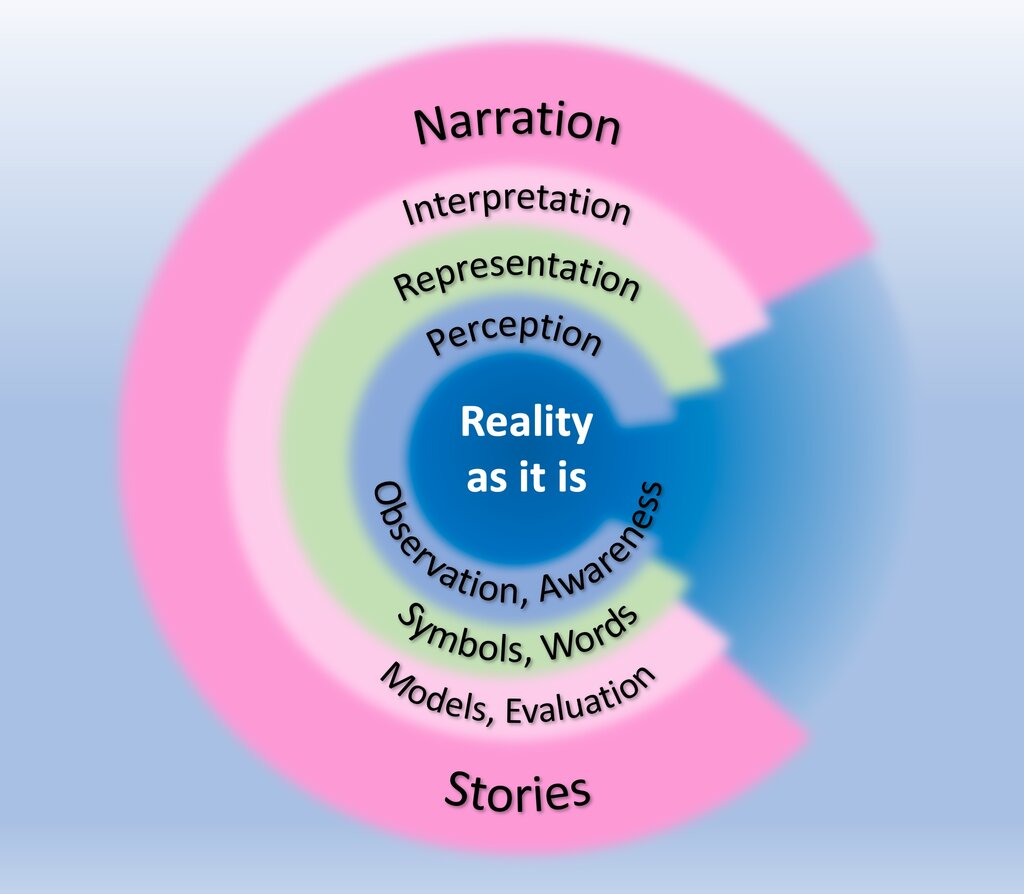
Everyone has a worldview. It's the mental model you use to make sense of everything. Think of it as a pair of glasses. The lenses determine how you interpret reality, what you value, and how you act. You might not even notice you're wearing them most of the time, but they color everything you see.
This fundamental orientation isn't just a collection of opinions. It’s a comprehensive framework of your most basic beliefs about the world. It answers the big questions, often without you consciously asking them: What is real? What is good? Who are we? Your worldview is the story you tell yourself about the way things are.
For example, two people can look at a forest. One, with a purely scientific worldview, might see a complex ecosystem of competing organisms and chemical processes. Another, with a spiritual worldview, might see a sacred space filled with living spirits. The forest is the same, but their understanding of it is completely different. Their worldviews shape their perceptions, thoughts, and even their emotional responses.
Where the Word Comes From
The term "worldview" is a direct translation of a German word.
world perception or world view
Coined by the philosopher Immanuel Kant in the late 1700s, Weltanschauung captures the idea of a comprehensive, intellectual grasp of the universe. It's more than just a point of view; it's an all-encompassing philosophy of life.
worldview
noun
A fundamental cognitive orientation of an individual or society encompassing the whole of their knowledge and point of view.
A Foundation for Action
Your worldview isn't just theoretical. It has practical consequences. It guides your decisions, shapes your behavior, and influences how you interact with others. It's the foundation upon which you build your life, your relationships, and your society.
Every decision we make, every value we hold, is rooted in the deep, often unexamined, assumptions of our worldview.
Understanding the concept of a worldview is crucial because it helps us recognize why people think and act so differently. When you encounter someone with different beliefs, you're not just seeing a different opinion, but a glimpse into an entirely different way of interpreting reality. It’s the first step toward understanding the diverse perspectives that make up our world.
Now, let's test your understanding of these core ideas.
According to the text, which of the following is the best analogy for a worldview?
The term "worldview" is a direct translation of the German word Weltanschauung, which was coined by which philosopher?