Understanding World Geopolitics
Introduction to Geopolitics
What is Geopolitics?
Why do some countries have more power than others? Why do nations go to war over a small strip of land? Geopolitics offers a way to answer these questions by looking at the relationship between geography, power, and international relations. At its core, it’s the study of how a country's physical features, location, climate, and resources affect its foreign policy and its relationships with other countries.
Geopolitics
noun
The study of the effects of geography (human and physical) on politics and international relations.
It’s not just about maps and mountains. Geopolitics considers how a nation's position on the globe shapes its destiny. Does it have access to the sea? Is it surrounded by powerful neighbors? Does it sit on valuable oil reserves? These factors create opportunities and constraints that leaders must navigate. Think of the world as a grand chessboard, where geography sets the rules of the game.
Geography's Grip on Power
Certain geographical features have always been sources of immense power. Access to a warm-water port, for instance, allows a country's navy and commercial ships to operate year-round, boosting trade and military might. Russia's centuries-long quest for such ports is a classic example of geography driving foreign policy.
Likewise, controlling strategic "chokepoints" gives a nation influence over global trade. These are narrow passages, like the Strait of Hormuz or the Panama Canal, through which a huge volume of global commerce must pass. Control over these points means control over the flow of goods and energy.
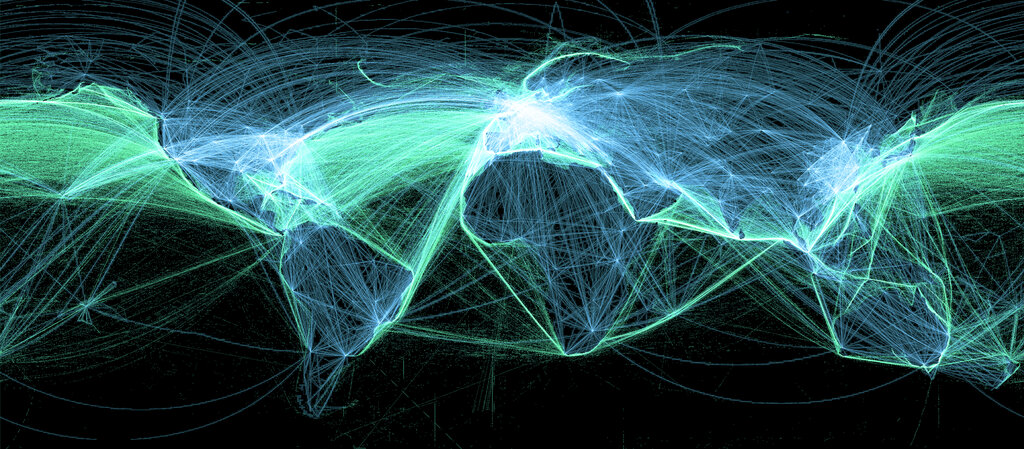
Natural resources are another key piece of the puzzle. A country with abundant oil, gas, or rare earth minerals has a powerful bargaining chip in international affairs. This resource wealth can fund powerful militaries, influence other nations, and fuel economic growth. Conversely, a lack of essential resources can make a country vulnerable and dependent on others.
A nation's fate is often written in its geography. Mountains can provide natural defenses, while open plains might invite invasion. Rivers can facilitate trade or serve as contentious borders.
Lenses for Viewing the World
To make sense of these dynamics, we can use different theoretical frameworks. Two of the most foundational are realism and functionalism. They offer competing visions of how the world works.
Geopolitics should be recognised as what it is: an attempt to understand the world by people and countries that believe they are losing out.
Realism paints a picture of a competitive world. It argues that states are the most important actors, and they are driven by a desire to survive and maximize their power. In this view, international relations are a constant struggle for dominance. Realists believe that a country's primary responsibility is its own security, and military strength is the ultimate guarantor of that security. Cooperation happens, but only when it serves a state's self-interest.
Functionalism offers a more optimistic perspective. It suggests that countries can and should cooperate to solve shared problems. Functionalists argue that by working together on specific, often technical, issues—like managing postal services, ensuring airline safety, or fighting pandemics—states build trust and create a web of interdependence. This practical cooperation, they believe, can
| Feature | Realism | Functionalism |
|---|---|---|
| Primary Actor | The State | States & organizations |
| Main Goal | Power and security | Peace and shared welfare |
| Worldview | Competitive, conflict-prone | Cooperative, interdependent |
| Human Nature | Self-interested, power-seeking | Collaborative, problem-solving |
| Key Tool | Military force | Cooperation on specific functions |
These theories aren't mutually exclusive. Most real-world situations have elements of both. A country might compete fiercely for military dominance in one region while cooperating closely on trade and environmental issues in another. These frameworks are simply tools—lenses that help us focus on different aspects of the complex dance of global politics.
What is the core focus of geopolitics?
Why is controlling a strategic "chokepoint" like the Panama Canal or the Strait of Hormuz considered a major geopolitical advantage?
Geopolitics provides a powerful lens for understanding why the world is the way it is. By appreciating the deep connections between the land and the state, we can begin to see the invisible forces that shape history and current events.