Understanding Workflows
Introduction to Workflows
What Is a Workflow?
Think about the steps for making your morning coffee. You grab a filter, add coffee grounds, pour in water, and press a button. You follow this same sequence every day to get a consistent result: a good cup of coffee. That reliable sequence is a workflow.
At its core, a workflow is simply a series of steps to accomplish a task. It's a repeatable pattern of activity that takes an input, does something to it, and produces an output. This could be anything from processing a customer refund to launching a satellite into orbit.
Workflow
noun
An orchestrated and repeatable pattern of activity, enabled by the systematic organization of resources into processes that transform materials, provide services, or process information.
Workflows provide a map for getting work done, ensuring that the right things happen in the right order.
The Purpose of a Workflow
Why formalize these steps? The main goal is to make processes better. When a process is mapped out, you can see where it's inefficient or where mistakes happen. This leads to several key benefits:
- Efficiency: Workflows streamline tasks by eliminating unnecessary steps and automating repetitive ones. This saves time, money, and effort.
- Consistency: By following the same steps every time, you get a predictable outcome. A cheeseburger from a fast-food chain tastes the same in Ohio as it does in Oregon because they use the same workflow.
- Clarity: Everyone on a team knows exactly what they need to do, who is responsible for the next step, and how their work fits into the bigger picture. This reduces errors and improves collaboration.
Imagine an online store processing an order. A well-defined workflow ensures the payment is processed, the warehouse is notified to pack the item, a shipping label is created, and the customer receives a tracking number. Without that defined process, chaos would take over.
Workflows automate either specific parts of or an entire business process to increase productivity and eliminate repetitive tasks.
From Assembly Lines to Algorithms
The idea of a workflow isn't new. Early forms emerged during the Industrial Revolution. In the early 20th century, Henry Ford perfected the physical workflow with the moving assembly line for manufacturing cars. Each worker had a specific, repeatable task, which dramatically increased efficiency.
Around the same time, thinkers like Frederick Taylor introduced "scientific management," which focused on analyzing and optimizing how work was performed. This laid the intellectual groundwork for modern process improvement.
As computers entered the workplace, workflows moved from the factory floor to the office. They became the basis for business process management (BPM), using software to map, automate, and analyze business operations. Today, the concept is everywhere.
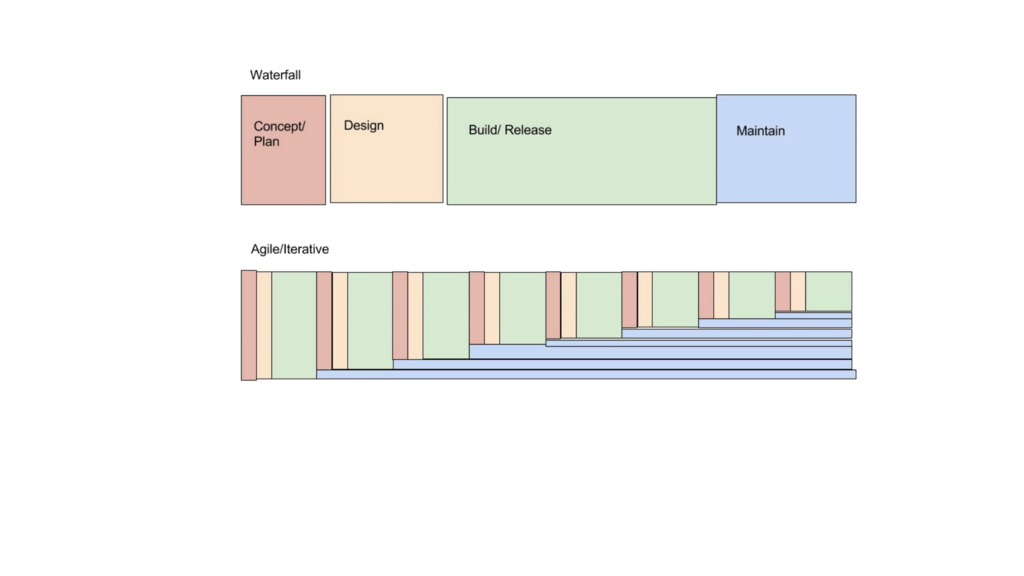
In software development, workflows dictate how code is written, tested, and deployed. In digital marketing, they automate email campaigns based on user behavior. Data scientists use them to create pipelines that clean, process, and analyze data. The tools have changed, but the fundamental principle of creating an orderly path from start to finish remains the same.
At its most fundamental level, what is a workflow?
What historical development is cited as a key precursor to modern workflow concepts?
From making coffee to building software, workflows are the invisible structure that helps us get things done efficiently and reliably.