Understanding Wilms Tumor
Introduction to Wilms' Tumor
A Childhood Kidney Cancer
Wilms' tumor is a rare kidney cancer that primarily affects children. It’s also known as nephroblastoma. While the name sounds complicated, the idea is straightforward: it’s a solid tumor made of abnormal, immature kidney cells.
Nephroblastoma
noun
A malignant tumor of the kidney that occurs in young children.
Though it's the most common type of kidney cancer in children, Wilms' tumor is still quite rare overall. In the United States, only about 500 to 600 new cases are found each year. Most of these diagnoses occur in children between the ages of 3 and 4. It becomes much less common after age 5 and is very rare in adults.
The average age of diagnosis for a Wilms' tumor is about 3 and a half years old.
The Role of the Kidneys
To understand how a Wilms' tumor develops, it helps to know a little about the kidneys. Most people have two of these bean-shaped organs, each about the size of a fist. They sit on either side of the spine, just below the rib cage.
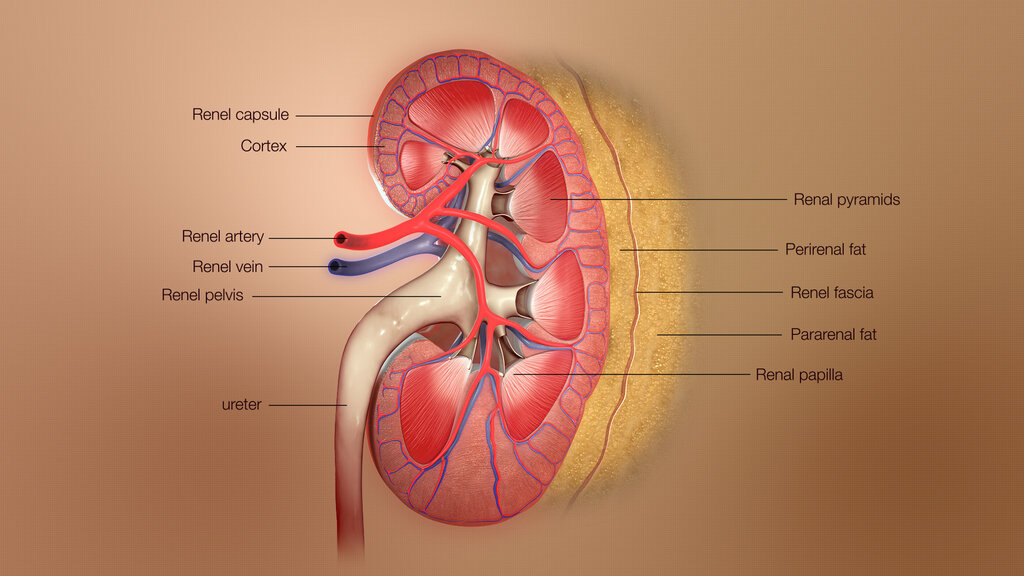
The kidneys are powerful filters. Your blood constantly circulates through them, and they work to remove waste products and excess water. This waste becomes urine, which then travels to the bladder to be removed from the body. This filtering process is vital for maintaining a healthy balance of water, salts, and minerals in your blood.
A Wilms' tumor starts as a mass of cancerous cells within one (or, rarely, both) of these vital organs. The tumor arises from embryonic cells that, for reasons not fully understood, failed to develop into mature kidney tissue. Instead, they continue to divide and grow, forming a tumor.
A Pediatric Oncology Success Story
Despite being a form of cancer, Wilms' tumor is often highlighted as a major success story in pediatric oncology. Over the past few decades, advancements in understanding and treating this disease have dramatically improved outcomes for children.
The study of Wilms' tumor has paved the way for collaborative research. Doctors and scientists from around the world have worked together in large clinical trials to find the most effective and least toxic treatments. This cooperative approach has become a model for studying other childhood cancers.
The organized, multi-institutional study of Wilms' tumor has led to cure rates that are now among the highest for all childhood cancers.
Because of this focused effort, the prognosis for children with Wilms' tumor is generally very good. It stands as a powerful example of how coordinated medical research can lead to remarkable progress against a serious disease.
What is another name for Wilms' tumor?
Wilms' tumor is most commonly diagnosed in which age group?