Understanding Weather Patterns
Atmospheric Composition
What’s in the Air?
If you take a deep breath, what are you breathing in? Most people would say oxygen, and they'd be right. But oxygen is only a small part of the story. The air around us, Earth's atmosphere, is a complex mixture of many different gases and particles. Think of it like a giant, invisible soup that surrounds our planet.
The two most common ingredients in this soup are nitrogen and oxygen. They make up about 99% of the air we breathe. Nitrogen, the most abundant gas, is essential for plant life. Oxygen, as we know, is crucial for most animal life, including us.
| Gas | Formula | Percentage by Volume |
|---|---|---|
| Nitrogen | N₂ | 78.08% |
| Oxygen | O₂ | 20.95% |
| Argon | Ar | 0.93% |
| Carbon Dioxide | CO₂ | 0.04% |
| Others | - | < 0.01% |
Argon is the third most common gas, but it's an inert gas, meaning it doesn't react much with other elements. The remaining sliver of the atmosphere is filled with a variety of other gases in tiny amounts.
Trace Gases and Tiny Particles
The gases that make up less than 1% of the atmosphere are called trace gases. While their concentrations are small, their impact can be enormous. These include neon, helium, methane, and krypton. One of the most important trace gases is carbon dioxide (CO₂). Plants use it for photosynthesis, and it plays a major role in regulating Earth's temperature.
But the atmosphere isn't just made of gas. It's also filled with tiny solid and liquid particles called aerosols. These aren't just the sprays that come from a can. Atmospheric aerosols include things like dust, pollen, sea salt, smoke from fires, and volcanic ash. They are so small and light that they can float in the air for long periods.
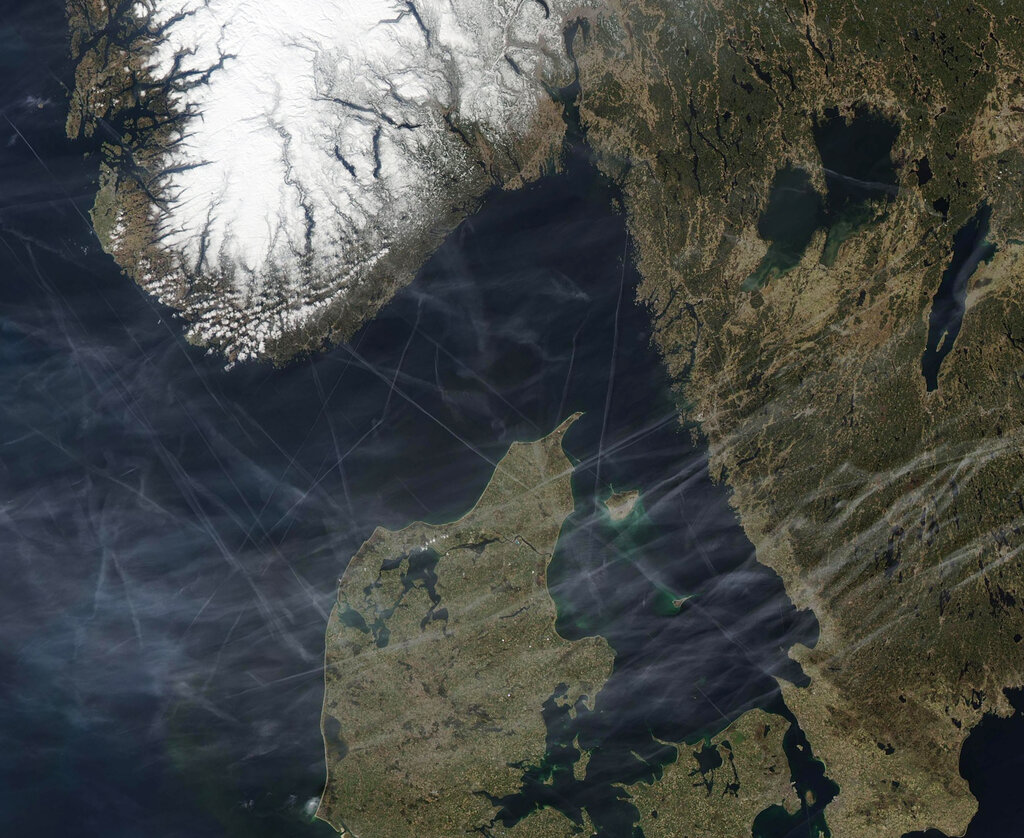
These particles are incredibly important. They act as tiny seeds for cloud formation. Water vapor, which is just water in gas form, needs something to condense onto to form a cloud droplet. Without aerosols, our skies would look very different, and we'd have far less rain.
Earth's Natural Blanket
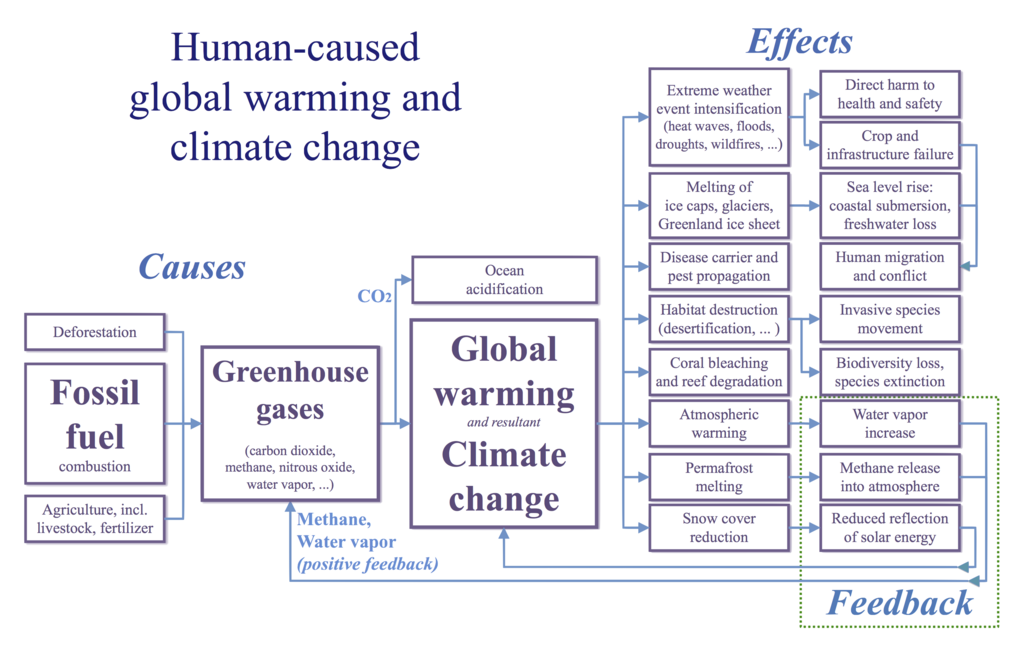
Some gases in the atmosphere act like a blanket, trapping heat and keeping our planet warm enough for life to thrive. These are known as greenhouse gases. The most significant ones are water vapor (H₂O), carbon dioxide (CO₂), methane (CH₄), and nitrous oxide (N₂O).
This process is called the greenhouse effect. Sunlight passes through the atmosphere and warms the Earth's surface. The Earth then radiates some of this heat back towards space. Greenhouse gases absorb some of this outgoing heat, preventing it from escaping. It's similar to how the glass of a greenhouse traps heat inside, keeping the plants warm.
Without the natural greenhouse effect, Earth's average temperature would be around -18°C (0°F), instead of the current comfortable 15°C (59°F).
While this effect is natural and necessary for life, human activities, such as burning fossil fuels, have significantly increased the concentration of greenhouse gases, particularly carbon dioxide. This enhances the greenhouse effect, leading to a rise in global temperatures, a phenomenon known as global warming.
Understanding the mix of gases and particles in our atmosphere is the first step to understanding everything else about it, from the weather we experience daily to the long-term climate of our planet.
What are the two most abundant gases in Earth's atmosphere, making up about 99% of the air we breathe?
Tiny solid and liquid particles like dust, sea salt, and pollen that float in the air are collectively known as: