Understanding Viruses A Beginner's Guide
Introduction to Viruses
What Are Viruses?
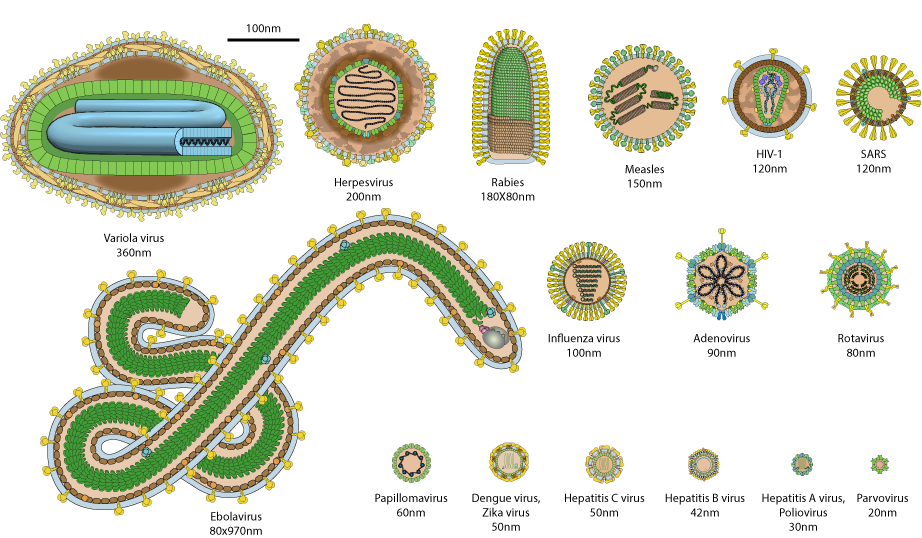
Viruses are tiny infectious agents, far smaller than bacteria or the cells in your body. They are essentially microscopic packages of genetic material, either DNA or RNA, wrapped in a protein shell. You can find them almost everywhere on Earth, infecting all types of life, from animals and plants to fungi and even bacteria.
Viruses are obligate intracellular parasites composed of DNA or RNA encased in a protein coat, capable of infecting all life forms.
The term "obligate intracellular parasite" is key. It means viruses cannot reproduce on their own. They are completely dependent on the cells of other organisms to make copies of themselves. A virus must invade a living cell and hijack its machinery to replicate.
Living or Not?
One of the most fascinating questions in biology is whether viruses are alive. They seem to straddle the line between living organisms and non-living chemicals. On one hand, they possess genes, evolve through natural selection, and create copies of themselves. These are all hallmarks of life.
On the other hand, they have no cells, which are the basic building blocks of all other known life forms. Outside of a host cell, a virus is inert. It has no metabolism, cannot produce energy, and can't perform any of the functions we associate with life. It's more like a chemical waiting for the right conditions to become active.
acellular
adjective
Not consisting of, divided into, or containing cells.
Think of a virus as a blueprint without a factory. It has the instructions to build more viruses, but it needs to take over a host cell's factory to get the job done.
Viruses vs. Bacteria
People often confuse viruses with bacteria, but they are fundamentally different. Bacteria are single-celled organisms that are fully alive. They can eat, grow, and reproduce independently. Viruses are much smaller and simpler, consisting of little more than genetic material and a protein coat.
This difference is crucial when it comes to treatment. Antibiotics, which are effective against bacterial infections, have no effect on viruses. Viral infections require different medicines called antivirals.
| Feature | Virus | Bacteria |
|---|---|---|
| Structure | Acellular (no cell) | Cellular (single cell) |
| Size | Much smaller (nanometers) | Larger (micrometers) |
| Reproduction | Needs a host cell to replicate | Reproduces independently |
| Living? | Debated; inert outside a host | Yes, a living organism |
| Treatment | Antivirals | Antibiotics |
The Role of Viruses in Disease
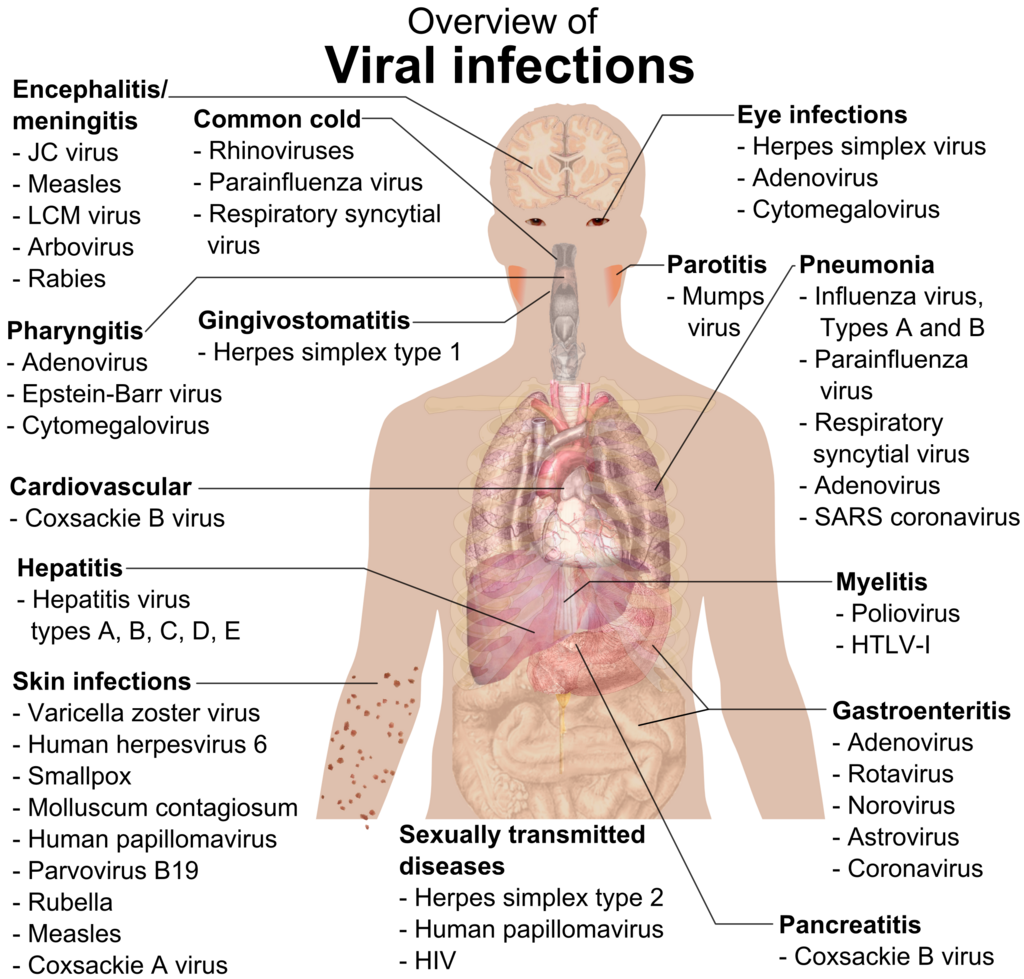
Viruses are most famous for being pathogens, meaning they cause disease. From the common cold and influenza to more serious illnesses, viruses are responsible for a wide range of human ailments. They do this by invading our cells, replicating, and often destroying the host cells in the process. This cellular damage is what leads to the symptoms of a viral infection.
Viruses don't just infect humans. They can cause diseases in plants, leading to crop failure, and in animals, impacting both wildlife and livestock. Every living thing is a potential target for a virus.
However, not all viruses are harmful. Some viruses infect and kill bacteria, and researchers are exploring how to use them to fight antibiotic-resistant infections. This field, known as phage therapy, shows that the world of viruses is more complex than just disease and decay. They are a fundamental part of our planet's ecosystems.
Now, let's review what we've learned about these tiny but powerful agents.
What are the two essential components that make up a virus?
The term "obligate intracellular parasite" means that a virus must:
Understanding the basic nature of viruses is the first step in appreciating their immense impact on life and the environment.