Understanding Virus Payload Creation
Introduction to Malware
What is Malware?
Malware is short for “malicious software.” It’s any software intentionally designed to cause damage to a computer, server, client, or computer network. Think of it as a digital trespasser that can steal your information, slow down your device, or even hold your files hostage.
What is Malware Analysis? Malware Analysis is the study or process of determining the functionality, origin and potential impact of a given malware sample and extracting as much information from it.
Understanding malware isn't just about knowing the enemy. It's about figuring out how they operate so you can build stronger defenses. There are many different kinds, each with its own method of attack.
The Rogues' Gallery
Malware comes in many forms. While they often have overlapping features, knowing the main categories helps in identifying and combating them.
Virus
noun
A piece of code that inserts itself into a program and spreads from one computer to another, leaving infections as it travels.
A virus needs a host program to run. When the host program is executed, the virus code is also executed. It cannot spread without human action, like running an infected program.
Worm
noun
A standalone piece of malicious software that replicates itself to spread to other computers.
Unlike a virus, a worm doesn't need to attach itself to an existing program. It often uses a computer network to spread, relying on security failures on the target computer to access it.
Trojan
noun
Malware that misleads users of its true intent. It's disguised as or embedded within legitimate software.
The term comes from the ancient Greek story of the Trojan Horse. The user is tricked into executing it, which then can create a backdoor for an attacker, steal data, or install other malware.
Ransomware
noun
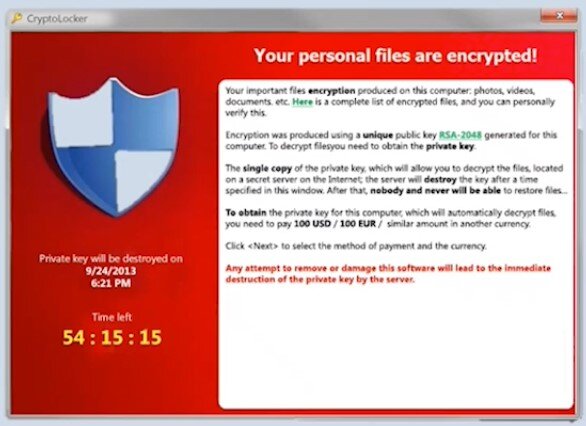
A type of malware that threatens to publish the victim's data or perpetually block access to it unless a ransom is paid.
This is one of the most visible and damaging forms of malware. It encrypts files on a device, making them unusable, and then demands a payment (usually in cryptocurrency) for the decryption key.
Spyware
noun
Malware that secretly observes the user's computer activities without permission and reports it to the software's author.
Spyware's goal is to stay hidden while it collects information. This can include login credentials, credit card numbers, browsing habits, or any other sensitive data.
A Case Study in Chaos
Malware has been around almost as long as computers have. Early viruses in the 1980s were often created as pranks or experiments. But as the internet grew, so did the potential for widespread damage and financial gain. One of the most infamous examples is the Conficker worm.
First detected in 2008, Conficker spread rapidly by exploiting a vulnerability in the Windows operating system. It infected millions of computers in over 190 countries, creating a massive botnet—a network of private computers infected with malicious software and controlled as a group without the owners' knowledge.
Conficker was a master of self-defense. It used advanced techniques to block access to antivirus websites and prevent its own removal, making it incredibly difficult to fight.
The worm's creators could have used this botnet to send spam, steal financial data, or launch devastating attacks. While its ultimate purpose was never fully clear, Conficker served as a wake-up call. It demonstrated how quickly a single piece of malware could create a global threat, forcing security experts from different companies and countries to collaborate on a massive scale to contain it.
Behind the Code
Why would someone create malware? The motivations vary, but they usually fall into a few key categories.
Financial Gain: This is the most common driver. Ransomware extorts money directly. Spyware and Trojans steal credit card details and banking credentials. Botnets can be rented out to other criminals to launch attacks or send spam.
Espionage: Governments and corporations use malware to spy on rivals. This type of attack aims to steal state secrets, intellectual property, or other confidential information. The goal isn't immediate cash, but a long-term strategic advantage.
Disruption and Activism: Sometimes, the goal is simply to cause chaos or make a political statement. This can range from defacing websites to shutting down critical infrastructure. This is often called "hacktivism."
Regardless of the motive, the impact can be severe. For individuals, it can mean identity theft and financial loss. For organizations, a malware attack can lead to data breaches, operational shutdowns, and a loss of customer trust that can take years to rebuild.
Ready to check your understanding?
Which type of malware is named after a story from ancient Greek mythology and deceives users into running it?
What is the primary difference between a computer virus and a worm?
Understanding the different types of malware and the motivations behind them is the first step in building a strong cybersecurity mindset. By recognizing the threats, you can better prepare your defenses.