Understanding Vibes
Origins of 'Vibes'
Where Good Vibes Come From
The word "vibe" feels modern, something you'd text a friend or see in a social media bio. But its roots go back decades. It’s a shortened form of "vibrations," a term that took on new life in the 1960s.
Vibe
noun
A slang term, short for 'vibration,' used to describe the distinctive emotional atmosphere of a place, situation, or person, as intuitively felt by others.
The idea wasn't just about physical vibrations, like the shaking of an instrument. It was about metaphorical ones. People began using "vibrations" to describe an intuitive, gut feeling about a person or a place. If someone gave you a strange feeling, you might say they gave you "bad vibrations." This slang emerged from the counterculture movements in the United States, where there was a strong emphasis on spiritualism, intuition, and non-verbal communication.
Music and Mood
The music scene of the 1960s was a perfect breeding ground for the term. Music is, quite literally, vibrations traveling through the air. Artists and audiences alike were exploring new sounds and states of consciousness. The word "vibrations" neatly captured both the physical reality of sound waves and the emotional atmosphere of a concert or a song.
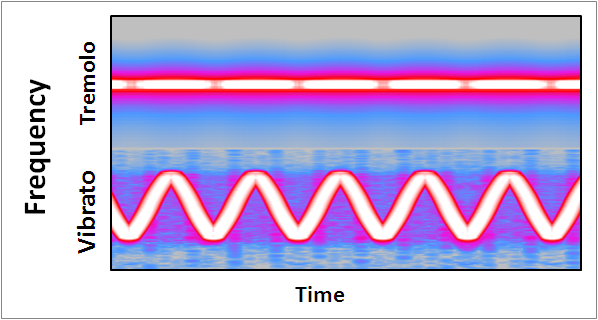
A prime example is The Beach Boys' 1966 hit, "Good Vibrations." The song's lyrics talk about picking up on emotional excitations from a woman, using the term to describe a kind of psychic connection. This song helped launch the word into the mainstream vocabulary. It was no longer just a niche term; it was a pop culture phenomenon.
From there, "vibes" evolved to describe the collective mood of a group or the ambiance of a place. A party could have good vibes, a quiet library could have studious vibes. The word became a simple way to express a complex emotional reading of a situation, relying on feeling rather than explicit analysis. It encapsulated a shared, unspoken understanding of the emotional energy in the air.
The word "vibe" is a shortened form of what word?
According to the text, what cultural movement was instrumental in the popularization of the term "vibrations"?