Understanding Vibe Coding
Introduction to Vibe Coding
What Is Vibe Coding?
Instead of writing a program line by line, what if you could just describe what you want it to do? That's the core idea behind vibe coding. It’s a way of creating software by talking to an AI, much like you'd give directions to a person.
Vibe Coding (VC) is a form of software development assisted by generative AI, in which developers describe the intended functionality or logic via natural language prompts, and the AI system generates the corresponding source code.
The term was coined by AI researcher Andrej Karpathy in early 2025 to describe this new, conversational approach to programming. At its heart, vibe coding uses powerful Large Language Models (LLMs) to translate human language into functional code. The developer's job shifts from being a meticulous writer of code to being a director, guiding the AI toward the desired result.
From Writing to Directing
Traditional programming requires knowing a specific language's syntax and logic inside and out. You build the program piece by piece, like constructing a house brick by brick. Every detail must be perfect for it to work.
Vibe coding is more like describing your dream house to an architect who then draws up the blueprints. You provide the vision, and the AI handles the technical details of generating the code. You then review the result, test it, and ask for changes. This cycle of prompting, generating, and refining is what makes vibe coding so different.
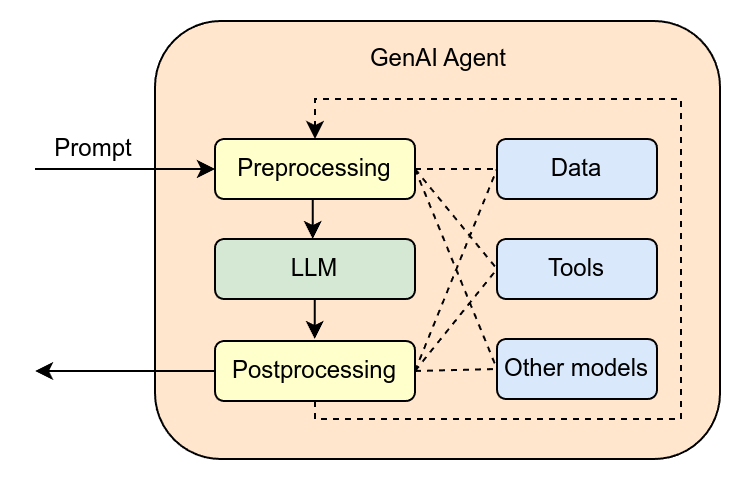
This process makes programming much more accessible. Someone with a great idea but little coding experience can now bring their vision to life. For experienced developers, it can drastically speed up prototyping and handle repetitive coding tasks, freeing them up to focus on more complex problems.
The Downsides
While vibe coding opens up exciting possibilities, it also comes with significant risks. One major concern is code quality. An LLM might generate code that works but is inefficient, difficult to maintain, or hard for other humans to understand.
Imagine the AI builds a house that looks great, but the plumbing is a tangled mess. It works for now, but fixing a leak later will be a nightmare. This is a common problem with AI-generated code; it can be difficult to debug or modify down the line.
Security is another critical issue. The AI might accidentally introduce vulnerabilities that a human programmer wouldn't, simply because it doesn't truly understand the context of the code it's writing. A developer who doesn't review the code carefully might ship a product with serious security flaws.
This highlights the fundamental trade-off of vibe coding. It lowers the barrier to creating software, but it also removes the deep, line-by-line understanding that helps ensure a program is robust, secure, and maintainable. The 'vibe' might be right, but the execution could be flawed in hidden ways.
Time for a quick check-in. Let's see what you've learned.
What is the core concept of "vibe coding"?
The article compares traditional programming to building a house brick by brick. What is the analogous comparison for vibe coding?
Vibe coding represents a major shift in how we think about software development, turning it from a purely technical skill into a more creative and directive process. Like any powerful new tool, its value will depend on how thoughtfully we use it.