Understanding Valuation
Introduction to Valuation
What Is a Business Worth?
It seems like a simple question, but the answer is complex. Valuation is the process of determining the economic worth of a business or an asset. It’s a crucial skill in finance, helping investors, executives, and entrepreneurs make informed decisions.
Think of it this way: the price of a stock you see on a screen is just what someone is willing to pay for it at that exact moment. Its value, however, is its true, underlying worth. The goal of valuation is to estimate that intrinsic value. Is the stock a bargain, or is it overpriced?
Valuation is where numbers meet narrative.
This is a great way to think about it. The “numbers” are a company's financial statements—its revenues, profits, and assets. But the “narrative” is the story about its future. A good valuation combines cold, hard data with a compelling story about a company's potential for growth, its competitive advantages, and the industry it operates in.
Why Valuation Matters
Valuation isn't just an academic exercise; it has real-world consequences across the financial landscape.
For investors, it's fundamental. Before buying shares in a company, you need an opinion on what it's worth. This helps you avoid paying too much for a popular stock or spot a hidden gem that the market has overlooked. It provides a rational basis for your investment choices, moving beyond hype and speculation.
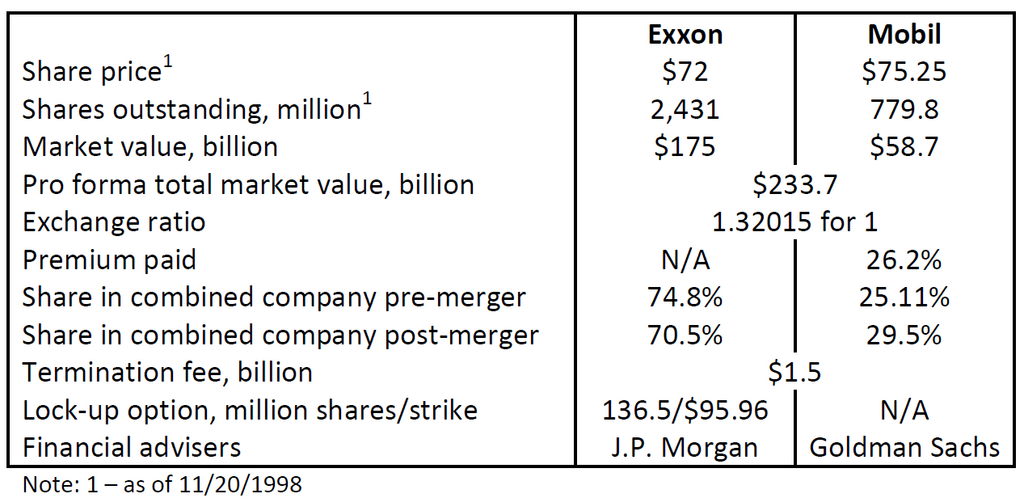
In mergers and acquisitions (M&A), valuation is the centerpiece of the negotiation. When one company wants to buy another, how do they agree on a price? Both sides perform detailed valuations to support their case. The buyer wants to ensure they're not overpaying, while the seller wants to get the highest price possible.
Companies also use valuation for internal corporate finance. When a business is considering a major new project, raising money, or even planning for the future, understanding its own value is essential for making sound strategic decisions.
The Core Principles
While there are many methods to value a business, they all rest on a few fundamental principles. At its heart, valuation boils down to two key factors: future earnings and risk.
A business is worth the cash it will generate in the future.
This is the essence of future earnings potential. A company's past performance is useful, but its value truly comes from the profits it's expected to produce down the road. An investor isn't buying the past; they're buying a claim on future cash flows. Forecasting these earnings is a central part of any valuation.
But the future is uncertain, which brings us to the second principle: risk assessment. Not all future earnings are created equal. A dollar of profit from a stable, well-established company is more certain—and therefore more valuable—than a dollar of profit from a volatile startup. Analysts must assess all the risks that could prevent a company from achieving its projected earnings. These can include competition, changing technology, economic downturns, or poor management.
All underlying valuation is related to future cash flow and risk.
Essentially, the higher the expected future earnings, the higher the value. And the higher the risk, the lower the value. These two forces are constantly in tension, and a good valuation finds the right balance between them.
Let's check your understanding of these core concepts.
What is the primary goal of business valuation?
In the context of valuation, what is the key difference between a stock's 'price' and its 'value'?
Understanding these foundational ideas prepares you to explore the specific techniques analysts use to put a number on a company's worth.