Understanding US Government
Foundations of U.S. Government
A Rocky Start
After declaring independence, the newly formed United States needed a government. The first attempt was the Articles of Confederation, ratified in 1781. It established a "firm league of friendship" among the states, but the central government it created was intentionally weak.
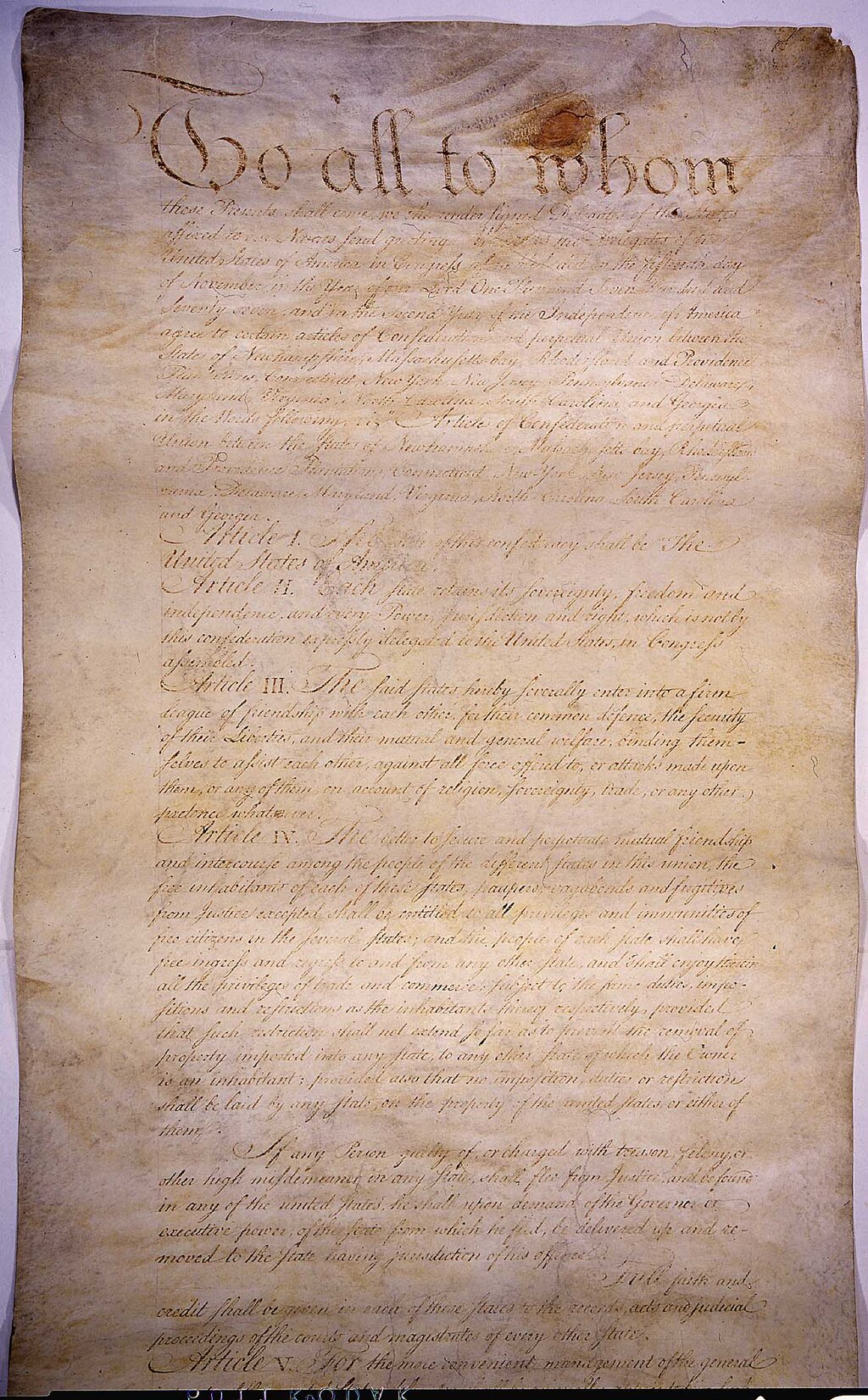
The states had just fought a war against a powerful king and were wary of creating another strong central authority. Under the Articles, the national Congress had little power. It couldn't tax, raise an army, or regulate trade effectively. Each state acted like its own small country, issuing its own money and often ignoring national laws.
It soon became clear this system wasn't working. The national government was broke, and disputes between states were spiraling out of control. The country was falling apart before it even truly began.
The core problem was a weak central government that couldn't unite the states or enforce laws.
Drafting a New Blueprint
In 1787, delegates from the states met in Philadelphia for the Constitutional Convention. Their official goal was to revise the Articles of Confederation. But many, like James Madison and Alexander Hamilton, knew a complete overhaul was needed.
Instead of tweaking the old system, they drafted an entirely new one: the United States Constitution. This document laid out a new framework for a stronger, more stable federal government.
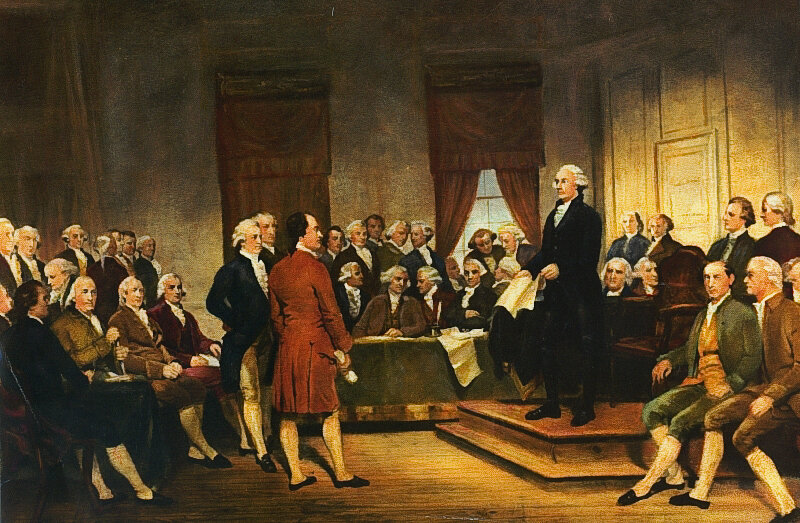
The Constitution wasn't just a set of rules. It was built on a series of powerful ideas about how a government should work. These principles aimed to create a government that was strong enough to be effective but not so strong that it would threaten the people's freedom.
The Six Big Ideas
Six core principles guided the creation of the Constitution, shaping the government we have today.
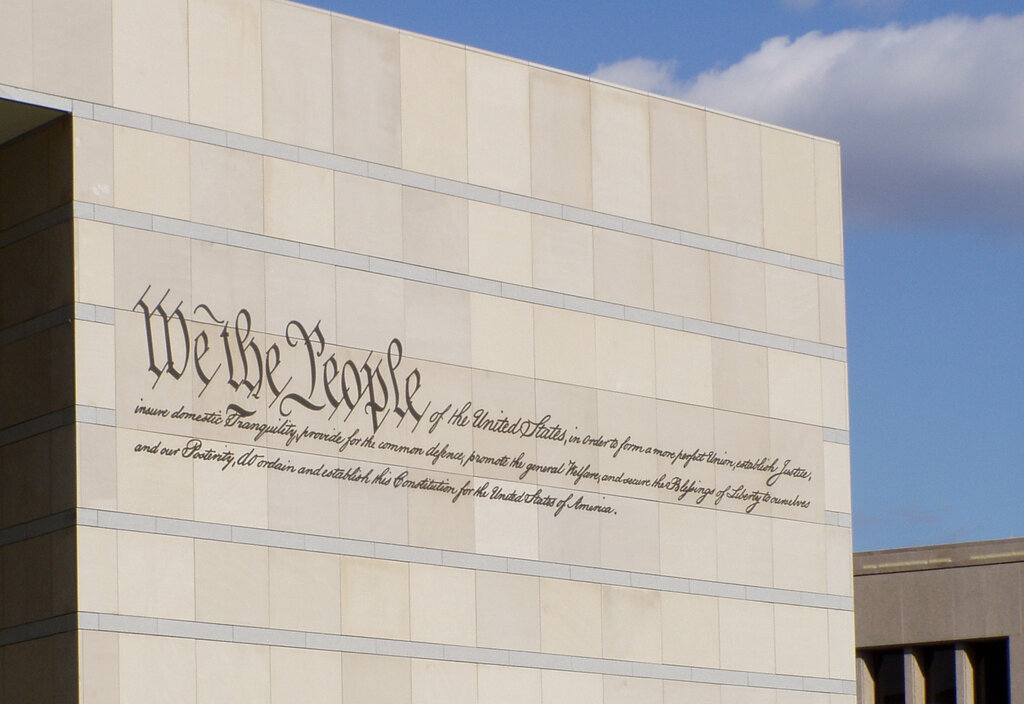
1. Popular Sovereignty The first three words of the Constitution are "We the People." This simple phrase establishes a revolutionary idea: the power of the government comes from its citizens. In this system, the people are the ultimate source of authority. They consent to be governed and can change the government if it fails to serve them.
2. Limited Government To prevent abuse of power, the Framers created a government with specific limits. The government can only do what the Constitution says it can do. This is the principle of limited government. The rule of law applies to everyone, including government officials. No one is above the law.
3. Separation of Powers Inspired by the philosopher Montesquieu, the Framers divided the federal government's power into three distinct branches: the Legislative (makes laws), the Executive (carries out laws), and the Judicial (interprets laws). This separation ensures that no single person or group can control all aspects of government.
4. Checks and Balances To further prevent any one branch from becoming too powerful, the Constitution includes a system of checks and balances. Each branch has powers that can limit, or "check," the powers of the other two. For example, the President can veto laws passed by Congress, but Congress can override the veto. The Supreme Court can declare laws unconstitutional. This system forces compromise and cooperation between the branches.
5. Federalism Federalism is the division of power between the national government and the state governments. Some powers belong only to the federal government (like declaring war), some belong only to the states (like running schools), and some are shared (like collecting taxes). This creates a partnership between the different levels of government, each with its own responsibilities.
6. Republicanism The United States is a republic, not a direct democracy. This means that citizens elect representatives to make laws and govern on their behalf. The principle of republicanism is based on the belief that people can entrust elected officials to represent their interests.
These six principles work together to create a government that is powerful enough to govern a large nation but is also accountable to the people and limited in its scope.
Why was the central government under the Articles of Confederation intentionally created to be weak?
The principle that the government's power comes from its citizens is known as ____.
These foundational ideas laid the groundwork for a system of government that has adapted and endured for over 200 years.