Understanding U.S. Aggregate Industries
Introduction to Aggregates
What Are Aggregates?
Think of aggregates as the essential, unsung ingredients in the recipe for our modern world. They are granular materials like sand, gravel, and crushed stone that form the literal foundation of our buildings, roads, and bridges. Without them, we wouldn't have concrete, asphalt, or even proper drainage for our cities.
aggregate
noun
A broad category of coarse- to medium-grained particulate material used in construction, including sand, gravel, crushed stone, slag, recycled concrete and geosynthetic aggregates.
Aggregates are generally sorted into two main categories based on their size:
| Type | Description | Examples |
|---|---|---|
| Coarse Aggregates | Particles that are generally larger than 4.75 millimeters (about 3/16 inch). | Gravel, crushed stone, recycled concrete |
| Fine Aggregates | Particles that are smaller than 4.75 millimeters. | Sand, crushed stone fines |
The mix of these types gives materials like concrete their strength and structure. The coarse aggregates form a strong skeleton, while the fine aggregates fill in the gaps between them.

Where Do They Come From?
Most aggregates are a product of nature's slow, powerful processes. Over millions of years, forces like wind, water, and ice break down massive rock formations. This process, called weathering and erosion, creates smaller particles. Rivers and glaciers then carry these particles downstream, tumbling and grinding them into the rounded stones of gravel and smooth grains of sand we see in riverbeds and on beaches.
These are known as natural aggregates. They are typically dredged or excavated from pits, riverbeds, or seabeds.
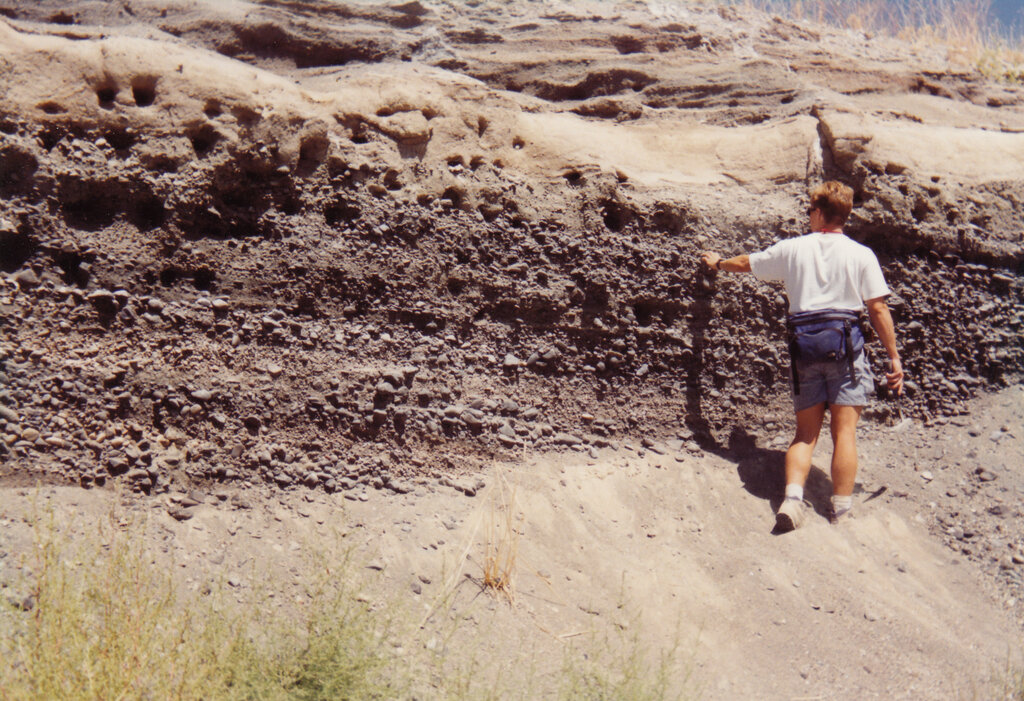
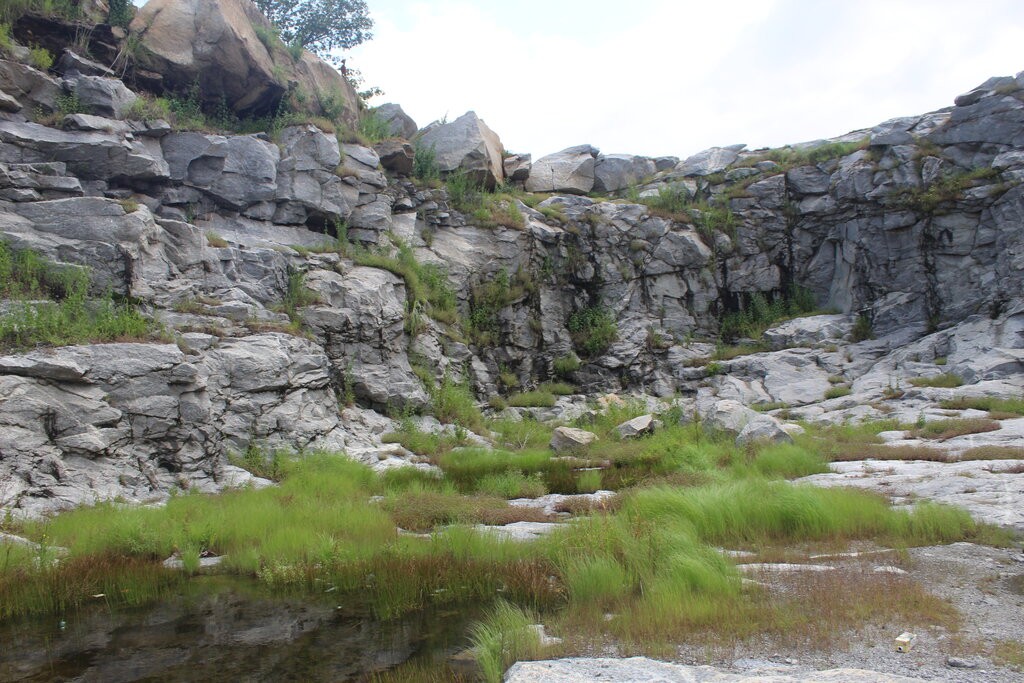
The other major source is manufactured aggregates. These are created by quarrying large rock formations and crushing them into specific sizes. This process allows for greater control over the shape and size of the final product, which is important for certain applications.
What Makes Them Useful?
Not all rocks are created equal. The usefulness of an aggregate depends on its specific physical and chemical properties. These traits determine how it will perform under the stress of traffic, the weight of a building, or the harshness of the weather.
The most important physical properties are strength, shape, and gradation. Strength, or durability, is the ability to resist being crushed or broken down. The shape and surface texture of the particles affect how they lock together. Angular, rough particles interlock better than smooth, rounded ones, creating a more stable base.
Gradation refers to the distribution of different particle sizes within a sample. A well-graded aggregate has a good mix of large, medium, and small particles. This allows the smaller particles to fill the voids between the larger ones, creating a dense, strong, and stable mass with very little empty space.
Chemically, aggregates must be stable and inert. This means they shouldn't react with the other components in a mixture, such as cement paste in concrete. Certain chemical reactions can cause the concrete to expand and crack over time, leading to structural failure. So, geologists and engineers carefully test the mineral composition of aggregates to ensure their long-term stability.
Building Blocks of Our World
Aggregates are everywhere, even if you don't see them. They are the primary ingredient, by volume, in concrete and asphalt, the two most used construction materials on the planet. A typical road is built on a thick base layer of compacted aggregates, which provides a stable foundation and helps with drainage.
In fact, aggregates typically make up about 60-75% of the volume of Portland cement concrete and about 95% of the volume of asphalt concrete.
Beyond roads and buildings, aggregates are critical for many other applications. They are used as railway ballast to support railroad ties, in foundations to provide stability, and in drainage systems like French drains to help manage water. They are also used in water filtration systems, where layers of sand and gravel help purify drinking water. From the foundation of a skyscraper to the asphalt on a highway, aggregates provide the strength and bulk that make modern infrastructure possible.
Ready to test your knowledge?
What is the primary role of aggregates in construction?
What is the main difference between natural and manufactured aggregates?
Understanding these basic materials is the first step in seeing how our entire built environment is constructed, from the ground up.