Understanding Unemployment An Economic Overview
Introduction to Unemployment
What It Means to Be Unemployed
Being unemployed isn't just about not having a job. It's a specific economic status with a clear definition. To be considered unemployed, a person must be jobless, available for work, and actively searching for a job. If you lose your job and spend the next month sending out resumes and going to interviews, you are unemployed.
This distinction is important. Someone who is not working and not looking for a job—like a retiree, a full-time student, or a stay-at-home parent—is not considered unemployed. They are simply not part of the active workforce.
The key is the active search. Simply wanting a job isn’t enough. You have to be taking concrete steps to find one, such as applying for positions, contacting employers, or using a job search service.
The Labor Force
To understand unemployment, we first need to understand the labor force. In economics, the labor force is the total number of people who are either employed or unemployed. It’s the pool of people available to produce goods and services.
Everyone else in the adult population is considered "not in the labor force." This group includes people who can't work or who choose not to for various reasons. For example, people who have retired, are in school, or have given up on their job search are not in the labor force.
Why Unemployment Matters
Unemployment is more than just a statistic; it's a key indicator of an economy's health. High unemployment suggests that the economy is not using one of its most important resources: its people. When people are out of work, they produce fewer goods and services, which can slow down economic growth.
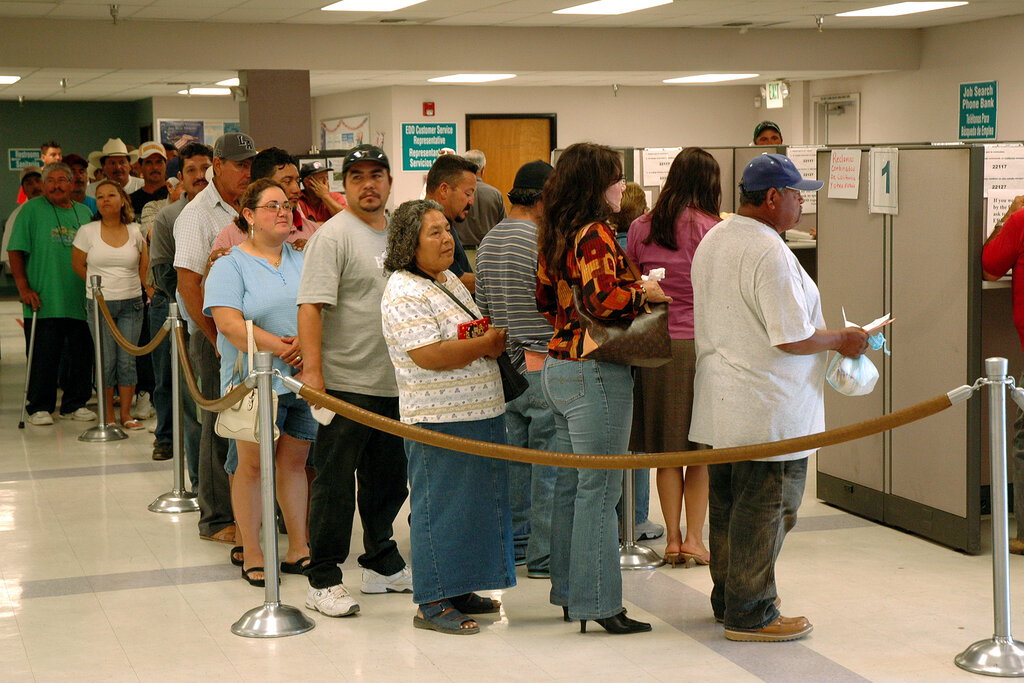
For individuals, unemployment can mean financial hardship and stress. It affects not only the person without a job but also their family and community. On a larger scale, widespread unemployment can lead to lower overall spending, as people have less money. This can create a ripple effect, causing businesses to struggle and potentially leading to more job losses.
Unemployment is a crucial economic issue that affects individuals, communities, and entire nations.
Because of its significant impact, governments and economists watch unemployment levels very closely. It helps them understand where the economy is heading and whether policies need to be adjusted to help create jobs.